
24/7 Customer Support

Free returns

Same-day & Next-day Delivery

Quality Guaranteed

Unlock Your Welcome Offers: FREE Delivery | Up to 80% OFF | Free 30-day JoyPlus trial
Download the APP
If you're looking to recreate the comforting warmth of a Japanese oden, the satisfying chew of a Korean hot pot or the vibrant spice of a Thai appetiser, you'll know that the right Asian fish cakes are essential. Yet, navigating the freezer aisle online can be confusing. Many UK home cooks find themselves disappointed with products that don't deliver the authentic texture or flavour promised on the packet.
As the Joybuy Product Recommendation Officer, my role is to help you see past the marketing and focus on what truly matters. Before you add anything to your basket, let's look at the common pitfalls that can lead to a lacklustre meal.
To ensure you get the right product for your dish, focus on these core characteristics.
The foundation of any fish cake is surimi, a paste made from fish. The quality and type of fish used (often pollock, threadfin bream or whiting) directly impact the final flavour and texture. While manufacturers aren't always required to list the exact percentage, products from established brands known for their seafood specialities are often a more reliable choice. A good surimi base is what gives kamaboko and chikuwa their signature springiness.
Understanding the regional differences is crucial for matching the fish cake to your recipe.
To help you choose, we've matched some popular options to the home cooks who will appreciate them most.
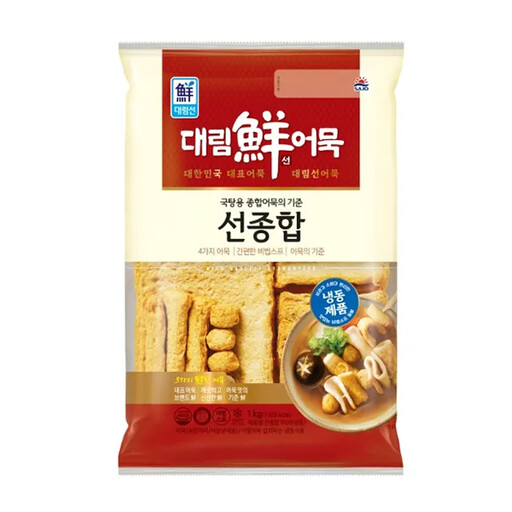
Why This Fits Their Persona: This large, 1kg assorted pack is ideal for anyone who regularly makes Korean dishes like tteokbokki (spicy rice cakes) or odeng-tang (fish cake soup). The variety of shapes adds great texture and visual interest to hot pots and soups.
It avoids the "one-type-fits-all" trap by providing an assortment of classic Korean fish cake shapes, each suited for absorbing broths and stews. This is specifically made for Korean cuisine.
Excellent value for frequent use. The variety of shapes in one pack means you're always ready for a spontaneous hot pot night.
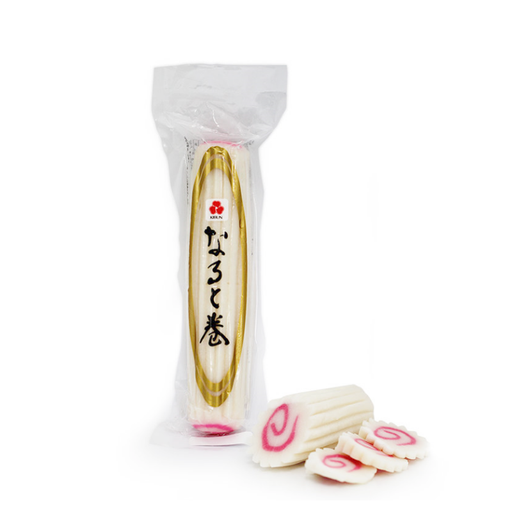
Why This Fits Their Persona: For the home cook dedicated to recreating a perfect bowl of ramen, this is a non-negotiable. The iconic pink swirl of narutomaki provides the visual signature of an authentic Japanese noodle soup.
This directly counters the "authentic flavour mirage" by being the specific, traditional product it claims to be. Its purpose is precise and it delivers the expected mild taste and appearance.
Provides instant visual authenticity to ramen and udon. Its mild flavour complements rich broths without overpowering them.
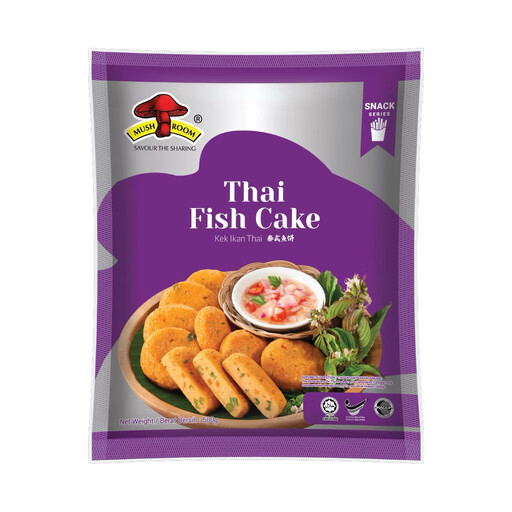
Why This Fits Their Persona: Perfect for someone who wants a quick, flavour-packed appetiser or a simple protein for a weeknight meal. These Thai fish cakes are pre-seasoned and ready to be pan-fried from frozen in minutes.
This sidesteps the bland, generic flavour trap. The ingredients list includes classic Thai aromatics like lemongrass and kaffir lime leaves, ensuring a bold and fragrant result, not just a fishy one.
Packed with authentic Thai herbs and spices for a complex flavour. Extremely convenient, cooking quickly from frozen for an easy appetiser.
We have compiled a complete, real-time list of products that fully satisfy these strict selection criteria and UK safety regulations.
Yes, most frozen fish cakes are designed to be cooked directly from frozen, which is a major convenience. For soups and hot pots, you can add them straight into the boiling broth. For pan-frying, you can also fry them from frozen, though it may take a minute or two longer to ensure they are heated through. Always check the cooking instructions on the package for specific guidance.
Once you open a pack of frozen fish cakes, it's important to prevent freezer burn. Transfer the remaining pieces to a resealable freezer bag or an airtight container, pressing out as much air as possible before sealing. Store them in the freezer at -18°C or below. For refrigerated types like fresh kamaboko, wrap them tightly in cling film or place them in an airtight container and consume within 2-3 days.
The primary differences are in preparation and flavour. Kamaboko is a type of steamed Japanese fish cake with a very smooth, fine texture and a mild, slightly sweet flavour. It's often served in soups or eaten as is. Eomuk, the Korean fish cake, is typically fried, giving it a slightly rougher, puffier texture and a more savoury, oily flavour. It's a robust ingredient ideal for hearty, spicy stews and soups.