
24/7 Customer Support

Free returns

Same-day & Next-day Delivery

Quality Guaranteed

Unlock Your Welcome Offers: FREE Delivery | Up to 80% OFF | Free 30-day JoyPlus trial
Download the APP
Asian fish cakes are convenient freezer ingredients for hot pots, noodle soups, stir-fries, bento meals and quick snacks. However, products that look similar on the shelf can differ considerably in fish content, texture, allergens, storage requirements and cooking methods.
For UK shoppers, the most common buying mistakes are usually not about flavour. They involve choosing a product without checking the label, buying a pack that does not suit the intended dish, or assuming that every fish cake is ready to eat.
Terms such as “seafood”, “cuttlefish” or “fish tofu” do not necessarily mean that the product has a high proportion of fish or shellfish. For example, fish tofu buns may contain fish paste alongside starch, oil, soya protein and seasonings. A cuttlefish product may also contain both fish and molluscs.
Check the ingredient list rather than relying on front-of-pack wording. Ingredients are listed in descending order by weight, so the position of fish or surimi gives a useful indication of the recipe.
Different Asian fish cakes are designed for different uses:
A firm chikuwa may hold its shape in a simmering broth, whereas a soft fish tofu bun may be more suitable for absorbing soup flavours.
Some products are pre-fried or steamed but still require thorough heating. Others may be ready to eat once thawed, while the packaging recommends reheating. Cooking instructions vary, so do not use the same method or timing for every pack.
For frozen fish cakes, keep the product at -18°C or below, avoid refreezing after thawing and follow the cooking guidance on the packaging. Where instructions specify a core temperature, use that as the priority rather than relying only on appearance.
Compare the stated fish or surimi percentage. Examples in this range include:
A higher fish percentage can indicate a different bite and flavour profile, but it does not automatically make a product suitable for every recipe. Starch, tofu, vegetables and soya skin also influence firmness and cooking performance.
Many Asian frozen food products contain more than fish. Depending on the variety, labels may list fish, molluscs, crustaceans, egg, soya, wheat, gluten, sesame or sulphites.
This is particularly important for:
Always check the current packaging before purchase and consumption, as formulations and manufacturing details can change.
A 120g or 160g pack can suit a small noodle meal, while 500g or 1kg packs are more practical for family hot pots or frequent cooking. Also consider freezer space and whether the product can be portioned before thawing.
Cooking times are often short: some fish tofu buns require around four to five minutes in boiling broth, while chikuwa may need three to four minutes. Fried fish cakes can take longer when simmered or pan-fried. Cut larger pieces in half if serving to young children, and ensure products are heated thoroughly where the label requires cooking.
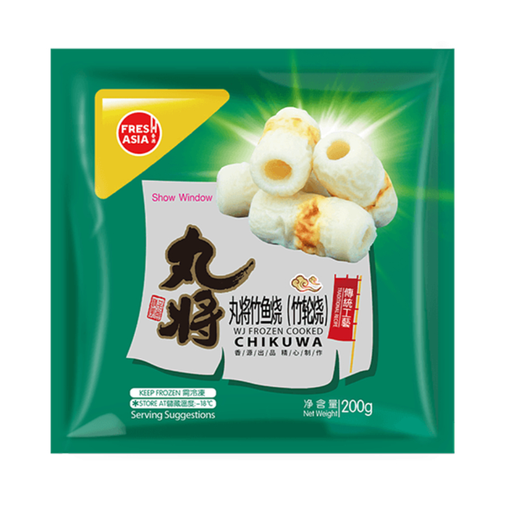
Why This Fits Their Persona: A manageable 200g pack for shoppers trying Japanese-style fish cakes in noodles, hot pot or quick stir-fries without committing to a larger family pack.
The product description identifies it as a tube-shaped fish cake with 44% surimi and provides separate timings for boiling, stir-frying and air frying.
200g pack; suitable for hot pot, noodles, stir-fries and air-fryer preparation.
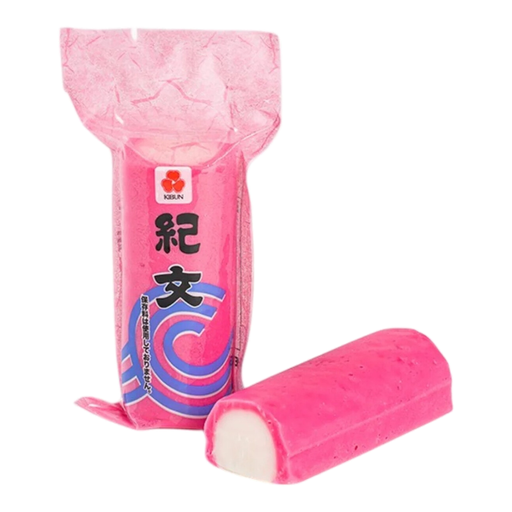
Why This Fits Their Persona: A compact steamed Japanese fish cake for shoppers who value a traditional presentation and a soft, springy texture for soups, bento or sliced toppings.
Its product information clearly identifies it as kamaboko rather than a fried variety, helping buyers choose the intended preparation and texture.
160g pack; steamed format with fish, soya and egg allergens clearly listed.
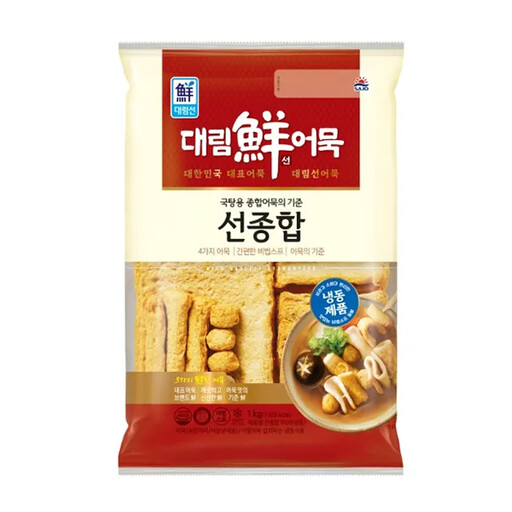
Why This Fits Their Persona: A 1kg assorted pack for regular hot pot cooking, Korean-style soups, meal preparation or households serving several people.
The assorted format makes the variety explicit, while the listing advises checking the pack for the complete batch-specific ingredient information.
1kg quantity; assorted shapes for soups, stir-fries and snacks.
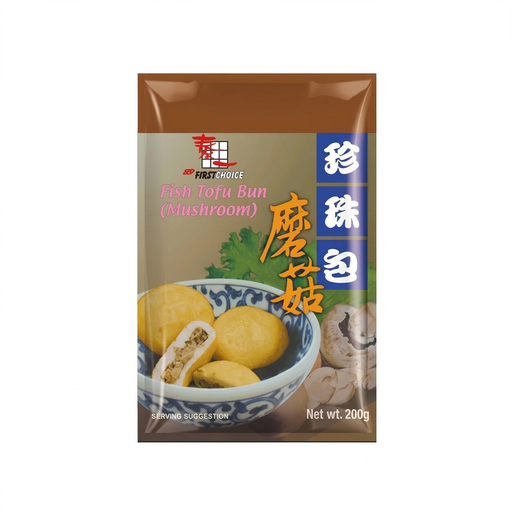
Why This Fits Their Persona: A practical option for cooks who want fish tofu buns with mushroom and vegetable elements in hot pots, soups, steaming or stir-fries.
The listing specifies fish paste, mushrooms and Chinese kale heart, rather than leaving the filling description vague.
200g pack; includes mushroom and vegetable ingredients; suitable for several cooking methods.
We have compiled a complete, real-time list of products that fully satisfy these strict selection criteria and UK safety regulations.
For fish cakes for noodles, add chikuwa, kamaboko or fried fish cake near the end of cooking so the pieces warm through without becoming overly soft. In a seafood hot pot, frozen fish tofu buns and cuttlefish balls can usually go directly into the boiling broth, provided the product instructions allow this.
For stir-fries, thaw products where instructed, slice them evenly and cook with vegetables, noodles or a savoury sauce. Fried fish cake can also be pan-fried until heated through, while mushroom fish cake rolls are suitable for steaming or simmering.
Some are steamed or pre-fried, but this does not always mean they are ready to eat straight from the pack. Check whether the label says “ready to eat” or provides cooking instructions. Products marked for cooking should be heated thoroughly and piping hot throughout.
Keep them frozen at -18°C or below and follow the best-before date on the packaging. Once thawed, refrigerate and use within the stated period, commonly 48 hours or two to three days depending on the product. Do not refreeze after thawing.
Chikuwa is generally a grilled, tube-shaped fish cake with a firm, springy texture. Kamaboko is a steamed fish cake, commonly sold as a loaf or sliced piece with a softer, smooth bite. Both can be used in noodles, soups and hot pots, but their shapes and textures create different results.