
24/7 Customer Support

Free returns

Same-day & Next-day Delivery

Quality Guaranteed

Unlock Your Welcome Offers: FREE Delivery | Up to 80% OFF | Free 30-day JoyPlus trial
Download the APP
Navigating the world of Asian pork sausages can be a challenge. You have a recipe in mind—perhaps a comforting bowl of ramen, a sizzling plate of fried rice or a traditional clay pot dish—but the sheer variety can be overwhelming. Choosing the wrong type can lead to disappointing results, turning what should be a culinary success into a frustrating experience. As a Joybuy Product Recommendation Officer, my role is to help you understand the key differences so you can select the right product with confidence.
Many home cooks in the UK encounter a few common pitfalls when they first try to buy Asian sausages online. Let's look at what to watch out for.
To avoid these issues, focus on a few core characteristics. Understanding these will empower you to select the perfect sausage for any culinary creation.
The texture is arguably the most important factor. It dictates how the sausage cooks and its mouthfeel.
The flavour is determined by the region and the specific blend of seasonings used.
To make your choice easier, here are a few recommendations matched to different cooking needs and preferences.
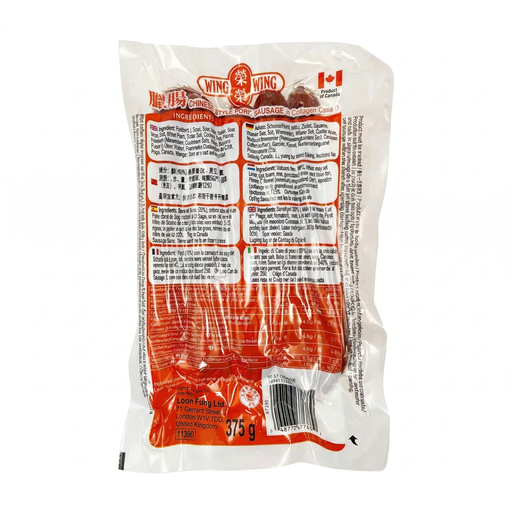
Why This Fits Their Persona: This is for the cook making a traditional Cantonese dish like clay pot rice (煲仔飯) or turnip cake (lo bak go). They need the authentic, firm texture and rich, savoury-sweet flavour of a proper lap cheong that will render its fat and perfume the entire dish.
It avoids the texture mismatch. As a genuine air-dried sausage, it provides the dense, chewy bite required for specific recipes, unlike softer, emulsified sausages.
Its concentrated flavour is designed to infuse into other ingredients during cooking. It is a versatile pantry staple for authentic Chinese cooking.
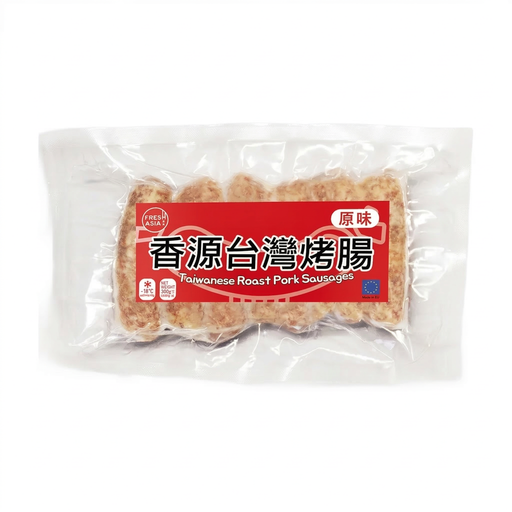
Why This Fits Their Persona: This is for someone who needs a quick and flavourful protein for easy meals. Being ready-to-eat, it can be sliced cold into salads or sandwiches, or quickly pan-fried and added to instant noodles or sausages for fried rice.
It avoids the flavour gamble for those new to Taiwanese sausage. Its profile is a crowd-pleasing balance of sweet and savoury, making it an accessible entry point.
Its high pork content (88%) ensures a quality, meaty texture. Being ready-to-eat offers maximum convenience for quick meals.
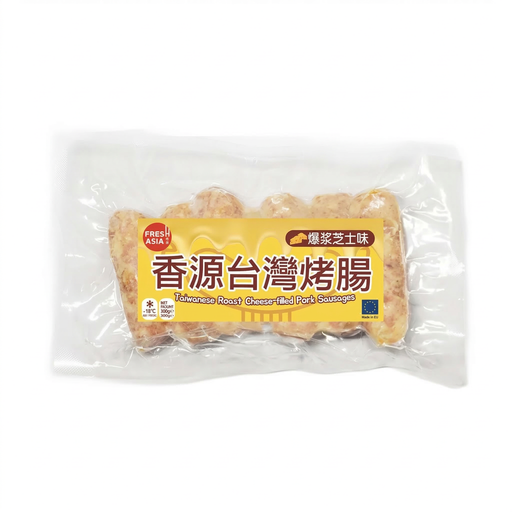
Why This Fits Their Persona: This is for the foodie who enjoys novel flavour combinations. The combination of a sweet and savoury Taiwanese sausage with a molten mozzarella cheese centre makes for a fun and indulgent snack, perfect for air-frying or pan-frying.
This product clearly states its unique feature—it's a cheese filled sausage. This avoids the pitfall of buying a standard sausage and being surprised by an unexpected ingredient.
It offers a unique taste experience that combines East Asian and Western flavours. It is a great option for parties, snacks or adding a fun element to a bento box.
We have compiled a complete, real-time list of products that fully satisfy these strict selection criteria and UK safety regulations.
Yes, many varieties, especially frozen pork sausages like Japanese arabiki or Taiwanese sausages, are designed to be cooked directly from frozen. The most common methods are pan-frying, grilling or boiling. However, cooking times will be longer than for thawed sausages. For cured sausages like lap cheong, it is generally better to steam them first. Always check the package for specific cooking instructions, as this is the most reliable guide.
The primary differences are in texture and flavour. Chinese sausage (lap cheong) is a hard, dense, air-dried sausage with a complex sweet and savoury flavour. It must be cooked and is typically used as a flavouring ingredient. A Japanese style sausage (like arabiki) is a juicy, coarsely ground sausage with a snappy casing and a milder, often smoky flavour. It is usually pre-cooked and just needs to be heated through, making it great as a standalone item.
Taiwanese sausage is incredibly versatile. Because of its characteristic sweetness, it pairs wonderfully with savoury ingredients. A classic way to serve it is simply pan-fried and served with slices of raw garlic. You can also slice it and add it to fried rice or noodle dishes, incorporate it into an omelette or use it as a flavourful component in a bento box. Some are ready-to-eat and can be sliced cold for a quick snack.