Navigating the world of Asian rice cakes can feel like a delicious puzzle. You might see them in stir-fries, soups or as delicate, sweet desserts. With terms like mochi, daifuku and kuey teow, it is easy to feel unsure about which one is right for your recipe. Are they sweet or savoury? Chewy or firm?
This guide is designed to help you understand the key differences between popular types of Asian rice cakes. We will walk through what to look for when buying, whether you are planning a savoury meal or seeking a sweet treat and offer some recommendations to help you get started.
Choosing the Right Asian Rice Cake: A Quick Guide
Making the right choice often comes down to your intended dish. Here are a few practical points to consider when you decide to buy Asian snacks online or in-store.
1. Sweet vs. Savoury
The most significant distinction is between sweet and savoury varieties.
- Sweet Rice Cakes: These are typically desserts or snacks. Well-known examples include the Japanese rice cake varieties mochi and daifuku. They are made from glutinous rice flour, which gives them a characteristically soft, sticky and chewy texture. They are often filled with sweet pastes, such as the popular red bean mochi.
- Savoury Rice Cakes: These are ingredients for main courses. Common in Chinese and Korean cuisine, these rice cakes are usually firm, cylinder-shaped or sliced into ovals. Known as kuey teow or bai guo in some contexts, they are ideal rice cakes for stir fry dishes, soups and hot pots because their neutral flavour and chewy texture absorb sauces beautifully.
2. Fresh, Frozen, or Dried
How the rice cakes are packaged affects their preparation and storage.
- Frozen: Many sweet rice cakes like daifuku are sold frozen to maintain their freshness and soft texture. They typically only need to be thawed at room temperature before eating, making them a very convenient option.
- Dried: Savoury Chinese rice cake slices are often sold dried. This gives them a long shelf life, making them an excellent pantry staple. They require rehydration—usually by soaking in water for several hours—before they can be cooked.
Top Asian Rice Cake Picks
Here are a few recommendations available in the UK, selected to cover different tastes and cooking needs.
Yamamotoya Red Bean Paste Daifuku Wagashi 100 g

- Why It Stands Out: This product offers an authentic Japanese dessert experience. The daifuku is a type of wagashi (a traditional Japanese confection) featuring a soft, chewy mochi exterior filled with a smooth, sweet adzuki bean paste. It comes frozen for convenience, preserving its delicate texture.
- Pros:
- Classic red bean mochi flavour profile.
- Made with glutinous rice flour for an authentic chewy texture.
- Ready to eat after a short thawing period.
- Who is it for: Anyone looking for a traditional Japanese rice cake dessert or a high-quality sweet treat that requires no preparation.
Royal Family Mochi Rice Cake - Red & White 360g
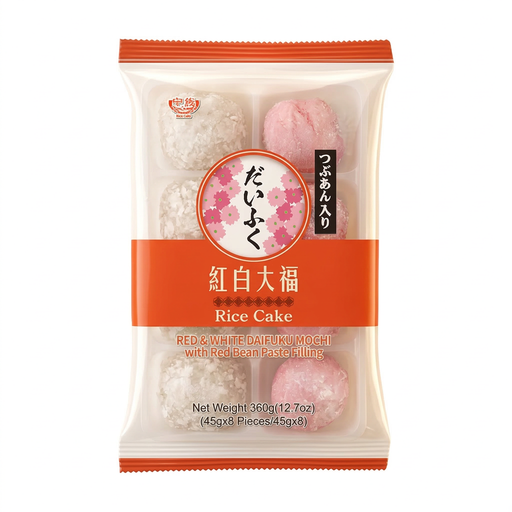
- Why It Stands Out: This larger pack from Royal Family is a popular choice for its soft texture and sweet red bean filling. The combination of red and white mochi makes for an appealing presentation, suitable for sharing with family and friends.
- Pros:
- Features a smooth, sweet red bean paste filling.
- Consistently soft and chewy texture.
- The 360g pack size offers good value for regular mochi consumers.
- Who is it for: Households and individuals who enjoy sweet mochi as a regular snack and appreciate having a larger quantity on hand. It is a great entry point for those new to Asian rice cakes.
Rong He White Kuey Teow Rice Cake 400G
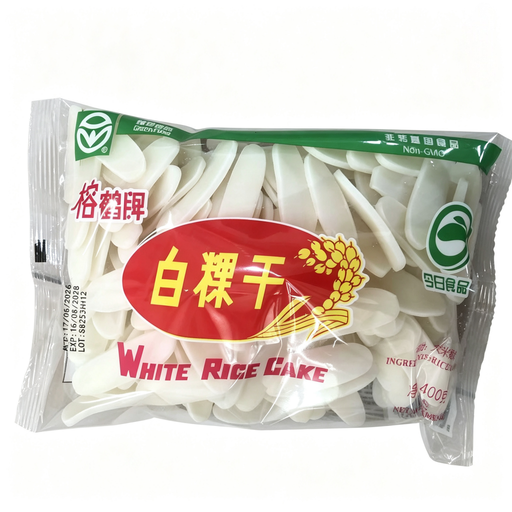
- Why It Stands Out: This is a quintessential pantry staple for savoury Asian cooking. These dried Chinese rice cake slices, also known as bai guo, are made from regular rice, giving them a firm texture that turns satisfyingly chewy when cooked. Their versatility is their greatest strength.
- Pros:
- Excellent shelf life as a dried product.
- Becomes soft and chewy after soaking, perfect for cooking.
- Its neutral flavour makes it a perfect canvas for savoury sauces and broths.
- Who is it for: Home cooks who want to create authentic savoury dishes like Shanghai-style stir-fried rice cakes or add a chewy component to soups and hot pots. This is the product to look for if you need rice cakes for stir fry.
Looking for More Options?
A well-stocked pantry is the foundation of any great meal. Whether you are planning your next culinary creation or searching for more unique ingredients, you can explore our wider selection of Asian pantry staples to find exactly what you need.
Frequently Asked Questions about Asian Rice Cakes
What is the difference between Japanese mochi and Chinese rice cakes?
The primary difference lies in their ingredients and typical use. Japanese rice cake varieties like mochi and daifuku are almost always sweet snacks or desserts made from glutinous rice flour, which gives them a very soft and chewy texture. In contrast, savoury Chinese rice cake (like nian gao or the slices known as kuey teow or bai guo) are made from regular rice flour. They are firmer and are used as an ingredient in cooked dishes like stir-fries and soups.
How do I cook dried rice cakes for a stir fry?
To prepare dried rice cakes for cooking, you first need to rehydrate them. Soak the dried slices in cold or lukewarm water for at least a few hours, or overnight, until they become soft and pliable. Once softened, drain them thoroughly. Add them to your stir-fry during the last 2-3 minutes of cooking, tossing them with the other ingredients and sauce until they are heated through and have absorbed the flavours.
Can I make my own mochi at home?
Yes, making mochi at home is achievable. The essential ingredient you will need is glutinous rice flour, which is also sometimes labelled as sweet rice flour. Most recipes involve mixing the flour with water and sugar, then either steaming or microwaving the mixture until it forms a sticky, elastic dough. From there, you can portion it and add fillings if you wish.


