
24/7 Customer Support

Free returns

Same-day & Next-day Delivery

Quality Guaranteed

Unlock Your Welcome Offers: FREE Delivery | Up to 80% OFF | Free 30-day JoyPlus trial
Download the APP
Shopping for Asian snacks and groceries online UK shoppers can rely on is convenient, but product pages do not always make comparisons easy. A colourful image may hide a small pack, a “quick meal” may require several cooking steps and a familiar food category can contain unexpected allergens.
Whether you are stocking an office drawer, preparing lunchboxes, planning a family meal or exploring Chinese snacks and Japanese noodles, these checks can help you spend more confidently.
A 270g pack may contain one large portion, three 90g servings or several individually wrapped snacks. Compare the net quantity, number of packs and serving guidance rather than relying on the front image.
For example, some noodle packs are portioned for multiple meals, while a 270g bag of crackers or plant-based snack pieces may be intended for sharing. A multipack of shelled chestnuts can also provide more individual packs than a single 270g listing.
Many instant Asian noodles still need boiling, draining and mixing with seasoning. Chinese rice noodles, Japanese ramen noodles and wide vermicelli can have different preparation times and textures.
Check whether the product is:
This matters when shopping for a desk lunch, school snack or quick evening meal.
Words such as “light”, “natural” or “traditional” do not replace the ingredient list or nutrition panel. A spicy noodle dish may contain several seasoning sachets, while a nut snack can contain added salt. Always check the energy, salt, sugars and fat per 100g, especially when comparing products with different serving sizes.
UK food labelling rules require allergens to be emphasised in the ingredients list. Common allergens in Asian groceries include:
If you have an allergy or intolerance, read the current packaging rather than relying only on a product summary. Manufacturing statements such as “may contain traces” should also be considered.
Asian pantry staples are not all shelf-stable in the same way. Dried noodles generally need a cool, dry cupboard, while frozen buns require storage at -18°C or below. Opened tahini may need refrigeration or use within a stated period and sauces often have a shorter life once opened.
Preparation instructions also affect the final result. Hakubaku Japanese somen noodles require around two to three minutes of cooking followed by rinsing. Japanese ramen noodles and yakisoba noodles require boiling, draining and, in some cases, rinsing before stir-frying. Follow the pack instructions and ensure heated foods are thoroughly cooked.
Choose the format that fits your routine:
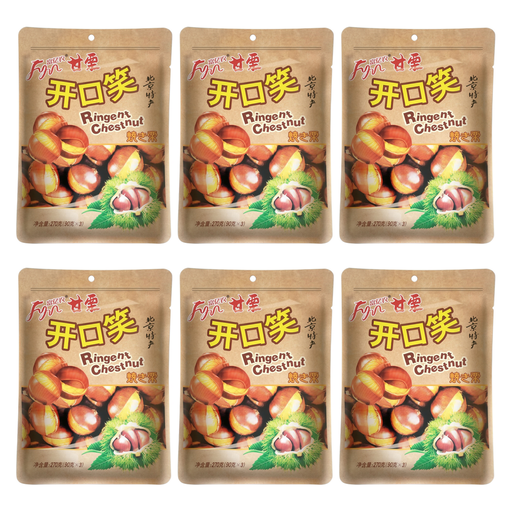
Why This Fits Their Persona: A practical cupboard snack for office drawers, family sharing and lunchboxes, with three packs in each 270g unit.
The listing states that the ingredients are 100% chestnuts and that the product is ready to eat, so there is no seasoning or cooking step to overlook.
Pre-cut for easier peeling; 210 kcal and 0.01g salt per 100g according to the supplied nutrition panel.
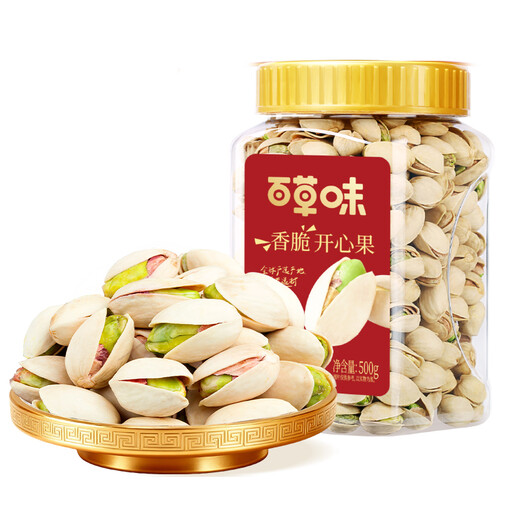
Why This Fits Their Persona: Suits shoppers wanting a larger roasted nut pack for entertaining, baking, salads or regular snacking.
The ingredients are listed as pistachios and salt, making the seasoning clear rather than hidden behind a broad flavour description.
500g format; lightly roasted with salt and ready to eat. Contains pistachios, a tree-nut allergen.
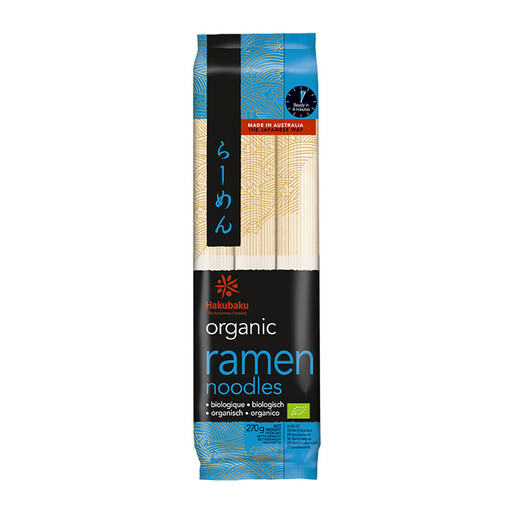
Why This Fits Their Persona: A flexible base for repeat meals, from soup and stir-fries to cold noodle salads.
The cooking instructions specify four minutes for serving and three minutes for stir-fry use, reducing uncertainty around preparation.
Made with organic wheat flour according to the listing; contains wheat gluten and may contain traces of multiple allergens.
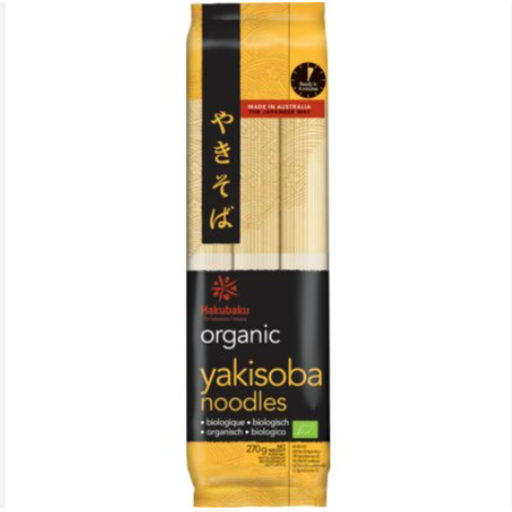
Why This Fits Their Persona: The 3 x 90g format is useful for portion planning, weekday stir-fries and packed lunches.
The product description clearly states that cooking is required and gives a four-minute preparation method before stir-frying.
Three pre-portioned 90g servings; listed as suitable for vegetarian and vegan diets, subject to checking the current packaging.
We have compiled a complete, real-time list of products that fully satisfy these strict selection criteria and UK safety regulations.
Before adding products to your basket, group them by use:
This approach makes it easier to compare Chinese snacks, Japanese noodles, Asian sauces and other ready-to-eat snacks without relying on promotional wording alone.
Start with the ingredient list, allergen advice, net quantity, storage instructions and preparation method. Also check the product’s country of origin and the current packaging information when the product arrives.
Usually not. Dried Japanese ramen noodles and soba noodles require boiling. Soba commonly contains wheat and buckwheat, while ramen generally contains wheat. Follow the stated cooking time and rinse where instructed.
It depends on the format. A 270g noodle pack may contain three servings, while a snack pack may be intended for sharing. Check the serving information and portion format rather than assuming the weight equals one meal.