
24/7 Customer Support

Free returns

Same-day & Next-day Delivery

Quality Guaranteed

Unlock Your Welcome Offers: FREE Delivery | Up to 80% OFF | Free 30-day JoyPlus trial
Download the APP
Navigating the supermarket aisle for Asian soy sauce can be surprisingly complex. With bottles labelled 'light', 'dark', 'premium' and more, it's easy to grab the wrong one and find your home-cooked stir-fry or braised dish lacks that authentic flavour you were hoping for. As the Joybuy Product Recommendation Officer, my role is to help you understand the key differences so you can select the right bottle for your culinary needs, avoiding common purchasing mistakes.
Many home cooks in the UK fall into a few simple traps. The most common is using light and dark soy sauces interchangeably, leading to dishes that are either too salty and pale or too dark and lacking in savoury depth. Another pitfall is overlooking the ingredient list, where the difference between a naturally brewed sauce and a chemically produced one can significantly impact the final taste. Let's break down what you really need to know.
Before you add a bottle to your basket, focusing on a few core parameters will ensure you get the results you want. These are the non-negotiable details that separate an all-purpose staple from a specialist ingredient.
This is the most critical distinction in Chinese soy sauce. They are not substitutes for one another; they serve entirely different purposes in cooking.
The flavour of a premium soy sauce comes from its production method. Always check the label for how it was made.
Soy sauce is inherently salty, but the levels can vary dramatically. If you are monitoring your sodium intake, look for a less salt soy sauce. To make a fair comparison between brands, always check the nutritional information for the salt content per 100ml, as serving sizes can be misleading. A reduced-salt version can provide that essential umami flavour without overwhelming the dish with saltiness.
To help you choose, we've matched some popular options to different cooking styles and needs.
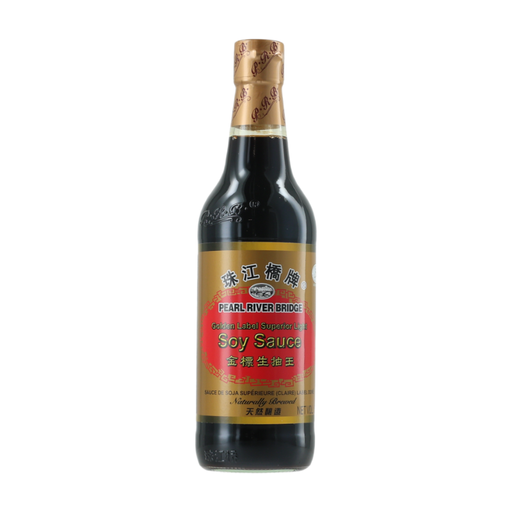
Why This Fits Their Persona: This is a classic, reliable light soy sauce found in countless kitchens. It provides the essential savoury (umami) flavour needed for daily stir-fries, marinades and as a simple dipping sauce without being overly complex. It's the perfect all-rounder for authentic flavour.
This is a proper light soy sauce, designed for seasoning. It avoids the common mistake of using a dark soy sauce for flavour, which would make a stir-fry too dark and slightly bitter.
Made with a traditional fermentation process from non-GMO soybeans, it delivers a rich, authentic umami flavour suitable for a wide variety of dishes.

Why This Fits Their Persona: For anyone serious about making authentic braised dishes, a good dark soy sauce is non-negotiable. This one from Lee Kum Kee is specifically designed to impart a deep, glossy caramel colour and a subtle sweetness to stews and marinades.
It prevents the pitfall of ending up with a pale, unappetising braised dish. Using this ensures your food has the characteristic rich, reddish-brown hue that makes it look as good as it tastes.
Its primary purpose is adding rich colour and depth of flavour. It is less salty than light soy sauce, allowing for better control over the final seasoning of slow-cooked dishes.
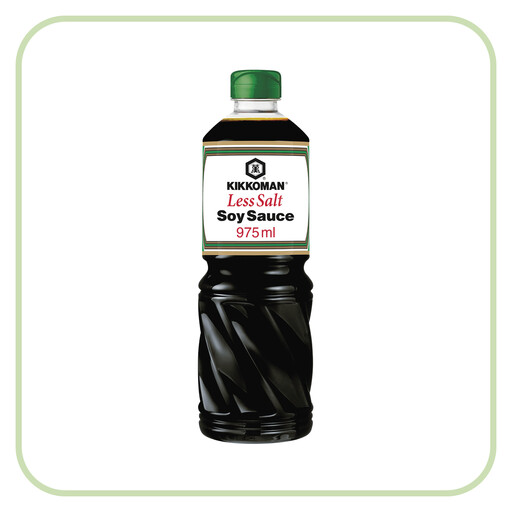
Why This Fits Their Persona: For those who love the flavour of soy sauce but want to manage their salt intake, this is an ideal choice. Kikkoman is a well-known Japanese brand, and this version offers the same naturally brewed flavour with a significant reduction in sodium.
It avoids the trap of having to choose between flavour and lower sodium. You get the authentic, savoury taste of a naturally brewed soy sauce without the high salt content of standard varieties.
It contains approximately 37% less sodium than the brand's regular soy sauce. It is naturally brewed from just four ingredients: soybeans, wheat, water and salt.
We have compiled a complete, real-time list of products that fully satisfy these strict selection criteria and UK safety regulations.
What is the difference between Chinese and Japanese soy sauce? Generally, Chinese soy sauces are brewed with a higher percentage of soybeans and are often saltier (light soy sauce) or thicker and darker (dark soy sauce). Japanese soy sauce (shoyu) is typically brewed with an equal ratio of soybeans and wheat, which gives it a slightly sweeter, more aromatic and more rounded flavour. It's often used as an all-purpose seasoning and dipping sauce.
How long does soy sauce last after opening? Once opened, a bottle of soy sauce should be tightly sealed and stored in a cool, dark place like a cupboard. For the best quality and flavour, it is often recommended to refrigerate it after opening. While it won't spoil quickly due to its high salt content, its flavour can degrade over time. It's advisable to use it within a year of opening.
Can I use light and dark soy sauce interchangeably? It is not recommended. Using light soy sauce in a recipe that calls for dark soy sauce will result in a dish that is pale and likely too salty. Conversely, using dark soy sauce instead of light will make the dish intensely dark, potentially with a slightly bitter or flat taste and it won't provide the same savoury seasoning. For authentic results, it's important to have both in your pantry.