
24/7 Customer Support

Free returns

Same-day & Next-day Delivery

Quality Guaranteed

Unlock Your Welcome Offers: FREE Delivery | Up to 80% OFF | Free 30-day JoyPlus trial
Download the APP
Navigating the world of Asian tea can feel overwhelming. The shelves, both physical and virtual, are filled with bottles boasting vibrant designs and exotic names. Yet, many UK shoppers find their purchase leads to disappointment—a drink that’s either a sugary imitation or simply not what they expected. As the Joybuy Product Recommendation Officer, my role is to help you see past the marketing and make choices that align with your taste and preferences.
This guide will walk you through the common pitfalls to avoid and the key factors to check before you buy, ensuring your next sip is a genuinely refreshing one.
Many shoppers are drawn in by appealing packaging, only to be let down by the contents. Understanding these common traps is the first step to spending your money wisely.
To ensure you get a product you'll enjoy, focus on these three practical details on the product label or description.
Always check the "Nutritional Information" table, specifically the "Carbohydrates - of which sugars" line. A drink with over 10g of sugar per 100ml is a high-sugar beverage. For those looking for a healthier option, many brands now offer excellent zero sugar iced tea alternatives. These often use sweeteners like erythritol or sucralose, which provide sweetness without the calories. If you prefer a completely unsweetened, pure tea experience, look for products that explicitly state 0g of sugar.
The term "Asian tea" covers a vast spectrum of flavours. Understanding the basic categories will help you find your preference:
Look for terms like "brewed from real tea leaves" or "100% tea extract". Products made by brewing actual leaves tend to have a more authentic and nuanced flavour profile. In contrast, those made from powders, concentrates or "tea flavourings" can sometimes taste artificial or one-dimensional.
To make your choice easier, here are a few recommendations matched to different preferences and needs.

Why This Fits Their Persona: This is an ideal choice for daily hydration without any sugar or calories. Its authentic, roasted flavour makes it a satisfying alternative to water or sugary soft drinks, perfect for keeping in the fridge at home or the office.
It directly counters the "hidden sugar" pitfall by being a genuine zero sugar, zero calorie drink. There are no misleading health claims; it is simply pure, brewed tea.
Made with 100% real Shuixian Oolong tea leaves, it delivers a robust and authentic roasted tea flavour, not just flavoured water. The case pack offers great value.
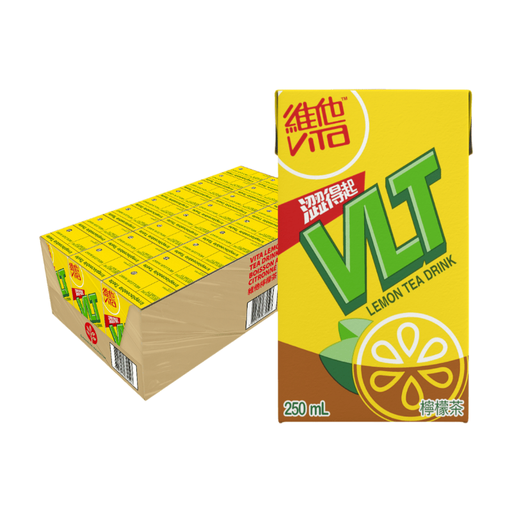
Why This Fits Their Persona: For anyone who has spent time in Hong Kong or East Asia, Vita Lemon Tea is an iconic and instantly recognisable taste of home. It's the go-to drink for an authentic, refreshing lemon tea experience.
This is the definition of authentic. It sidesteps the "inauthentic flavour" trap by being the original, beloved brand that other lemon teas are often compared to.
It has a distinctive and consistent balance of sharp lemon and sweet black tea that is difficult to replicate. The 24-carton multipack is convenient for stocking up.
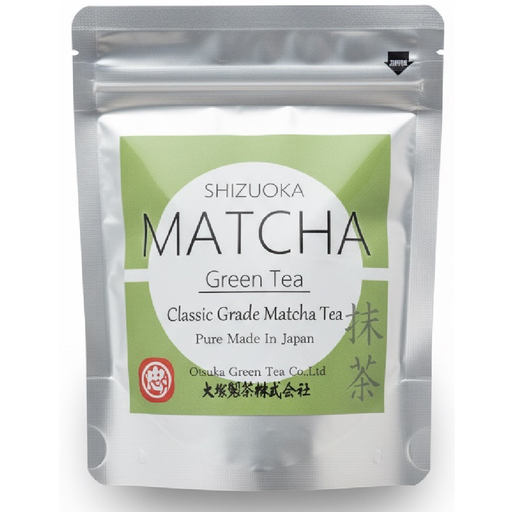
Why This Fits Their Persona: For those who enjoy the ritual of making tea or want full control over their ingredients, a quality matcha powder UK option is ideal. It can be used for traditional tea, lattes, smoothies or even baking.
By buying powder, you completely avoid the pre-made drink pitfalls. You control the sweetness, the type of milk used (if any) and the strength, ensuring a perfect cup every time.
Sourced from Shizuoka, Japan—a region famous for its tea—and stone-ground for a fine, velvety texture. This ensures a smooth, non-gritty drink with a balanced umami flavour.
We have compiled a complete, real-time list of products that fully satisfy these strict selection criteria and UK safety regulations.
The main difference lies in the processing. Japanese green teas are typically steamed after harvesting, which stops oxidisation and preserves a fresh, vibrant and more vegetal or even seaweed-like (umami) flavour. Chinese green teas are usually pan-fired in a large wok, which gives them a toastier, earthier and slightly more mellow character.
Before opening, most ready to drink Asian tea products are shelf-stable and can be stored in a cool, dry place away from direct sunlight. However, they are almost always best enjoyed chilled. Once opened, you must refrigerate the bottle and consume it promptly, typically within 24 hours, to ensure freshness and safety.
Yes, absolutely. The demand for healthier beverages has led many popular brands to launch sugar-free versions of their classic teas. You can easily find zero sugar iced tea options, particularly for bottled green tea and oolong tea from brands like Suntory and Nongfu Spring. Always check the nutritional label to be certain.