
24/7 Customer Support

Free returns

Same-day & Next-day Delivery

Quality Guaranteed

Unlock Your Welcome Offers: FREE Delivery | Up to 80% OFF | Free 30-day JoyPlus trial
Download the APP
The promise of achieving salon-quality results from the comfort of your own home has made at-home beauty devices a staple in many UK households. From smoothing fine lines to deep cleansing pores, these gadgets offer convenience and long-term value. However, the rapidly growing market is filled with marketing hype and technical jargon that can lead to disappointing and costly purchases.
As a Joybuy Product Recommendation Officer, my role is to help you navigate this landscape. Before you invest, it's crucial to understand the common pitfalls that many buyers encounter.
To make a smart choice, focus on the functional specifications rather than the marketing claims. Here are the key parameters to analyse.
The effectiveness of any device lies in its core technology. Don't just look for a feature; look for its specifications.
A device is only useful if you can use it comfortably and consistently. Pay attention to its physical design and the materials it's made from.
This is non-negotiable. Always verify that any electronic personal care gadget sold in the UK carries the appropriate safety markings.
Based on these practical criteria, we've matched a few standout devices to different user needs. These selections prioritise functional design and transparent specifications over exaggerated claims.
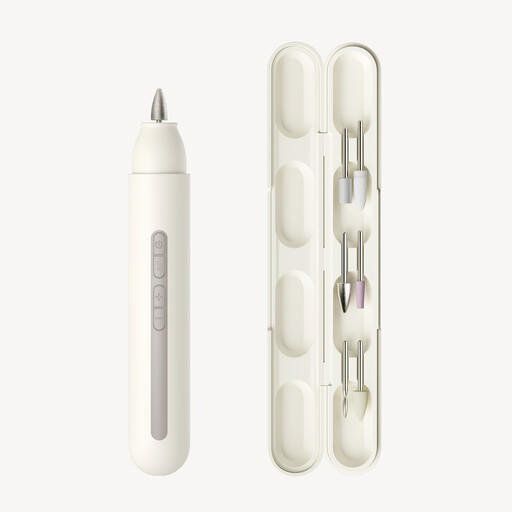
Why This Fits Their Persona: Perfect for someone wanting to elevate their at-home nail care without a large investment. This electric manicure set is a practical, entry-level gadget that provides a tangible upgrade from manual files and buffers.
It avoids the "do-it-all" pitfall by focusing solely on nail care. It also uses standard AAA batteries, freeing you from proprietary chargers or hidden running costs beyond battery replacement.
Includes 5 interchangeable heads for shaping, filing and buffing. The bi-directional rotation is useful for both left and right-handed users, ensuring comfortable and precise control.
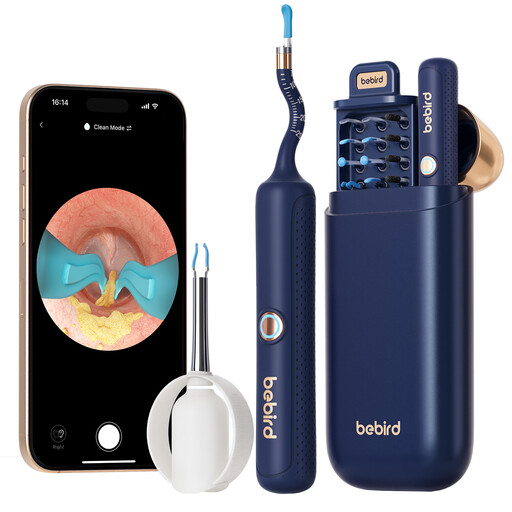
Why This Fits Their Persona: This is for the user seeking a modern, safe solution to a very specific problem: ear cleaning. A visual ear wax remover like this is one of the most practical personal care gadgets UK consumers are adopting to move away from risky cotton buds.
It directly counters the safety pitfall of traditional methods. Instead of blind cleaning, it provides a high-definition camera feed to a smartphone, allowing for precise and careful movements.
The built-in safety scale and soft silicone tips are designed to prevent over-insertion. It includes multiple tool types (tweezers, scoops) for different kinds of earwax.
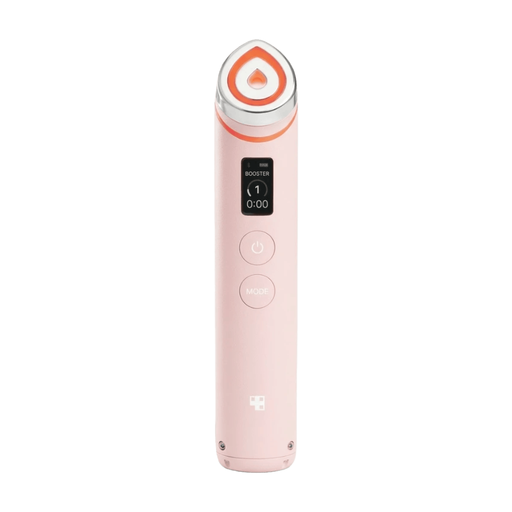
Why This Fits Their Persona: This is for the tech-savvy user who wants a powerful, multi-functional device and is willing to invest in it. It combines several advanced technologies (EMS, electroporation, LED) into one well-engineered unit.
It avoids the hidden costs trap by being designed to work with your existing skincare products, requiring no proprietary gels. While it is an "all-in-one" device, it is a premium example where each function is well-developed.
Its Booster mode uses electroporation to help enhance the absorption of serums. The five-colour LED system targets different skin concerns and the companion app helps track usage and provides guidance.
We have compiled a complete, real-time list of products that fully satisfy these strict selection criteria and UK safety regulations.
1. How long do at-home beauty devices typically last? The lifespan of a device depends on its build quality, battery type and usage frequency. A well-made device from a reputable brand should last for several years. Look for products with at least a one-year warranty. For rechargeable devices, the health of the lithium-ion battery is key; its ability to hold a charge will naturally diminish over hundreds of cycles, similar to a smartphone.
2. Do I always need a special gel for a microcurrent facial device? Not always, but a conductive medium is essential for the current to pass into the facial muscles. While some brands sell proprietary gels, you can often use a more affordable, water-based alternative like aloe vera gel or a hyaluronic acid serum, as long as it is oil-free. Always check the manufacturer's instructions, as some devices are specifically designed to work with your existing water-based skincare.
3. Is it safe to use an LED face mask every day? Most manufacturers recommend using an LED face mask for 10-20 minutes, 3-5 times per week, rather than daily. Overuse could potentially lead to skin sensitivity. It is important to start slowly, follow the recommended guidelines for your specific device and always wear the provided eye protection or keep your eyes closed during treatment. If you have any underlying skin conditions or are using photosensitising medication, consult a dermatologist first.