TV snackers comparing fat
If you want crisps for an evening in but are looking to reduce fat, start with the fat figure per 100g. It lets you compare products even when their suggested servings differ.


If reducing fat is your main aim, compare the exact flavours per 100g rather than assuming every baked or lentil crisp is alike. Walkers lists 13g fat per 100g for Baked Cheese & Onion, while Tyrrells lists 18g per 100g on its Sweet Chilli & Red Pepper lentil-crisp product page; the two manufacturers use different standard-potato-crisp comparisons for their reduced-fat claims. Lentil crisps offer a different format, but check the current pack for salt, serving size and allergens before choosing.
If you want crisps for an evening in but are looking to reduce fat, start with the fat figure per 100g. It lets you compare products even when their suggested servings differ.
A familiar baked potato flavour and a lentil-based crisp are different choices. Compare the exact flavours for fat, salt and serving size rather than relying on a reduced-fat claim alone.
Check ingredients and allergen statements for the flavour you intend to buy. A dietary suitability statement for one crisp does not establish that another flavour or product is suitable.
Choose the snack format you want, then compare the exact products per 100g before using serving information to plan how much to put out for a TV night.
| Priority | What to check | Your needs |
|---|---|---|
| Fat comparison | Compare fat per 100g for the exact flavours. Walkers lists 13g for Baked Cheese & Onion; Tyrrells lists 18g on its Sweet Chilli & Red Pepper lentil-crisp product page, although another Tyrrells nutrition page gives 19g. Check what each reduced-fat claim uses as its comparator. | I want to reduce fat without giving up a crisp-like snack, so the figure for the flavour I will buy matters more than a claim about the range. |
| Salt | Read the current pack’s salt declaration per 100g and per serving. Walkers lists 0.89g per 100g for Baked Cheese & Onion. Tyrrells’ two pages give conflicting salt figures for Sweet Chilli & Red Pepper, so they cannot establish a dependable salt comparison. | Reducing fat is one aim, but I also want to check salt separately before settling on a flavour. |
| Serving size | Check the pack weight, stated serving size and nutrition per serving. Use per-100g figures for a like-for-like comparison, then consider the amount you expect to eat. | For a TV night, I want the label’s serving figure to relate to the portion I actually put in a bowl. |
| Format | Decide whether you want baked potato crisps, lentil crisps or another snack. KETTLE lists 29.5g fat per 100g for Lightly Salted hand-cooked crisps; that particular product is a comparison, not a reduced-fat option. | I may prefer a traditional potato crisp, or I may be happy with a lentil-based alternative if reducing fat takes priority. |
| Ingredients and allergens | Read the exact flavour’s ingredients, allergen statement and any dietary suitability wording. Walkers Baked Cheese & Onion contains milk-derived ingredients; KETTLE describes its Lightly Salted product as gluten-free and suitable for vegans and vegetarians. | I need to know whether the particular pack suits my dietary requirements, not whether another product from the same brand does. |
A fat comparison does not tell you the product’s salt content, calories or serving size. Those figures can affect which pack meets your particular buying priorities.
Use the claim to identify a product worth comparing, then read fat, salt and calories per 100g and per serving on the current pack.
Walkers’ Baked Cheese & Onion serving is 22g, while the Tyrrells Sweet Chilli & Red Pepper lentil-crisp serving described in the research is 30g. Their per-serving figures therefore describe different amounts of food.
Compare per 100g first. After that, use the serving figures to consider the amount you intend to eat.
KETTLE Lightly Salted lists 29.5g fat per 100g. Its hand-cooked format does not, by itself, meet a reduced-fat brief.
If reducing fat is decisive, check the nutrition panel or an explicit reduced-fat claim for the exact product before choosing by texture or flavour.
Tyrrells lists different salt values for Sweet Chilli & Red Pepper lentil crisps on its product and lentil-nutrition pages. Those figures do not provide a sound basis for placing it ahead of another product on salt.
If salt matters to your choice, check the declaration on the current pack before buying.
These examples concern named products and lines, not every flavour each brand makes.
Walkers Baked Cheese & Onion is a baked potato-crisp option with a manufacturer-stated reduction in fat.
Tyrrells offers a lentil-crisp alternative to conventional potato crisps.
KETTLE Lightly Salted provides a traditional hand-cooked potato-crisp comparison when format or dietary suitability matters more than a reduced-fat claim.
These options include potato and lentil crisps alongside lentil-cake and crispbread-style snacks for a TV night. Compare each exact pack’s nutrition and ingredients: a different snack format is not, on its own, a reduced-fat claim.
 No image available
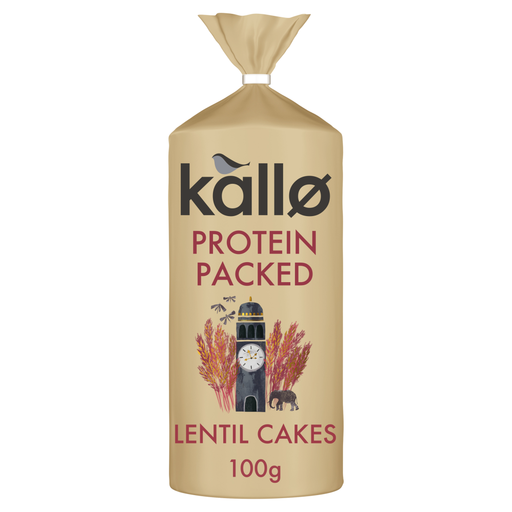
Consider these lentil cakes if you want a TV-night snack in a different format from potato crisps. The pack is 100g; compare its current fat and salt figures with the crisps you would otherwise buy, and check the allergen statement for your needs.
 No image available
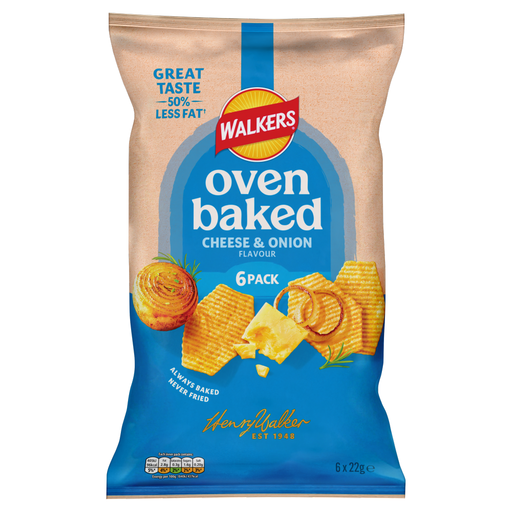
This multipack suits a choice centred on baked potato crisps and individually stated 22g packs. Walkers lists 13g fat per 100g for Baked Cheese & Onion and says the flavour has 50% less fat than regular potato crisps. It contains milk-derived ingredients; check the pack’s full allergen statement.
 No image available
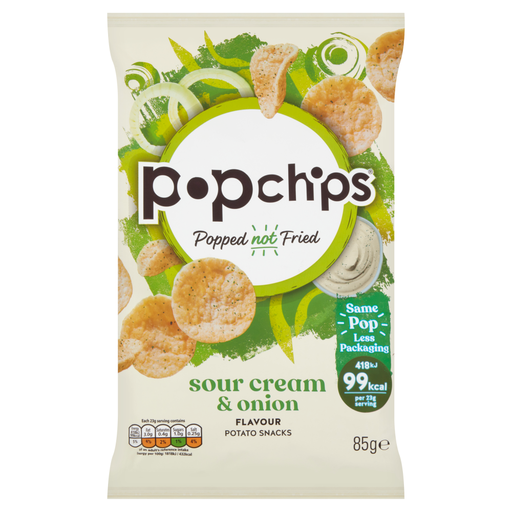
This 85g Sour Cream & Onion pack is another crisp-style option for sharing during a TV night. Check its current per-100g fat and salt figures against the baked and lentil products before choosing it for a reduced-fat aim; check the allergen statement too.
 No image available
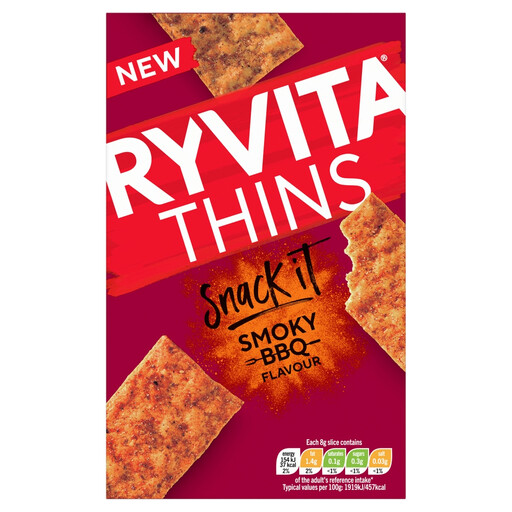
Choose this 125g pack if a thin, crispbread-style snack appeals more than a potato or lentil crisp. It is a different format, so compare its current nutrition panel on the same per-100g basis and check the ingredients if you need to avoid gluten.
 No image available
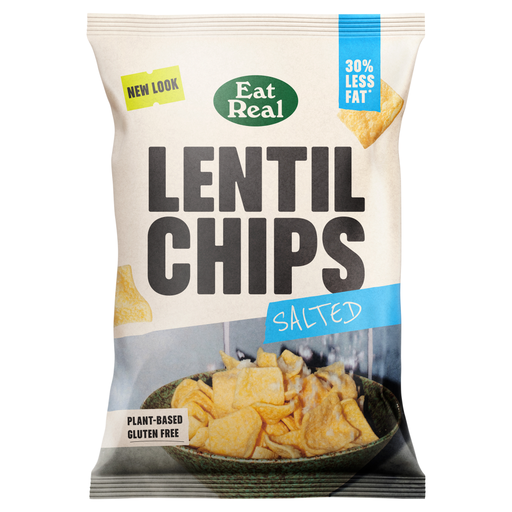
These 95g lentil chips offer a pulse-based alternative to potato crisps. Compare the fat and salt figures on this exact pack with the potato-crisp options; Tyrrells’ figures for its own lentil crisps do not establish the nutrition of this Eat Real product.
No conclusion about every baked and lentil crisp follows from the format alone. For the named examples, Walkers lists 13g fat per 100g for Baked Cheese & Onion, while Tyrrells lists 18g per 100g on its Sweet Chilli & Red Pepper lentil-crisp product page. Compare the exact packs you are considering.
Tyrrells says its lentil crisps have 30% less fat than standard potato crisps on average, based on a comparison described in its lentil-nutrition information as a March 2021 review. That is the manufacturer’s comparison, not a claim that every Tyrrells lentil flavour has less fat than every individual potato crisp.
No: a reduced-fat claim compares fat, not salt. Walkers lists 0.89g salt per 100g for Baked Cheese & Onion, while Tyrrells’ pages disagree on the salt figure for Sweet Chilli & Red Pepper lentil crisps. Check the current pack if salt affects your decision.
Use per 100g to compare different products on the same weight basis, then look at per-serving figures to consider the amount you expect to eat. A 22g serving and a 30g serving are not directly comparable as portions.