
24/7 Customer Support

Free returns

Same-day & Next-day Delivery

Quality Guaranteed

Unlock Your Welcome Offers: FREE Delivery | Up to 80% OFF | Free 30-day JoyPlus trial
Download the APP
Navigating the world of baking flour can feel unnecessarily complicated. You have a recipe for a perfect Victoria sponge, but the shop presents a wall of options: plain, self-raising, strong, wholemeal. Using the wrong one can be the difference between a light, fluffy cake and a dense, disappointing bake. Many home bakers find themselves frustrated when a recipe fails, often blaming their skills when the culprit was simply the wrong bag of flour.
As the Joybuy Product Recommendation Officer, my role is to help you understand the practical differences and avoid common purchasing pitfalls. Let's cut through the clutter and focus on what truly matters for your baking success. Here are two frequent missteps that lead to wasted ingredients and effort:
To get the right results every time, you only need to understand a few core parameters. These details determine the texture, rise and structure of your final product.
The protein percentage in wheat flour dictates its gluten-forming potential. Gluten is the network of proteins that gives dough its elasticity and structure.
Your culinary ambitions shouldn't be limited by the standard British baking aisle. Many recipes, particularly those for Asian baking ingredients, rely on non-wheat flours for their unique properties.
To help you choose, we have matched some reliable flour options to common UK home-baking scenarios.

Why This Fits Their Persona: This is a quintessential pantry staple for the UK home cook who bakes occasionally and needs a reliable, versatile flour for everything from thickening a gravy to making a batch of scones or a simple pastry.
It avoids the "one-flour-fits-all" trap by being an excellent, dedicated plain flour. This gives you full control over adding raising agents, making it more versatile than self-raising for a wider range of recipes.
It is pre-sifted, which helps create lighter bakes with less effort. As a product from a long-standing UK miller, it offers consistent quality for reliable results.

Why This Fits Their Persona: For the home baker dedicated to achieving a perfect crusty sourdough or a well-risen loaf. They understand the importance of gluten development and need a flour that can deliver a strong, elastic dough.
This flour directly addresses the pitfall of using a low-protein flour for bread. Its high protein content (14g per 100g) is explicitly designed for yeast baking, ensuring a good rise and the desired chewy texture.
It is milled from selected Canadian wheat, which is known for its high protein levels. This provides a reliable foundation for an excellent rise and consistent results in all your bread-making projects.
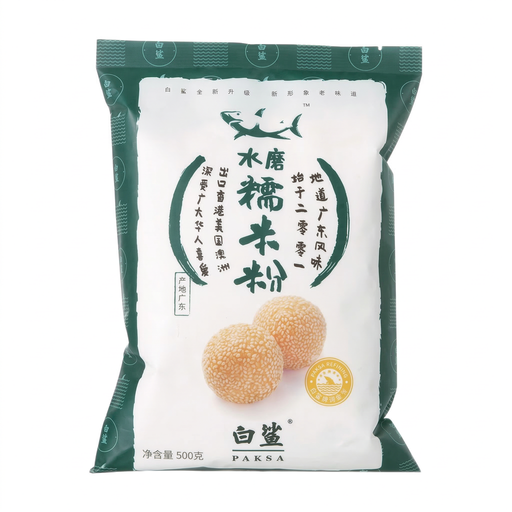
Why This Fits Their Persona: This is for the adventurous cook looking to recreate authentic Asian desserts. They need a specific flour to achieve the unique soft, sticky and chewy texture central to dishes like mochi, rice cakes and tangyuan.
It prevents the pitfall of using the wrong grain. This is a 100% glutinous rice flour, not a wheat or standard rice flour, ensuring the correct chewy, elastic result that is impossible to replicate with other types.
The water-milling process produces an exceptionally fine and smooth flour. This leads to a superior, non-gritty texture in the final dessert, which is a hallmark of high-quality Asian pastries.
We have compiled a complete, real-time list of products that fully satisfy these strict selection criteria and UK safety regulations.
Yes, you can. Self-raising flour is simply plain flour with a raising agent (like baking powder) already added. As a general rule, for every 150g of plain flour, you should add 2 teaspoons of baking powder to achieve a similar rise. This gives you more control over the leavening in your recipes.
In the UK, these terms are often used interchangeably. Both bread flour and strong white flour refer to high-protein wheat flour specifically milled for making bread. They provide the necessary gluten structure for a good rise and a chewy crumb. You can confidently use either when a recipe calls for one or the other.
Flour should be stored in a cool, dry place away from direct sunlight. Once the bag is opened, it is a good idea to transfer the flour to an airtight container. This protects it from moisture, which can cause it to spoil and prevents pests from getting in, ensuring your baking flour stays fresh for longer.