
24/7 Customer Support

Free returns

Same-day & Next-day Delivery

Quality Guaranteed

Unlock Your Welcome Offers: FREE Delivery | Up to 80% OFF | Free 30-day JoyPlus trial
Download the APP
Baking mixes can make home baking more convenient, particularly when you want a quick family activity, an afternoon tea treat or a cake for a last-minute celebration. However, attractive packaging does not always tell you what matters most in the kitchen.
The main buying pitfalls are usually unclear preparation requirements, ignored allergen information and poor portion planning. A “just add water” cake mix may still need oil, eggs, a suitable tin and a carefully controlled oven temperature. A large multipack may offer a lower price per pouch but create unnecessary waste if you only bake occasionally. Meanwhile, flavour names such as chocolate fudge, red velvet or lemon do not replace checking the actual ingredients and quantities.
Before choosing baking mixes, use the following checks to make a practical comparison.
UK food packaging should clearly identify ingredients and regulated allergens, but shoppers still need to read the label rather than rely on the product title. Common allergens in cake mix, chocolate cake mix, cookie mix and brownie mix include:
A gluten-free cake mix can be useful for households avoiding gluten, but check the complete packaging advice, including possible traces of milk, egg or soya. “Suitable for vegetarians” does not mean allergen-free, and a vegetarian product may still contain dairy or egg.
The number of added ingredients affects both convenience and the final cost. Some mixes require only water and oil, while others need eggs, butter, oil and water. For example, Wright’s Chocolate Fudge Cake Mix 500g requires 200ml water and 60ml vegetable oil, whereas several vanilla cake mixes require three medium eggs as well.
Check your cupboard before ordering. A low-priced pouch can become less economical if you need to buy several additional ingredients. Also consider whether the instructions suit your equipment: UK oven settings may be listed as fan temperature, conventional temperature and Gas Mark.
Compare the stated yield rather than pack weight alone. A 425g vanilla cake mix may make two 20cm cakes or around 12 portions, while a brownie mix may make 16 smaller pieces. Cookie mixes vary according to the size of each portion.
Look for:
Do not eat raw flour, dough or unbaked batter. Follow the preparation and cooking instructions, especially when baking with children.

Why This Fits Their Persona: A straightforward option for beginners and families who want one adaptable chocolate bake without buying multiple specialist ingredients.
The preparation list is clearly defined: add water and vegetable oil, then bake according to the stated oven settings. This makes hidden ingredient requirements easier to budget for.
The 500g mix can be used for a round cake, cupcakes, traybakes or chocolate fudge pudding. It is suitable for vegetarians.
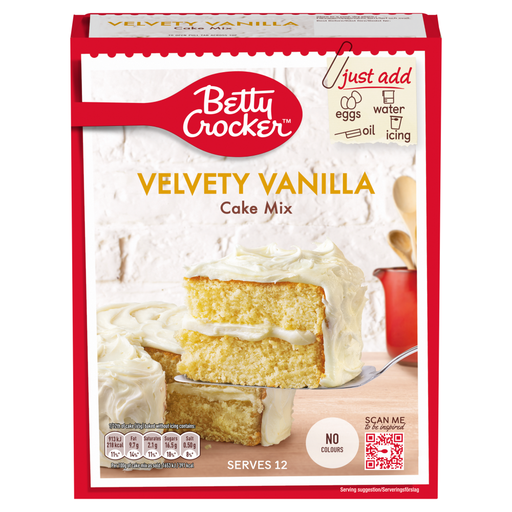
Why This Fits Their Persona: A useful base for celebration cakes, Victoria Sponge-style layers, afternoon tea and custom decoration.
The pack specifies the added eggs, water and oil, plus two 20cm tins and a 22–27 minute baking time, helping shoppers plan accurately.
Approximately 12 portions; suitable for layering with jam and icing. The mix contains wheat and may contain milk, egg and soya.
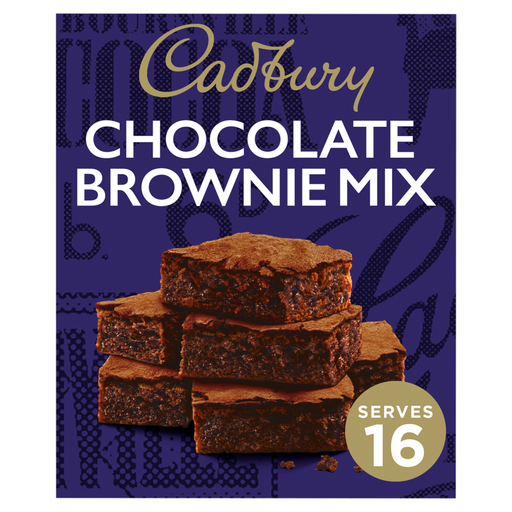
Why This Fits Their Persona: Suitable for shoppers who specifically want portioned brownies for sharing, packed lunches or family baking sessions.
It states a yield of 16 brownies and identifies the additional eggs, oil and water, making serving and shopping plans more transparent.
Designed as a three-step brownie mix with a stated baking time of approximately 20 minutes. Contains wheat, egg and dairy.

Why This Fits Their Persona: A convenient chocolate option for households looking for a gluten-free cake mix, subject to checking the current pack and kitchen preparation conditions.
The ingredients use rice flour and starches rather than wheat flour. Always read the package for the latest allergen and “may contain” information.
Uses rice flour, potato starch and corn starch. It may contain egg, milk and soya, so it requires careful label checking.
For more flexible easy home baking, keep a few single spices in the cupboard. Cinnamon powder works in apple pie, biscuits, pancakes, porridge and cake batter. A 32g jar suits occasional use, while a 100g pack may be more practical for frequent bakers.
Five spice powder is generally more useful in savoury cooking than in standard cakes, but its cinnamon, star anise, fennel, coriander and Sichuan pepper profile can add warmth to selected biscuits or creative bakes. Use it sparingly and check the label for liquorice-related warnings.
For lemon cake mix, vanilla cake mix, red velvet cake mix, ginger cake mix and chocolate chip cookie mix, compare added ingredients, portion yield and allergen advice before choosing a flavour.
We have compiled a complete, real-time list of products that fully satisfy these strict selection criteria and UK safety regulations.
They can reduce the number of cupboard ingredients and preparation time, but the total cost depends on added eggs, butter, oil, icing and decorations. Compare the full recipe cost and serving yield rather than pouch price alone.
Follow the pack instructions. In general, keep unused dry mix sealed in a cool, dry place and use it before the stated date. Once baked, store the cake, biscuits or brownies in an airtight container where instructed; some products can also be frozen.
Children can help measure, stir and decorate under adult supervision. Keep them away from hot ovens and trays, and do not allow them to eat raw dough or batter. Always check allergens before serving.