
24/7 Customer Support

Free returns

Same-day & Next-day Delivery

Quality Guaranteed

Unlock Your Welcome Offers: FREE Delivery | Up to 80% OFF | Free 30-day JoyPlus trial
Download the APP
Dry lips, rough hands, cracked heels and irritated skin can all lead shoppers towards balms. However, a product designed for lips may not be suitable for a baby’s nappy area, while a rich face balm may contain fragrance that does not suit sensitive skin. The right choice depends on the intended body area, formula and how often you plan to use it.
This guide explains the practical details to check before buying, then matches several options to different UK shopping needs.
“Balm” describes a texture and product format, not a single function. A lip balm is made for the delicate skin on the lips, whereas a nappy rash ointment, pet paw balm or foot balm has a different intended use. Check the product’s directions and stated application area rather than relying on the word “soothing”.
A skin balm may help protect dry patches, but it should not automatically be used around the eyes, on broken skin or on a baby without checking the label.
A natural balm can still contain beeswax, essential oils, fragrance or nut-derived oils. These ingredients may not suit everyone, particularly people looking for a sensitive skin balm, babies or anyone with known allergies.
Likewise, “vegan balm” usually means the formula contains no animal-derived ingredients, but this does not necessarily mean it is fragrance-free or suitable for every skin type. Review the complete ingredient list and warnings before purchase.
Occlusive ingredients such as petrolatum, waxes, lanolin and zinc oxide can form a layer that helps reduce contact with moisture or environmental dryness. That is different from treating an underlying medical condition.
For persistent redness, bleeding, infection, severe cracking or symptoms that do not improve, stop using the product and seek advice from a pharmacist or healthcare professional. Do not use a cosmetic balm as a substitute for prescribed care.
A physical barrier can be useful when skin is exposed to wet nappies, cold wind, frequent hand washing or rough surfaces. Zinc oxide, dimethicone, beeswax and petrolatum are examples found in different protective products.
Check for potential sensitivities, including:
“Hypoallergenic” is not a guarantee that a product cannot cause an individual reaction. Patch testing a small area, where appropriate, can help identify sensitivity. Always follow the packaging instructions.
Sticks and small tubes are convenient for pockets, changing bags and travel. Larger tubs or tubes may offer better value for regular household use, but avoid dipping dirty fingers into a container if applying to irritated skin.
A thick ointment may be useful for overnight protection, while a lighter moisturising balm can be more comfortable during the day. In the UK, cold weather, indoor heating and frequent washing can all affect how often a balm is needed.
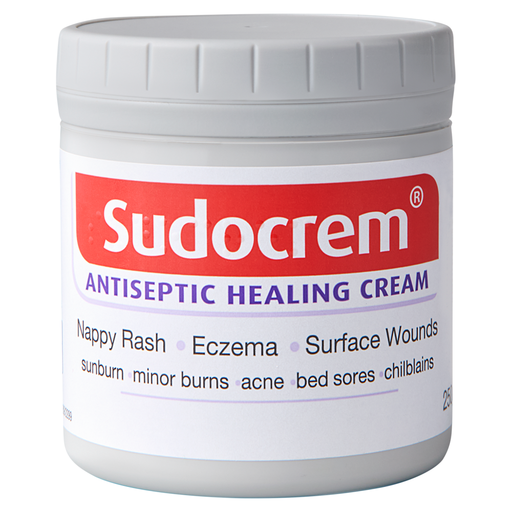
Why This Fits Their Persona: A larger 250g format suits households wanting one multi-purpose cream for occasional minor skin irritations and nappy-care use.
Its stated uses and ingredient information are clearly provided, making it easier to distinguish a barrier cream from a general moisturiser.
Contains 15.25% zinc oxide and 4% lanolin; suitable from birth according to the supplied product information.
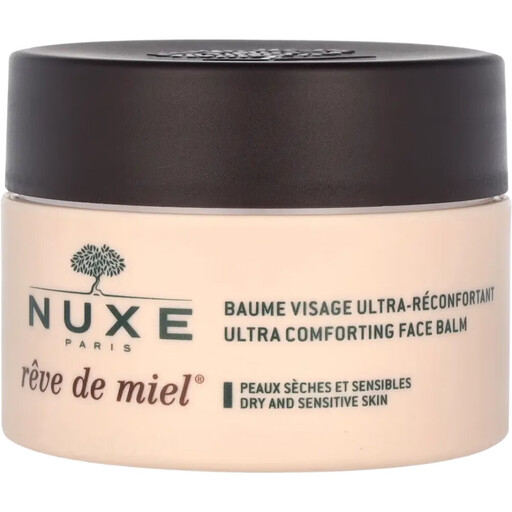
Why This Fits Their Persona: Suits shoppers seeking a rich face balm for dry or sensitive-feeling skin during cold, windy UK weather.
The product page identifies its rich texture, application area and fragrance, helping shoppers assess whether it matches their preferences.
Includes honey, propolis and botanical oils; intended for the face and neck with a 50ml size.
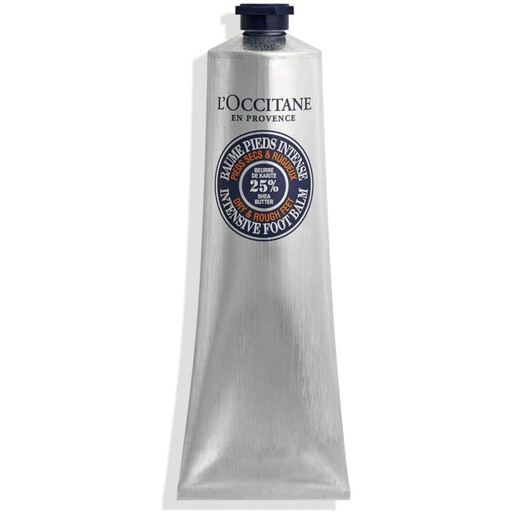
Why This Fits Their Persona: Designed for shoppers who regularly manage rough, dry feet and want a larger format for routine use.
It is specifically labelled for feet, so shoppers do not need to repurpose a face or lip product for areas exposed to friction and roughness.
150ml format with shea butter, glycerin, panthenol and sunflower seed oil.
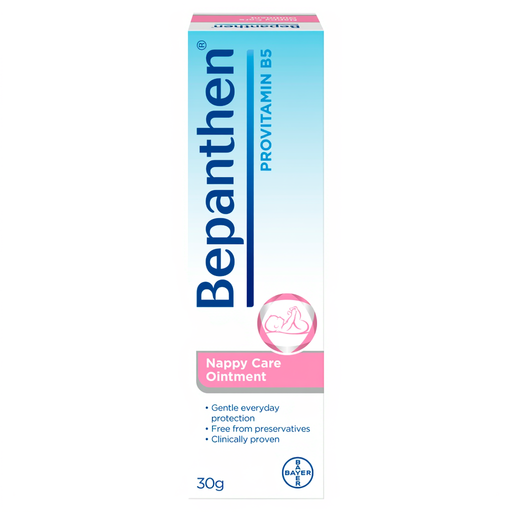
Why This Fits Their Persona: A compact nappy-care option for changing bags and families wanting a fragrance-free, colour-free and preservative-free formula.
Its stated purpose is everyday nappy care, rather than a vague all-over balm claim, and the directions specify applying a thin layer to clean, dry skin.
Contains panthenol and lanolin; supplied information states suitability from birth and no need to remove before the next application.
We have compiled a complete, real-time list of products that fully satisfy these strict selection criteria and UK safety regulations.
Choose a dedicated lip balm with moisturising and barrier-forming ingredients, then check for fragrance, cooling agents and allergens if your lips are sensitive. Options include traditional lip sticks, overnight formulas and tinted or vegan balm formats. Avoid applying products intended for feet, pets or nappy care to the lips unless the label specifically permits it.
Follow the product directions. Lip balm may be reapplied after eating or drinking, while hand balm is useful after washing. A foot balm can be applied to clean, dry feet, often as part of an evening routine. More product is not always more effective: a thin, even layer is generally easier to manage and less likely to transfer onto clothing.
Only if the label states that it is suitable for the relevant age and skin area. Check whether it is a daily barrier product, a nappy rash ointment or a general moisturiser. Do not apply to badly cracked, bleeding or infected skin without professional advice, and discontinue use if irritation develops.