
24/7 Customer Support

Free returns

Same-day & Next-day Delivery

Quality Guaranteed

Unlock Your Welcome Offers: FREE Delivery | Up to 80% OFF | Free 30-day JoyPlus trial
Download the APP
A runny nose, hay fever or a lingering cold can quickly make ordinary facial tissues feel rough. Balsam tissues are designed with a lotion, balm or moisturising coating intended to make frequent wiping feel more comfortable. However, not every pack suits every household, and attractive claims can obscure practical differences in sheet count, portability and materials.
This guide from the Joybuy Product Recommendation Officer focuses on the details that matter when choosing tissues for colds and flu, sensitive skin, commuting, family use or lower-plastic shopping.
A large outer pack does not always offer the lowest cost per sheet. Compare the total number of tissues, not simply the number of boxes or pocket packs. A pack may also contain fewer sheets per individual unit, which matters if several family members are using tissues throughout the day.
Softness can come from tissue layering, fibre choice or a lotion coating. Balsam tissues, aloe vera tissues and moisturising facial tissues may feel different from uncoated paper. Anyone with known sensitivities should check the ingredient or material information, particularly where the product includes balsam, aloe vera, vitamin E, glycerine or fragrance-related ingredients.
These products are for external, everyday use rather than medical treatment. Stop using them if irritation occurs and follow the packaging instructions.
Pocket tissues may be convenient but individually wrapped packs can create more packaging. Bamboo tissues may offer an alternative for shoppers seeking renewable fibres, while “plastic-free” packaging still needs to be disposed of according to local UK recycling or composting guidance. Used tissues should go in a bin rather than the toilet; wipes should never be flushed unless the packaging specifically says they are suitable for flushing.
Check the ply count, sheet dimensions and stated sheet quantity. Three-ply tissues provide three layers, while four-ply options may offer a thicker feel. More layers do not automatically mean better value, so balance thickness with the intended use.
For frequent nose blowing, look for a combination of softness and strength. Pocket tissues need to remain compact, whereas cube or flat boxes can provide easier access at a desk, bedside table or in a shared living space.
Balsam tissues may contain a protective balm or lotion coating. Some products list ingredients such as aloe vera, vitamin E, calendula, glycerine or plant-based extracts. Read the product label if you prefer a particular formulation or need to avoid a known ingredient.
A moisturising coating can change how the tissue feels and may be useful for repeated wiping, but it can also be less suitable for shoppers who prefer plain, uncoated paper. Product descriptions and packaging should be treated as the source for the final ingredient information.
Traditional facial tissues commonly use cellulose or wood pulp. Other options include bamboo tissues made from bamboo fibres. Check whether sustainability statements refer to the tissue, the packaging or both. FSC certification, recycled content and plastic-free packaging are separate considerations, and claims should be checked against the product details.
Also consider storage. Bulk tissue packs need a cool, dry place, while pocket packs are useful for handbags, school bags, cars and office drawers.
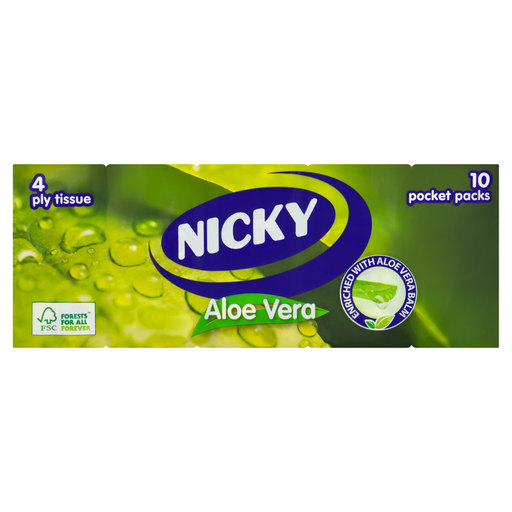
Why This Fits Their Persona: Ten pocket packs provide a practical starting point for commuters, students or households wanting to keep tissues in several bags and rooms.
The listing specifies 10 packs, 9 tissues per pack and 4-ply construction, making the quantity easier to assess before purchase.
Aloe balsam, 100% virgin pulp material and FSC-certified sourcing are listed features.
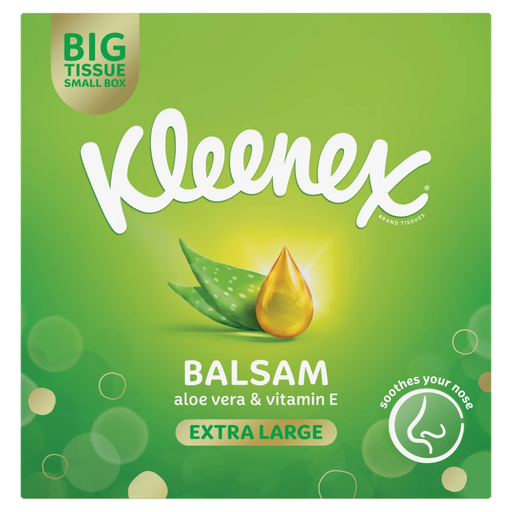
Why This Fits Their Persona: The extra-large format suits bedside tables, home offices and anyone who prefers a larger sheet during cold and flu season.
The product is identified as a single compact box, so shoppers can distinguish it from multi-box or pocket formats.
The listed formulation includes aloe vera, vitamin E and a protective balm; it is described as soft for sensitive noses.
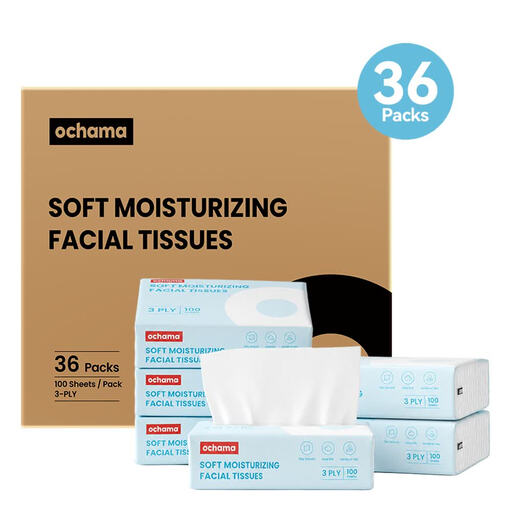
Why This Fits Their Persona: A 36-pack bulk format is suited to large households, shared offices or regular users who want fewer repeat purchases.
The listing states 100 sheets per pack and 36 packs in total, allowing a direct comparison with smaller bulk tissue packs.
Three-ply virgin wood pulp tissues with a stated moisturising cream coating and 3,600-sheet capacity.
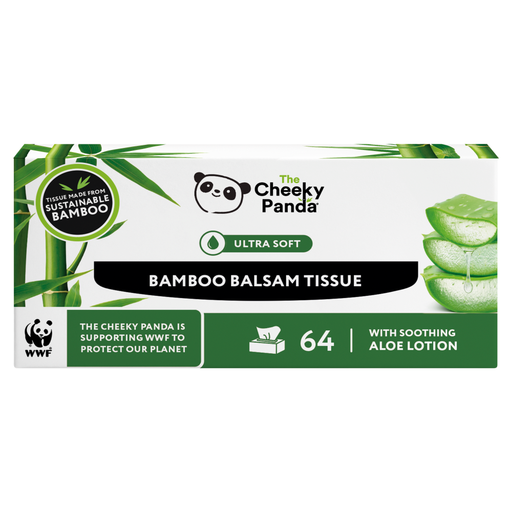
Why This Fits Their Persona: This pocket-sized bamboo option suits shoppers who want portable tissues and are considering alternatives to conventional wood-pulp products.
The material and packaging details are stated separately: bamboo fibre, FSC certification and plastic-free packaging.
The product is listed as three-ply, balsam-enriched and supplied in plastic-free packaging.
We have compiled a complete, real-time list of products that fully satisfy these strict selection criteria and UK safety regulations.
They are designed for wiping and may feel more comfortable than uncoated tissues because of their balm or lotion coating. They are not a treatment for a cold, flu or skin condition. Check the ingredients and stop using the product if irritation develops.
Shelf life and storage guidance vary by product. Keep unopened and opened packs in a cool, dry place, away from moisture and direct sunlight. For a household, estimate usage by dividing the total sheet count by the number of tissues used each day. Bulk packs can reduce repeat shopping but require suitable storage space.
Bamboo tissues can appeal to shoppers seeking renewable fibre options, but the overall environmental impact also depends on processing, certification, packaging, transport and disposal. Look for specific information such as FSC certification or plastic-free packaging rather than relying on broad environmental wording alone.