
24/7 Customer Support

Free returns

Same-day & Next-day Delivery

Quality Guaranteed

Unlock Your Welcome Offers: FREE Delivery | Up to 80% OFF | Free 30-day JoyPlus trial
Download the APP
Choosing a bottle of BBQ sauce can seem straightforward, but attractive labels often leave out the details that matter when you start cooking. A sauce may taste pleasant as a dip yet burn quickly on a hot grill, or a large bottle may offer poor value if it must be discarded soon after opening.
This guide explains the practical points UK home cooks should check before buying, from sugar and salt levels to allergen information, flavour intensity and the difference between a marinade and a finishing glaze.
A thick, sweet BBQ glaze can caramelise well during the final minutes of grilling, but it may scorch if applied too early over direct heat. Conversely, a thinner BBQ marinade may add flavour before cooking but lack the cling needed for a glossy finish.
Check the label for recommended uses. Some sauces are designed for marinating, glazing, dipping or stir-frying, while others are more specialised.
Marketing language does not always explain how a sauce will taste. A smoky BBQ sauce could use smoke flavouring, smoked paprika, molasses or a combination of these. “Spicy” may refer to black pepper, chilli or Scotch Bonnet peppers, each with a different intensity.
For a family meal, a sweet BBQ sauce or mild bulgogi sauce may be more practical. If you prefer pronounced heat, look for identifiable ingredients such as Scotch Bonnet, chipotle or red chilli.
Many BBQ sauces contain substantial amounts of sugar and salt because these ingredients contribute to their sweet, savoury flavour. For example, the listed nutrition information varies considerably across products, so comparing the per 100g or per 100ml values is more useful than relying on front-of-pack wording.
Once opened, sauces generally need refrigeration. The recommended consumption period can range from around four weeks to twelve weeks, depending on the product. Always follow the packaging rather than assuming a bottle will remain suitable indefinitely.
Choose the style that matches the food and the people eating it:
For glazing, choose a sauce that is thick enough to cling to food. Apply it during the final 5–10 minutes of grilling or roasting if it contains considerable sugar. For marinating, consider whether the product gives a recommended marinating time and whether the meat should be refrigerated during preparation.
A sauce labelled for dipping can be served directly with cooked food. If it has touched raw meat, do not reuse it unless it has been thoroughly boiled according to safe food-handling practice.
In the UK, allergens are highlighted in ingredient lists, but you should still inspect every label because recipes can vary. Common allergens in these products include soya, wheat, sesame, mustard and barley. Some products may also carry “may contain” warnings.
Pack size should match your usage. A 500g bottle may suit regular family barbecues, while a 142ml or 180g bottle can be sensible when trying a strong flavour such as jerk or wasabi. Check storage instructions after opening and consider how quickly you are likely to use the sauce.
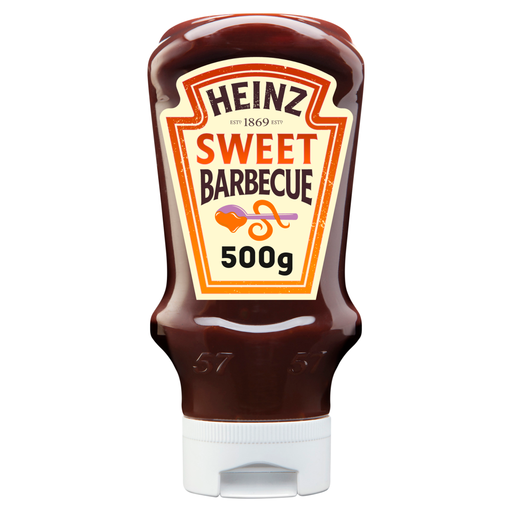
Why This Fits Their Persona: A larger bottle suits households wanting one familiar sauce for burgers, ribs, chicken, wedges and dipping without buying several specialised varieties.
Its stated uses include dipping, glazing and marinating, helping beginners avoid buying a sauce designed for only one cooking method.
500g quantity; no allergenic ingredients listed; suitable for vegetarian meals according to the product information.

Why This Fits Their Persona: Suitable for cooks who want to prepare Korean-style beef or ribs at home with a ready-to-use marinade and finishing sauce.
The listed ingredients clearly indicate soy, pear, onion, garlic, ginger and sesame oil rather than relying only on broad “authentic” wording.
300g pack; ready to use for beef, pork or chicken; made in South Korea; refrigerated storage is specified after opening.
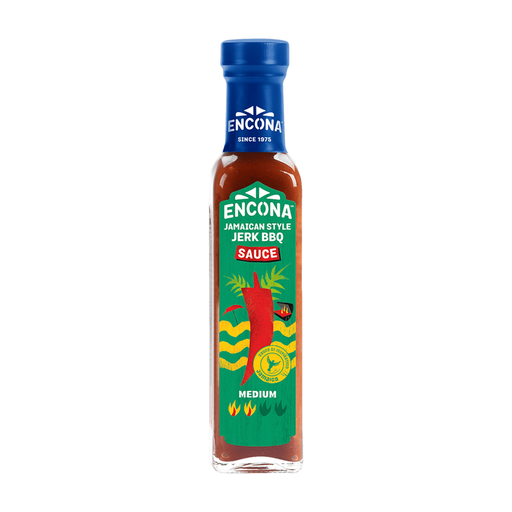
Why This Fits Their Persona: Designed for shoppers who specifically want Jamaican jerk flavour for chicken, ribs, grilled vegetables or dipping.
The ingredient list identifies Scotch Bonnet peppers, allspice, thyme and smoke flavouring, making the heat and style easier to judge.
Suitable for marinating, basting and dipping; allergen information lists no allergens; refrigerated use within eight weeks is stated after opening.
We have compiled a complete, real-time list of products that fully satisfy these strict selection criteria and UK safety regulations.
Some products provide instructions for overnight marination, while others recommend around 30 minutes. Follow the individual label, keep raw meat refrigerated and discard any sauce that has contacted it unless it is safely cooked.
There is no single lifespan. Product guidance in this range includes approximately four, six, eight and twelve weeks after opening. Refrigerate the bottle when instructed, close it securely and check for changes in smell, colour, texture or mould before use.
Yes, but sweet sauces can burn over direct high heat. Cook the food first, then brush on the sauce during the final few minutes, turning carefully so it caramelises without blackening.