
24/7 Customer Support

Free returns

Same-day & Next-day Delivery

Quality Guaranteed

Unlock Your Welcome Offers: FREE Delivery | Up to 80% OFF | Free 30-day JoyPlus trial
Download the APP
From a cherished leather sofa that anchors your living room to the supple seats of your car or a favourite handbag, quality leather goods are an investment in style and durability. However, maintaining their rich appearance requires the right care. Many products on the market promise miraculous results but can fall short, or worse, cause long-term damage.
As the Joybuy Product Recommendation Officer, my role is to help you navigate these choices. Let's look at the common pitfalls in leather care and how to select a product that genuinely nourishes and protects, ensuring your leather items remain beautiful for years to come.
Before you buy, be aware of these two frequent issues that can lead to disappointing results and wasted money:
To avoid these traps, focus on a few core parameters. Understanding these will help you choose a product that offers genuine, lasting benefits for your leather goods.
The single most important factor is the formula's composition. For true nourishment, look for a non silicone leather conditioner. The ideal ingredients are natural waxes and oils that mimic and replenish the leather's own lubricants.
The format of the conditioner matters and should match your item's needs.
Based on these principles, here are a few product recommendations tailored to different needs and user profiles.
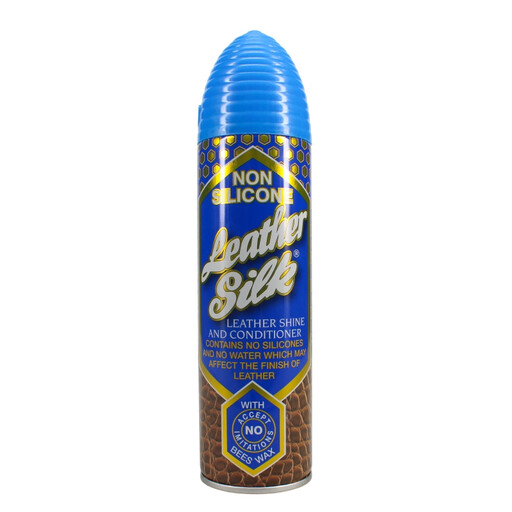
Why This Fits Their Persona: This user values their high-quality leather furniture and car interiors and seeks a product that provides genuine, long-term care. They are knowledgeable enough to want to avoid damaging silicones and prefer a traditional, effective solution.
Its formula is explicitly silicone-free and water-free, directly countering the primary pitfall of modern conditioners. It nourishes from within rather than just coating the surface with an artificial shine.
Formulated with natural beeswax and nutrient oils, it deeply replenishes leather, restores original colour and provides a protective, breathable finish. Suitable for both real and synthetic leather.
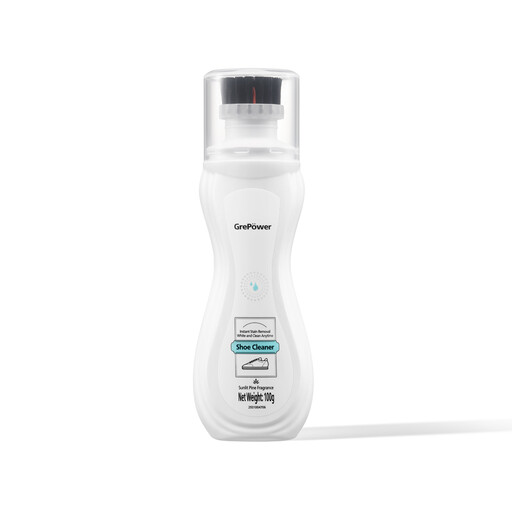
Why This Fits Their Persona: This user needs practical, time-efficient solutions for maintaining their leather shoes and accessories. For them, proper care starts with a clean surface, which is an essential first step before any conditioning treatment.
It avoids the "all-in-one" trap by focusing on one job: cleaning. Applying conditioner over dirt seals it in, accelerating damage. Using a dedicated cleaner first ensures the conditioner can penetrate properly.
Its convenient spray-and-wipe design requires no water, making it ideal for quick and gentle removal of daily dirt from leather, suede and other materials before you apply a dedicated conditioner.
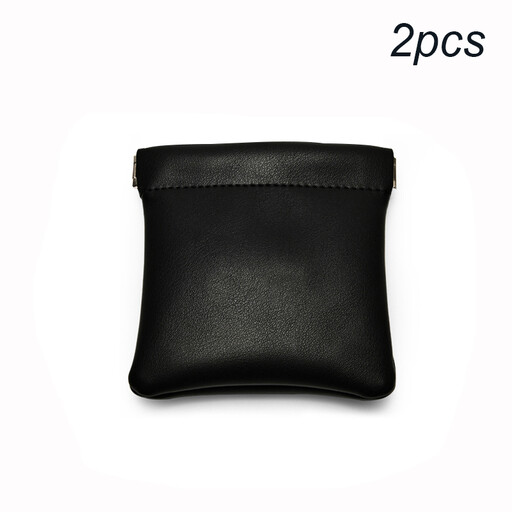
Why This Fits Their Persona: This user understands that caring for a luxury leather handbag goes beyond just conditioning its exterior. They want to protect the soft interior lining from scratches and spills from loose items like keys, cosmetics or jewellery.
It prevents a common form of damage that conditioners cannot fix: physical scratches and stains on the inside of a bag. Using a pouch is a proactive step to maintain the overall value and condition of your leather goods.
Made from durable PU leather with a secure automatic seal, this pouch keeps small, hard or messy items contained, protecting the delicate interior of your primary leather bag from damage.
We have compiled a complete, real-time list of products that fully satisfy these strict selection criteria and UK safety regulations.
1. How often should I use beeswax leather conditioner? For items used daily, like shoes or a handbag, a light application every 2-3 months is usually sufficient. For furniture or car seats, conditioning every 6-12 months is a good rule of thumb. If the leather is in direct sunlight or a very dry environment, you may need to treat it more frequently. Always apply to a clean, dry surface.
2. Can I use beeswax conditioner on synthetic or PU leather? While some beeswax formulas, like the Aristowax product mentioned, are suitable for synthetic leather, it's not always necessary. Synthetic materials are non-porous and do not dry out in the same way as genuine leather. A conditioner won't harm them, but it also won't be absorbed. For PU leather, a simple wipe with a damp cloth is often all that is needed for cleaning.