
24/7 Customer Support

Free returns

Same-day & Next-day Delivery

Quality Guaranteed

Unlock Your Welcome Offers: FREE Delivery | Up to 80% OFF | Free 30-day JoyPlus trial
Download the APP
As a Joybuy Product Recommendation Officer, my role is to help you navigate the crowded market of home care products. When it comes to caring for cherished wood furniture, choosing the right polish is crucial. A common question we see from UK homeowners is about finding a quality silicone free wood polish, and for good reason. The wrong product can do more harm than good over time.
Many are drawn in by promises of instant, mirror-like shine, only to find their furniture's finish dulled by a stubborn, hazy film months later. This guide will help you understand the common pitfalls of furniture care and show you how to select a polish that truly protects and enhances your wood pieces.
Before you buy, be aware of these frequent issues that can lead to disappointing results and even damage to your furniture:
To ensure you're making a sound investment in your furniture's longevity, focus on these core parameters.
The fundamental difference lies in how the polish interacts with the wood.
Not all polishes work on all surfaces. High-gloss formulas can leave unsightly streaks on satin or matt finishes. Conversely, a wax-heavy polish might dull a modern, lacquered piece. Always check the product label to ensure it is compatible with your specific polish for wood furniture, whether it's gloss, satin or a delicate furniture polish for matt finish. If in doubt, test on a small, inconspicuous area first.
The choice between an aerosol wood polish and a liquid or cream often comes down to convenience versus control.
We've selected a few products that align with these quality principles, matching them to different UK households and their specific furniture care needs.
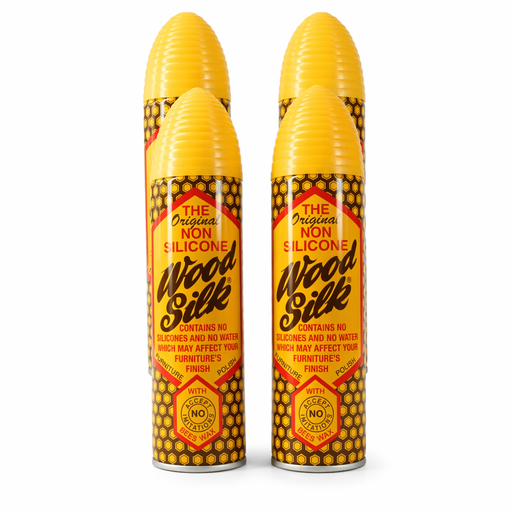
Why This Fits Their Persona: This user values preservation and authenticity for their solid wood or antique furniture. They need a product that nourishes and protects using traditional, trusted ingredients, avoiding modern chemicals that can cause long-term damage.
Its explicitly silicone-free and water-free formula directly counters the "Instant Shine" trap, preventing the hazy build-up that ruins valuable finishes.
Contains natural beeswax and nutrient oils to replenish wood, preventing drying and cracking. It is versatile and suitable for gloss, satin and matt wood finishes.
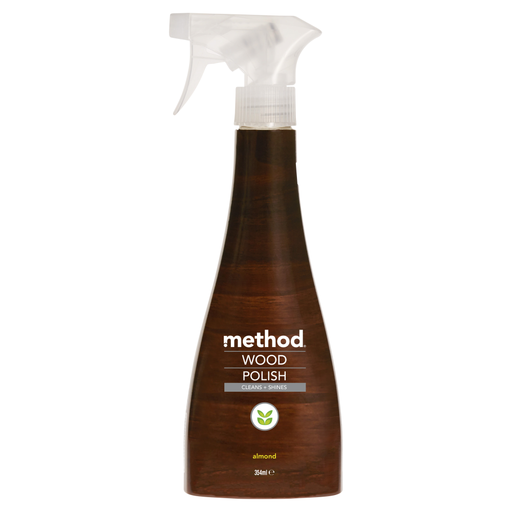
Why This Fits Their Persona: This user has contemporary sealed wood furniture and prioritises products that are plant-based, biodegradable and cruelty-free. They want an effective polish that aligns with a sustainable lifestyle in their UK home.
It avoids the "Misleading Natural" trap with a transparently plant-based formula that is free from parabens, phthalates and other harsh chemicals, focusing on gentle cleaning.
Cleans dust and grime from sealed wood surfaces, leaving a streak-free, non-sticky satin finish. The formula is biodegradable and comes with a pleasant almond fragrance.
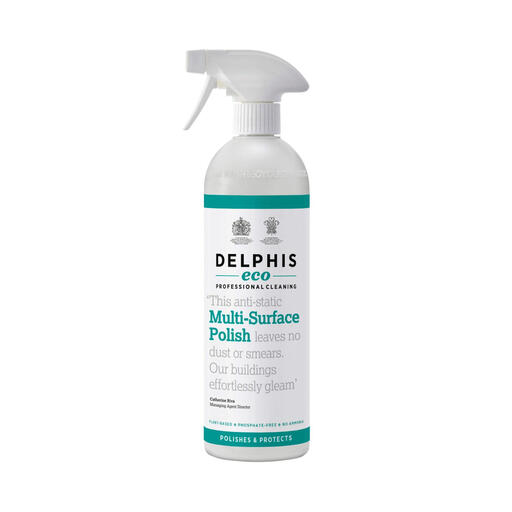
Why This Fits Their Persona: This user needs an efficient, reliable and safe cleaning solution for a busy home. They appreciate products that can handle multiple tasks without requiring a cupboard full of different bottles, while still being gentle on wood.
It avoids the "One-Size-Fits-All" myth by being a thoughtfully formulated multi-surface product that is explicitly safe for wood and free from damaging ammonia and petroleum solvents.
Its anti-static formula cleans, polishes and protects multiple hard surfaces while reducing future dust build-up. It is plant-based, made in Britain and packaged in 100% recycled plastic.
We have compiled a complete, real-time list of products that fully satisfy these strict selection criteria and UK safety regulations.
Yes, but it is essential to choose a product that is explicitly stated as suitable for a furniture polish for matt finish. Heavy wax or gloss-enhancing formulas can create an unwanted sheen and ruin the intended look. A product like the Non Silicone Wood Silk polish, which is designed for multi-finish compatibility, is a suitable choice as it enhances the wood without adding a high-gloss layer.
This depends on the type of wood, its finish and its exposure to sunlight and use. For high-traffic items like dining tables, polishing every three to four months may be necessary. For less-used pieces like bookcases or sideboards, once or twice a year is often sufficient. The key is to observe the wood; if it looks dry or dull, it's time for a nourishing polish. Avoid over-polishing, as even good products can build up if applied too frequently.
Beeswax furniture polish is a time-tested solution renowned for its ability to feed, nourish and protect wood while providing a rich, warm glow. It's particularly effective for older, antique or unsealed wood. Other natural polishes might use different waxes like carnauba (known for a harder, shinier finish) or plant-based oils. The "better" choice depends on your furniture's specific needs and your desired aesthetic. For deep nourishment and a classic lustre, beeswax is an excellent standard.