Basmati rice is a staple in many UK kitchens, prized for its delicate aroma and long, slender grains that cook up light and fluffy. Yet, navigating the choices on the supermarket shelf can be confusing. From wholegrain varieties to specialised grains for biryani, finding the right one can make all the difference to your meal.
As your Joybuy Product Recommendation Officer, my role is to help you understand these differences. This guide will walk you through the key factors to consider when choosing basmati rice and highlight some excellent options available, so you can feel confident in your purchase.
How to Choose Your Ideal Basmati Rice
Before you fill your basket, consider these points. They will help you match the right rice to your cooking style and personal values.
1. Understanding the Types: White, Brown and Golden Sella
The variety of basmati you choose will significantly impact your dish's texture, flavour and nutritional profile.
- Pure or White Basmati: This is the most common type. The husk, bran and germ are removed, resulting in elegant, long white grains with a delicate flavour. It cooks relatively quickly and is incredibly versatile, making it a great all-rounder for curries and side dishes.
- Wholegrain (Brown) Basmati Rice: For a healthier option, brown basmati rice is an excellent choice. Only the outer husk is removed, leaving the nutrient-rich bran and germ intact. This gives the rice a nuttier flavour, a firmer texture and a higher fibre content. It takes longer to cook but offers a more robust character.
- Golden Sella Basmati Rice: This variety, also known as parboiled rice, undergoes a unique steam-treatment process before the husk is removed. This process hardens the grain and locks in nutrients, giving it a distinctive golden hue. The key benefit is its resilience; the grains remain firm and separate even during long cooking, making it the go-to rice for biryani, pilafs and other layered dishes.
2. The Importance of Grain Quality and Sustainability
Not all basmati is created equal. The quality of the grain and how it's farmed are increasingly important considerations for many home cooks.
- Grain Length: True basmati is a long grain rice. High-quality grains will elongate to almost twice their original length when cooked, without breaking or becoming sticky. This is a hallmark of authentic, well-aged basmati.
- Sustainable Rice: Traditional rice farming can be resource-intensive. If environmental impact is a concern, look for brands that partner with farmers using water-saving techniques and methods that reduce CO? emissions. Choosing sustainable rice supports a healthier planet and often means a better deal for the farming communities involved.
Recommended Basmati Rice Picks
Based on their distinct characteristics and intended uses, here are our recommendations for your kitchen pantry.
Nice Rice Wholegrain Basmati Bag 1kg

- Why It Stands Out: This wholegrain basmati rice is an excellent choice for those who prioritise both health and sustainability. Sourced from a single-origin, heritage variety in Haryana, India, it’s produced by farmers committed to sustainable practices. According to the brand, their farming partners cut CO?-equivalent emissions by 49% and are paid a premium for their commitment.
- Pros:
- Rich, nutty flavour and satisfyingly firm texture.
- High in natural fibre (4.0g per 100g uncooked).
- Sourced from farmers using water-conserving methods.
- The brand donates 2% of revenues to train more farmers in sustainable practices.
- Who is it for: The environmentally and health-conscious cook. It’s perfect for wholesome pilafs, grain bowls or as a nutritious accompaniment to lentil dahls and vegetable curries.
View Nice Rice Wholegrain Basmati on Joybuy
Nice Rice Pure Basmati Bag 1kg
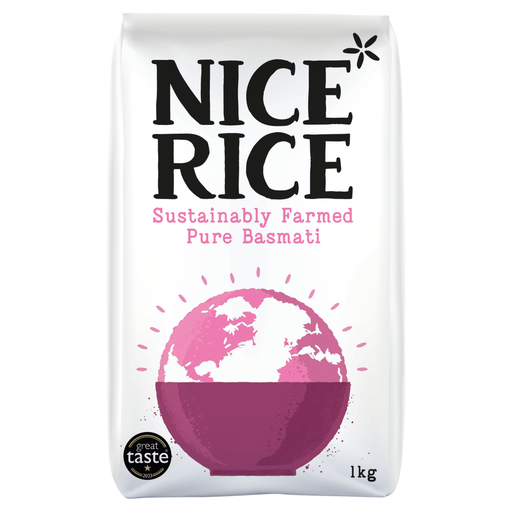
- Why It Stands Out: This is a classic, high-quality white basmati that delivers on the authentic flavour and texture that makes the grain so famous. It carries the same strong sustainability credentials as its wholegrain counterpart and has been recognised by Great Taste Award judges for its impressive long grains and flavour.
- Pros:
- Light, fluffy texture with a characteristic aromatic fragrance.
- Great Taste Award-winning quality.
- Versatile for a wide range of dishes.
- Sourced from farmers using sustainable, low-emission methods.
- Who is it for: Anyone seeking a premium, everyday white basmati. Its clean flavour and fluffy texture make it the perfect canvas for everything from a simple chicken curry to an elaborate Persian-style polo.
View Nice Rice Pure Basmati on Joybuy
Tropical Sun Golden Sella Basmati Rice 5kg

- Why It Stands Out: This is a specialist's rice, designed for dishes where grain integrity is non-negotiable. As a golden sella basmati rice, its parboiled grains are exceptionally resilient, ensuring they remain separate and non-sticky. The extra-long grain quality provides a fantastic texture and visual appeal, making it a reliable choice for restaurant-style results at home. The large 5kg basmati rice bag also offers great value for frequent cooks.
- Pros:
- Parboiled grains that cook up fluffy and perfectly separate.
- Extremely resilient, making it ideal for biryani, pilaf and jollof rice.
- Naturally aromatic with a delicate flavour.
- Large 5kg pack is economical for families and avid cooks.
- Who is it for: Home chefs who love making complex, layered rice dishes. If you've ever struggled with mushy biryani, this is the grain that will solve your problems. It’s also great for meal prepping as the grains hold their texture well upon reheating.
View Tropical Sun Golden Sella Basmati on Joybuy
Looking for Other Options?
Our recommendations cover a range of needs, from daily health to culinary perfection. If you're looking for different pack sizes or other specialised grains, there are many more choices to explore.
Discover our full range of Indian rice and find the perfect match for your pantry.
Explore More Indian Rice on Joybuy
Frequently Asked Questions
What is the difference between basmati rice and long grain rice?
Basmati is a specific variety of long grain rice, distinguished by its unique aromatic compounds and its origin in the foothills of the Himalayas. While all basmati is long grain, not all long grain rice is basmati. Other types of long grain rice, like Carolina Gold or jasmine, have different flavours, aromas and cooking properties.
Should I wash basmati rice before cooking?
Yes, it is highly recommended. Rinsing basmati rice in cold water 2-3 times, or until the water runs clear, removes excess surface starch. This is a crucial step to prevent the grains from clumping together and helps ensure a light, fluffy and separate texture after cooking.
What makes Golden Sella basmati rice yellow?
The golden colour comes from the parboiling process. Before milling, the unhusked rice is steamed and dried. This process gelatinises the starch, hardens the grain and pushes nutrients from the outer bran layer into the starchy endosperm. This not only gives the rice its signature colour and resilience but also helps it retain more nutrients compared to standard white rice.


