
24/7 Customer Support

Free returns

Same-day & Next-day Delivery

Quality Guaranteed
Download the APP
Categories
Navigating the world of matcha can feel overwhelming. You see it everywhere, from coffee shop lattes to health food aisles, but the quality varies dramatically. Many powders on the market are dull in colour and disappointingly bitter, a far cry from the vibrant, smooth and subtly sweet experience that authentic ceremonial grade matcha should offer.
As a Joybuy Product Recommendation Officer, my role is to help you find products that deliver on their promise. This guide is designed to cut through the marketing hype, giving you practical advice on what to look for and offering a few carefully selected recommendations to help you purchase with confidence.
Before we look at specific products, understanding a few key quality indicators will empower you to make a better choice.
The term "ceremonial grade" signifies the highest quality. This matcha is made from the youngest, most tender tea leaves, picked during the first harvest of the year (ichibancha). These leaves are grown in the shade for several weeks before harvesting, a process that boosts chlorophyll and L-theanine content. This is what gives shade grown matcha its brilliant green colour and its characteristic deep, savoury umami flavour matcha with minimal bitterness. For authenticity and stringent quality standards, look for Japanese matcha green tea, as Japan is the historic home of matcha production.
The ingredients list should be simple: 100% pure tea powder. Avoid products with added sugars, milk powders or fillers. If you prioritise farming practices, look for organic matcha powder certified by a recognised body. The processing method is also crucial. Traditionally, the dried tea leaves (tencha) are slowly milled into a fine powder using granite wheels. This stone ground matcha process creates an ultra-fine, silky texture that dissolves easily in water, preventing a gritty mouthfeel.
You can tell a lot about matcha before you even taste it. High-quality premium matcha powder should have a vibrant, almost electric green hue. A dull, yellowish or brownish-green powder often indicates lower quality, older leaves, or improper storage. The flavour should be smooth, complex and mellow, with a balance of natural sweetness and a distinct umami finish. While a hint of bitterness can add depth, it should never be the dominant note. This balanced profile makes it ideal for traditional preparation or for creating a superior matcha for lattes.
Here are a few products that meet the criteria for high-quality matcha, each offering something slightly different for the discerning UK consumer.
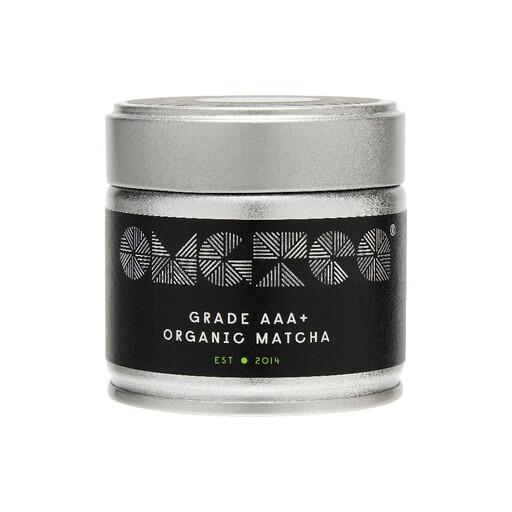
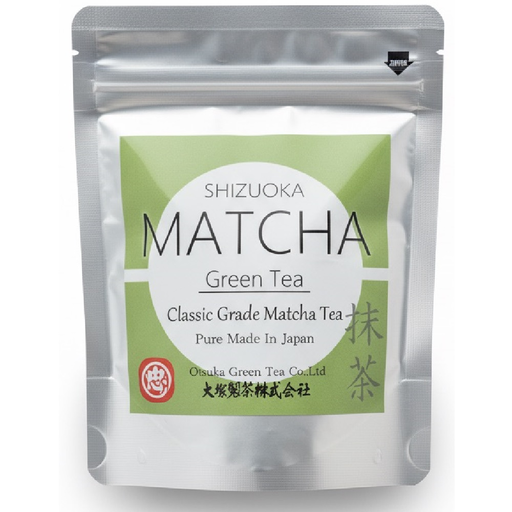
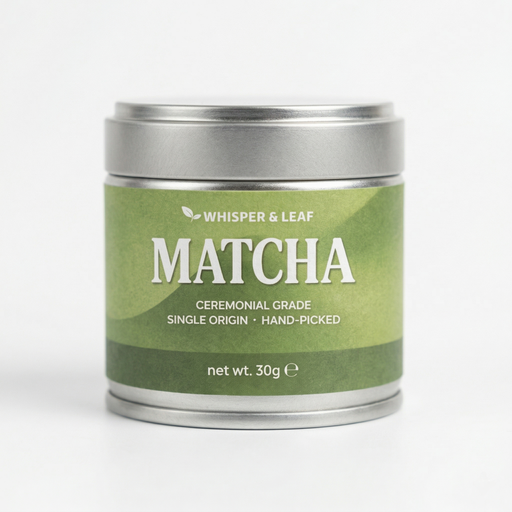
These recommendations represent some of the excellent choices available, but everyone's palate is different. If you're interested in exploring a wider variety of grades, origins and flavour profiles, we invite you to browse our complete collection.
Discover more options in our full matcha powder green tea category.
Ceremonial grade is produced from the youngest leaves of the first harvest, is stone-ground and has a vibrant green colour with a sweet, umami-rich flavour. It is intended to be drunk on its own with water. Culinary grade comes from later harvests, has a more robust and slightly bitter flavour and is best used for cooking, baking or in drinks with milk and sweeteners.
Matcha is delicate and degrades when exposed to light, heat and air. To maintain its freshness, colour and flavour, store it in an airtight container in a cool, dark place. Once opened, it is highly recommended to keep it in the refrigerator and consume it within a few weeks.
Yes, you certainly can. Using ceremonial grade matcha for lattes will produce a noticeably superior drink. It will be smoother, naturally sweeter and have a more brilliant green colour compared to a latte made with culinary grade powder. It elevates a simple latte into a premium café-quality experience at home.