
24/7 Customer Support

Free returns

Same-day & Next-day Delivery

Quality Guaranteed

Unlock Your Welcome Offers: FREE Delivery | Up to 80% OFF | Free 30-day JoyPlus trial
Download the APP
From stocking the office biscuit tin to finding a simple thank-you gift, buying chocolate should be a straightforward pleasure. Yet, UK shoppers often find themselves navigating a maze of misleading packaging and shrinking sizes. A seemingly good deal on a multipack can turn out to be poor value, and a fancy-looking gift box can contain more air than chocolate.
As a Joybuy Product Recommendation Officer, my role is to help you see past the marketing clutter. Before you make your next purchase, be aware of these common pitfalls that can lead to disappointment:
By keeping these points in mind, you can make smarter choices and ensure you get exactly what you're paying for.
To avoid these traps, focus on a few core details. These objective markers will help you assess the true value and suitability of any chocolate product, whether it's for a family chocolate selection or for stocking up on office snacks chocolate.
The single most effective way to determine value is to check the price per 100g. This figure cuts through confusing pack sizes and special offers. Most UK retailers display this on the shelf label or online product page. A large box might seem cheaper, but if its price per 100g is higher than a smaller pack, you are not getting a better deal. Always use this metric to compare different formats, especially when deciding between a multipack and individual bars.
The format should match your intended use. Are you looking for something to share during a movie night, or individual treats for lunchboxes?
Beyond the format, consider the chocolate itself. The cocoa solids percentage, usually found in the ingredients list, indicates the amount of cocoa in the chocolate. A higher percentage in milk or dark chocolate generally means a richer, more intense flavour.
Based on a practical assessment of value, purpose and user feedback, here are some recommendations matched to common UK buying needs.
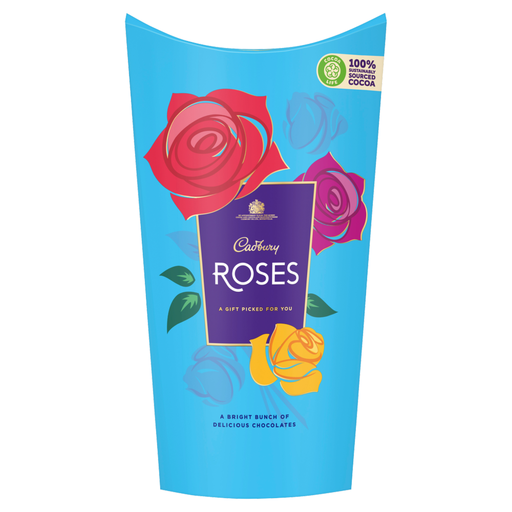
Why This Fits Their Persona: This is a classic choice for a shared office environment. The variety of individually wrapped chocolates caters to different tastes, making it a reliable crowd-pleaser for the communal kitchen or meeting rooms.
It sidesteps the "assortment disappointment" trap by offering a well-known and generally liked selection of classic British chocolates, ensuring there are few left-behind flavours.
Features a familiar mix of caramels, fudges and fruit cremes. The individual wrappers are hygienic for sharing.
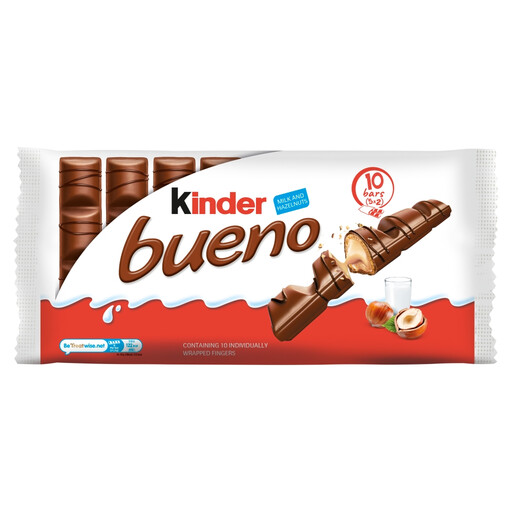
Why This Fits Their Persona: This multipack is ideal for households with children. The bars are individually wrapped in twin portions, making them perfect for lunchboxes, after-school snacks or controlled treating without opening a large bar.
By providing ten standard-sized bars, it offers clear value and avoids the "shrinkflation" trap. You know exactly what you are getting, making it easy to calculate the cost per treat.
Features a light, crispy wafer with a creamy hazelnut filling that appeals to both children and adults. The individual wrapping maintains freshness.
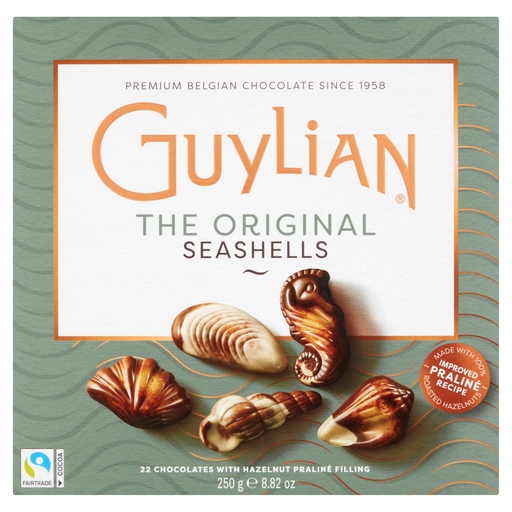
Why This Fits Their Persona: When you need a small, affordable gift that still feels special, these Belgian chocolates are an excellent choice. They are widely recognised for their quality and make a more thoughtful impression than a standard box of chocolates.
This product avoids the "gift box price inflation" trap. Its value comes from the quality of the chocolate and hazelnut praline itself, not from excessive packaging.
Features a signature roasted hazelnut praline filling and distinctive marbled seashell shapes. The brand is associated with premium Belgian chocolate.
We have compiled a complete, real-time list of products that fully satisfy these strict selection criteria and UK safety regulations.
To maintain freshness, store chocolate in a cool, dry place away from direct sunlight and strong odours. The ideal temperature is between 15-18°C. Avoid storing it in the refrigerator, as this can cause condensation to form on the surface, leading to a white, dusty-looking "sugar bloom" that affects the texture. Once a sharing bag is opened, seal it tightly to prevent the chocolate from becoming stale.
Cocoa solids refers to the components of the cocoa bean (cocoa mass and cocoa butter) that give chocolate its characteristic flavour and colour. Milk solids are the parts of milk (protein, fat and sugar) left after the water is removed. In the UK, milk chocolate must contain a minimum of 20% milk solids and 20% cocoa solids, though many popular British chocolate brands use a higher percentage for a creamier taste. Dark chocolate contains a higher percentage of cocoa solids and little to no milk solids.
Not always. While they often offer a lower cost per bar, you must check the weight of the individual bars. Sometimes, the bars in a multipack are smaller than those sold individually. The most reliable way to check for value is to compare the price per 100g between the multipack and the single-bar equivalent. This will give you a clear, like-for-like comparison.