
24/7 Customer Support

Free returns

Same-day & Next-day Delivery

Quality Guaranteed

Unlock Your Welcome Offers: FREE Delivery | Up to 80% OFF | Free 30-day JoyPlus trial
Download the APP
Navigating the world of matcha powder can feel overwhelming. With shelves and online stores filled with options, it's easy to fall into common traps that lead to a disappointing and costly purchase. As the Joybuy Product Recommendation Officer, my role is to help you see past the marketing jargon and focus on what truly matters for your cup of tea, latte or baking project. Let's look at the frequent pitfalls and how to sidestep them.
One of the most common issues is the vague labelling of "ceremonial grade." This term isn't legally protected in the UK, meaning its use can be inconsistent. You might pay a premium for what you believe is top-tier matcha, only to be met with a bitter, dull-tasting powder that refuses to froth.
Another pitfall lies in pre-made mixes. While convenient, many matcha latte powder products or flavoured matcha blends can be bulked out with sugar, milk powders and other fillers. If you're seeking the authentic taste and qualities of green tea, you might unknowingly be buying a product that is mostly sweetener. Finally, pay attention to packaging. Matcha is delicate; exposure to light and air causes it to oxidise, losing its vibrant green colour and nuanced flavour. A product in a non-resealable bag or a clear jar is a sign that its freshness may not last.
To ensure you get a quality product that suits your needs, focus on these three core parameters before you buy.
The most significant distinction is between ceremonial and culinary grade matcha. This isn't about one being "good" and the other "bad," but about their intended purpose.
The source of your matcha has a profound impact on its quality. Japanese matcha is widely regarded for its quality, thanks to centuries of cultivation expertise. Regions like Uji (Kyoto), Shizuoka and Kagoshima are particularly famous.
When checking the label, look for the country of origin. Also, inspect the ingredients list. For an authentic experience, it should list only one ingredient: "100% green tea" or "matcha." If you see sugar, milk powder or other additives listed first, you are buying a pre-made mix. For those prioritising production methods, an organic matcha certification from a recognised body like the Soil Association ensures the tea was grown without synthetic pesticides or fertilisers.
How you plan to use your matcha will influence the best format for you.
Based on these practical considerations, here are a few products matched to different user needs.
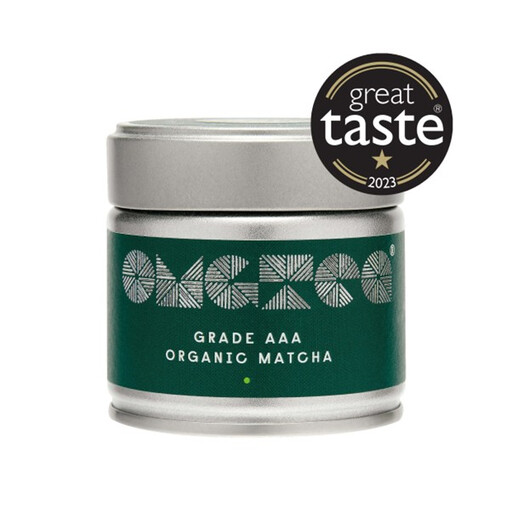
Why This Fits Their Persona: This user seeks an authentic, high-quality tea experience. This product is 100% organic matcha, positioned as a high-grade option suitable for traditional preparation where the pure, nuanced flavour of the tea is the main focus.
It directly counters the "hidden fillers" trap by being 100% pure organic matcha with no additives. The high-grade specification addresses the concern of paying a premium for a low-quality "ceremonial" product.
Soil Association Certified Organic, ensuring adherence to strict production standards. The 30g tin provides excellent protection against light and air.

Why This Fits Their Persona: This user values convenience and portability for their busy schedule. These single-serve sachets contain ceremonial grade matcha, offering high quality without the need for measuring, making them perfect for the office or travel.
The sachet format inherently solves the freshness problem caused by poor packaging, as each serving is individually sealed to prevent oxidation until it's ready to be used.
Offers ultimate convenience with pre-portioned 1.5g servings of ceremonial grade matcha. It's pure tea, free from any sugars or fillers.
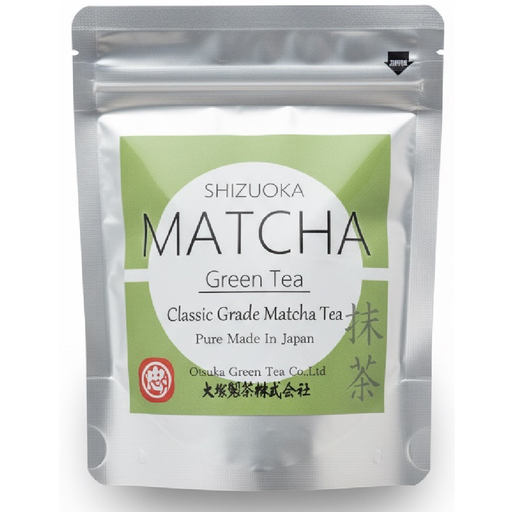
Why This Fits Their Persona: This user needs a versatile powder for baking and cooking. This classic grade matcha from Shizuoka offers a balanced flavour profile that is robust enough for culinary use but still smooth enough for drinking, making it a great all-rounder for the kitchen.
By being a pure, unblended powder, it gives the baker full control over the sweetness and flavour of their creations, avoiding the trap of overly sweet pre-made mixes that can unbalance a recipe.
Sourced from Shizuoka, a renowned Japanese tea region. Its balanced profile of umami and gentle bitterness is ideal for providing authentic matcha flavour in cakes, biscuits and ice cream.
We have compiled a complete, real-time list of products that fully satisfy these strict selection criteria and UK safety regulations.
Bitterness and a lack of froth are usually due to a few factors. Firstly, the quality of the matcha plays a big role; lower-grade powders can be inherently more bitter. Secondly, water temperature is critical. Using boiling water (100°C) will scorch the delicate tea leaves, resulting in a bitter taste. The ideal temperature is around 70-80°C. Finally, technique matters. A traditional bamboo whisk (chasen) is designed to aerate the tea, creating a fine foam. Vigorous whisking in a 'W' or 'M' motion is key to achieving a good froth.
Matcha is sensitive to light, heat and air. To maintain its freshness, colour and flavour, it should be stored in an airtight, opaque container. The small tins that high-quality matcha often comes in are ideal. Once opened, it's best to store it in the refrigerator to slow down the oxidation process. Always seal the container tightly after each use and aim to consume it within a few months of opening for the best experience.
While you can technically use any matcha, a culinary grade powder is generally recommended for baking and cooking. Its stronger, more assertive flavour profile is designed to hold its own when mixed with other ingredients like flour, sugar and butter. Using a delicate and expensive ceremonial grade matcha in a cake would be a waste of its subtle nuances, which would be lost in the final product. A good quality culinary powder will provide the vibrant colour and distinct flavour you're looking for at a more economical price point.