
24/7 Customer Support

Free returns

Same-day & Next-day Delivery

Quality Guaranteed

Unlock Your Welcome Offers: FREE Delivery | Up to 80% OFF | Free 30-day JoyPlus trial
Download the APP
A good oil dispenser is an unsung hero of the kitchen. It offers control, reduces mess and can even add a touch of style to your countertop. Yet, finding the right one can be surprisingly frustrating. A poorly designed cooking oil bottle can turn a simple drizzle into a greasy puddle, leading to waste and constant cleaning.
As the Joybuy Product Recommendation Officer, my role is to help you navigate these choices. We will look past the marketing claims and focus on the practical features that make an oil dispenser a genuinely useful tool, rather than another piece of kitchen clutter. Let's examine the common pitfalls to avoid and the key features to look for.
Many of us have been tempted by a stylish bottle, only to be disappointed by its performance. Before you buy, be aware of these frequent design issues:
To ensure you get a product that performs well, focus on these three core parameters.
The spout is the most critical component of an oil pourer for kitchen use. Look for designs that actively prevent drips. Many effective models feature an "eagle-beak" or sharply curved spout, which provides a clean cut-off after pouring. A small air-return hole near the spout can also help, as it allows for a smooth, non-glugging flow, giving you better control and preventing splashes. A well-fitting dust cap is also essential to keep contaminants out between uses.
The choice between glass and stainless steel often comes down to aesthetics and the type of oil you use.
Consider how you will use the dispenser daily. Do you need to operate it with one hand while stirring a pan? If so, a model with an ergonomic handle and an easy-open lid is crucial. For tasks like basting meats or greasing baking tins, an oil dispenser with brush integrated into the lid offers fantastic convenience and precision, keeping your hands clean and applying oil evenly. Finally, consider the capacity. A smaller bottle might be fine for finishing oils, but for your primary cooking oil, a 500ml or larger container will save you from constant refills.
Based on these practical criteria, here are a few options suited to different kitchen needs and user profiles.
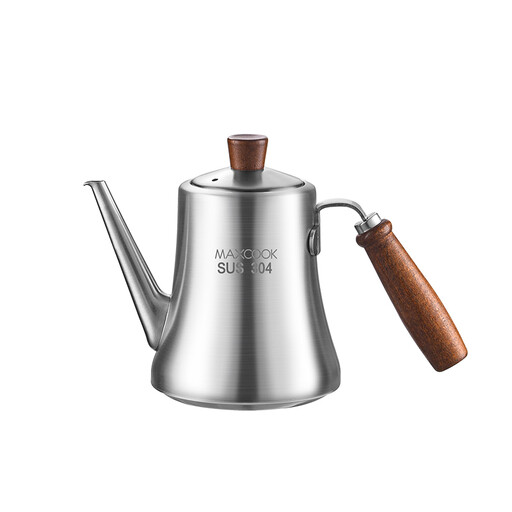
Why This Fits Their Persona: This user needs a reliable, no-fuss tool for daily cooking. The 500mL capacity is a practical size for a primary cooking oil, and the one-handed operation is perfect for a busy kitchen.
The eagle-beak spout is engineered to prevent drips, and the wide-mouth opening directly solves the cleaning problem. The 304 stainless steel material protects oil from light degradation.
Durable stainless steel construction and an ergonomic handle with a beech wood grip for comfortable, stable one-handed pouring.
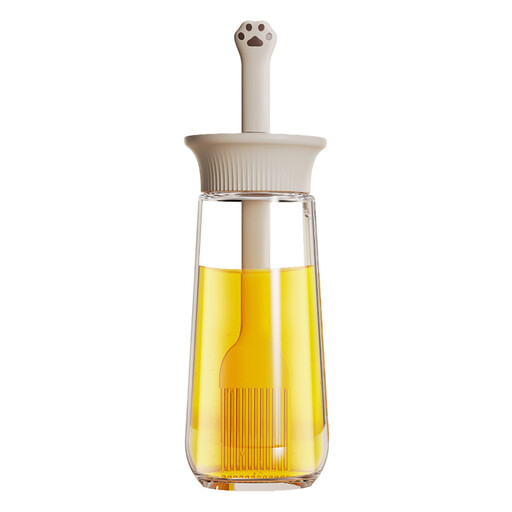
Why This Fits Their Persona: Ideal for those who need to apply a thin, even layer of oil for roasting, air frying or baking. It's also great for applying egg wash or glazes with precision.
The integrated design eliminates the need for a separate, messy basting brush. The components are fully detachable, making it simple to clean thoroughly and avoid residue build-up.
The food-grade silicone brush is heat-resistant and applies liquids evenly. The transparent glass body allows you to monitor the oil level easily.
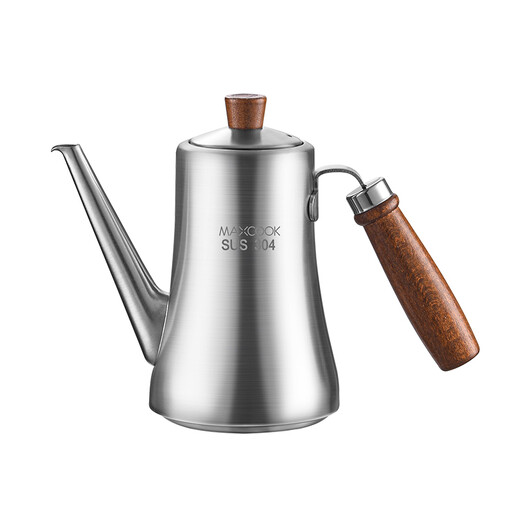
Why This Fits Their Persona: Perfect for large families or those who cook frequently and get through a lot of oil. The large 1-litre capacity minimises the need for constant refilling, making it a convenient workhorse.
This model shares the same smart design as its smaller counterpart: a drip-free spout, wide mouth for easy cleaning and light-blocking stainless steel construction, but on a larger scale.
The generous 1000mL capacity is its main benefit, combined with the same reliable one-handed operation and durable build quality.
We have compiled a complete, real-time list of products that fully satisfy these strict selection criteria and UK safety regulations.
1. How do I properly clean an oil dispenser? To prevent oil from going rancid, regular cleaning is key. Disassemble the dispenser completely. Wash all parts in warm, soapy water. Use a bottle brush to scrub the interior thoroughly. Rinse well and, most importantly, allow all components to dry completely before reassembling and refilling. Any trapped moisture can spoil the oil.
2. Should I use a glass or stainless steel oil bottle for olive oil? Extra virgin olive oil is sensitive to both light and heat, which can degrade its flavour and health properties. For this reason, a stainless steel oil cruet is an excellent choice as it completely blocks light. If you prefer a glass oil bottle, choose one made from dark-coloured (amber or green) or opaque glass to provide necessary protection. Avoid storing any oil in direct sunlight.
3. How can I stop my oil dispenser from leaking? A persistent leak is usually a sign of a poor design. However, you can try a few things: ensure the silicone or rubber gasket in the lid is clean and seated correctly and avoid overfilling the bottle. The most effective solution is to choose a dispenser with a well-engineered spout from the start—one with a sharp pouring edge and an air-return vent will provide the best defence against drips.