
24/7 Customer Support

Free returns

Same-day & Next-day Delivery

Quality Guaranteed

Unlock Your Welcome Offers: FREE Delivery | Up to 80% OFF | Free 30-day JoyPlus trial
Download the APP
The aroma of a freshly baked loaf is one of life’s simple pleasures, but achieving that perfect crust and airy crumb at home can sometimes feel like a challenge. If your loaves are coming out dense, flat or lacking that satisfying chew, the culprit might not be your technique, but your flour. Using the right strong bread flour is the foundation of successful bread making.
This guide is designed to help you understand what to look for in a quality flour for bread making. We will walk you through the key factors to consider and share some of our top recommendations to help you find the perfect flour for your next baking project, whether you're a seasoned baker or just starting your journey.
Before you choose, it helps to know what makes one flour different from another. Here are a few key points to consider when browsing the shelves.
The single most important factor in strong bread flour is its protein level. When mixed with water, the proteins in wheat flour (glutenin and gliadin) form gluten. This elastic network traps the gas produced by yeast, allowing the dough to rise and giving the final loaf its characteristic chewy structure.
Plain or all-purpose flour typically has a protein content of around 9-11%. For bread, you need a high protein bread flour, usually with 12% to 14% protein. This higher concentration creates a stronger, more elastic gluten network, which is essential for a well-risen, structured loaf. Flours labelled as very strong bread flour often sit at the higher end of this range, providing maximum support for heavy wholemeal doughs or recipes rich with fruit and seeds.
Your choice between white and wholemeal flour will significantly impact the flavour, texture and nutritional profile of your bread.
Are you crafting a rustic, open-crumb sourdough or a simple loaf in a bread machine? The type of bread you plan to make can influence your flour choice. For high-hydration doughs common in artisan bread flour recipes, a very strong bread flour provides the stability needed to hold its shape. For daily loaves, a standard strong white or wholemeal flour is perfectly suitable. Most high-quality strong flours are also ideal for use as bread machine flour, as they have the strength to withstand the automated kneading process.
Here are a few standout options available in convenient 1kg bread flour packs, each suited to different baking needs and preferences.
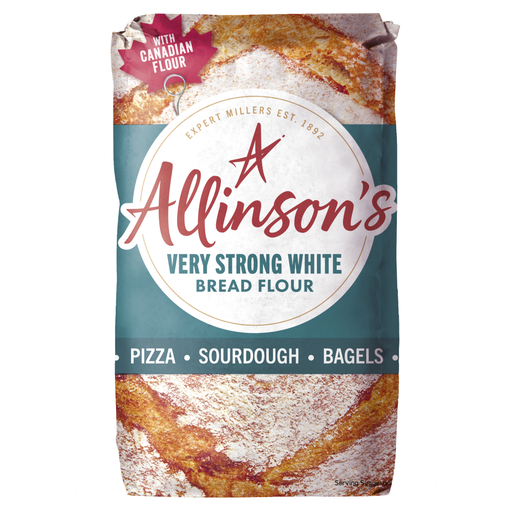
Why It Stands Out: Milled from selected Canadian wheat, which is renowned for its high protein content, this flour is designed for a consistently excellent rise and reliable results. Its high protein level makes it particularly robust.
Pros:
Who is it for? Home bakers who want a dependable, high-performance strong white bread flour that provides extra strength for a fantastic rise every time.
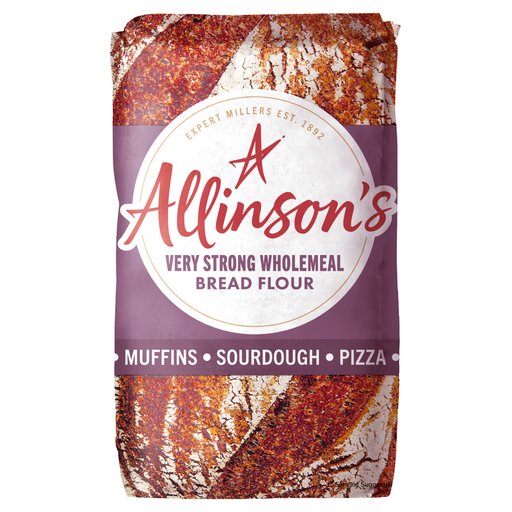
Why It Stands Out: This flour successfully combines the rich, nutty flavour of whole wheat with the strength needed for good volume and structure, a common challenge in wholemeal baking.
Pros:
Who is it for? Bakers who love the taste and nutritional benefits of wholemeal bread and are looking for a flour that won't compromise on structure or volume.
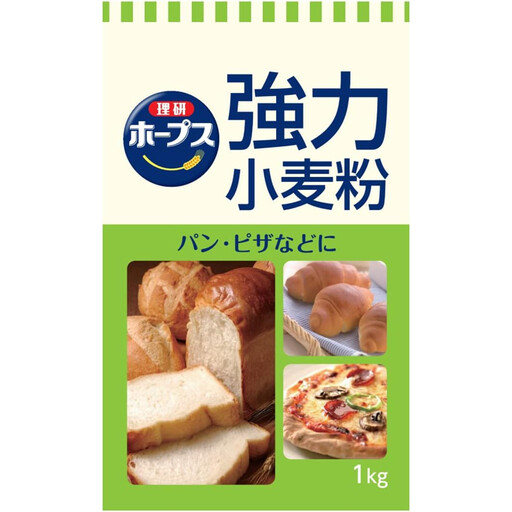
Why It Stands Out: This premium flour, a product of Japan, is specifically milled to create a dough with excellent elasticity and stability. It's a great choice for achieving the light, airy and satisfyingly chewy texture found in many artisan and Japanese-style breads.
Pros:
Who is it for? Bakers aiming to craft artisan bread flour recipes, perfect a Neapolitan-style pizza base or replicate the unique texture of Japanese milk bread.
While strong bread flour is essential for yeast-leavened bakes, we understand that your pantry may need other staples. Whether you're looking for plain flour for pastries, self-raising flour for cakes or specialty grain flours, there are many options to explore.
Discover Our Full Range of Flour on Joybuy
The primary difference is protein content. Strong bread flour has a higher protein level (typically 12-14%), which is necessary to develop the strong gluten network that gives bread its structure and chewy texture. Plain flour has a lower protein content (around 9-11%) and is better suited for cakes, biscuits and pastries, where a softer, more tender result is desired.
Yes, absolutely. Strong bread flour is the recommended choice for most bread machines. Its high protein content creates a robust dough that can withstand the machine's automated kneading cycle, resulting in a well-risen loaf with a good texture. Many products are effectively a type of bread machine flour.
A quality high protein bread flour should contain at least 12% protein. For loaves that need extra support, such as those made with wholemeal flour or containing heavy additions like fruit and nuts, a very strong bread flour with 14% protein or more is an excellent choice. Always check the nutritional information on the packaging.