Choose a compact 6x4 photo printer when the studio needs conventional birthday prints and print volume is moderate. An instant-film printer suits a guest-led keepsake activity instead; for recurring events with substantial queues, assess whether a production printer’s paper handling and connections justify its greater operating commitment.
Who each printer route suits
Shared-studio 6x4 print hosts
If guests expect familiar photographs to take home or frame, start with the required print size and the devices the studio will use. Canon UK lists 100 x 148 mm media and several input methods for the SELPHY CP1500, making it a relevant compact-printer example when print volume is moderate.
Interactive party-print hosts
If choosing and printing a picture is part of the birthday activity, a phone-led instant-film printer may suit the event better than a conventional 6x4 station. MyFUJIFILM United Kingdom describes the instax Link WIDE as using Bluetooth and INSTAX WIDE film, with a 62 x 99 mm picture area.
Recurring event-studio operators
If the studio runs repeated events or a photo-booth service, assess paper handling, network connections and the staff time available to manage printing. Epson United Kingdom positions its SureLab SL-D500 for event and photo-box work and specifies a 100-sheet automatic sheet feeder.
What matters when choosing
Compact 6x4 photo printer
Choose it when: conventional birthday photographs are the main output and printing is moderate rather than continuous.
Allow for: sheet-fed operation and staff involvement during busier sessions.
Instant-film printer
Choose it when: guests printing keepsakes from their phones is central to the activity.
Allow for: a different print format, separate film and development time before hand-out.
Production photo printer
Choose it when: repeated events make paper capacity and a managed network workflow important.
Allow for: installation, consumables and service planning beyond a casual print station.
| Concern | What to check | Who this matters to |
|---|
| Standard prints and studio inputs |
Check for 100 x 148 mm media and the connections needed by the studio’s actual devices. Canon UK specifies that size, Wi-Fi, USB-C and SD-card printing for the SELPHY CP1500. |
I need birthday photographs that guests can take away or frame without relying on one person’s phone. Around 42% of consumers put standard print size and a shared-studio workflow first. |
| Guest-made keepsakes |
Check the picture area, phone connection and time until a print can be handed over. MyFUJIFILM United Kingdom specifies a 62 x 99 mm picture area for the instax Link WIDE. |
Printing is part of our party activity, so a guest-operated keepsake matters more to me than a conventional photograph. This is the primary need for around 33% of consumers. |
| Recurring event capacity |
Check sheet capacity, network connections and the exact model’s stated output rate. Epson United Kingdom specifies a 100-sheet feeder for the SL-D500; its stated rate of up to 385 prints per hour applies to the different SL-D1000 Series. |
When several events create queues, I need printing that staff can manage without constant media changes. Around 25% of consumers prioritise recurring-event capacity. |
Buying pitfalls
-
Assuming every photo printer makes 6x4 photographs
Printer names do not establish the size of the finished image. Canon UK specifies 100 x 148 mm postcard media for the SELPHY CP1500, whereas MyFUJIFILM United Kingdom gives the instax Link WIDE a 62 x 99 mm picture area.
Decide whether guests need conventional photographs, small stickers or instant-film keepsakes before choosing a printer.
-
Planning the queue around print time alone
MyFUJIFILM United Kingdom states approximately 12 seconds for instax Link WIDE photo output and approximately 90 seconds for film development. Those are separate stages, not a single ready-to-hand-over time.
Allow for image selection, connection, output, any development time and staff hand-out when planning a busy session.
-
Choosing a compact printer without planning repeated events
Regular event printing makes media changes and operator attention part of the decision. Epson United Kingdom specifies a 100-sheet feeder for the production-oriented SureLab SL-D500.
Estimate prints per event and peak queues, then compare paper handling, connections, installation and service requirements for the exact models under consideration.
More frequent media changes can also take staff time away from other event tasks.
-
Relying on a PAT sticker as the only safety check
A test label does not replace attention to the condition of equipment used by several people. The Health and Safety Executive says electrical equipment that could cause injury must be maintained in a safe condition.
Include visual checks of the printer, lead and plug in the studio’s maintenance process, particularly when equipment is moved.
Photo printer brands to consider
Canon
Canon’s SELPHY range is relevant to compact printing of conventional birthday photographs and smaller creative formats.
- Canon UK specifies 100 x 148 mm media, Wi-Fi, USB-C and SD-card printing for the SELPHY CP1500, with postcard printing stated at approximately 41 seconds.
- The CP1500 is a compact, sheet-fed route rather than a printer positioned by Canon for continuous commercial production.
Fujifilm instax
The instax Link WIDE is relevant when guests making an instant-format keepsake matters more than standard 6x4 output.
- MyFUJIFILM United Kingdom specifies Bluetooth printing and a 62 x 99 mm picture area on INSTAX WIDE film.
- Film is sold separately, and its phone-led workflow and picture size differ from a conventional studio print station.
Epson
Epson’s SureLab line is relevant to studios planning repeated event or photo-booth printing.
- Epson United Kingdom specifies USB, LAN, Wi-Fi and a 100-sheet automatic sheet feeder for the event-oriented SL-D500.
- A production setup calls for more installation, consumable and service planning than a compact guest print station.
Joybuy photo printer choices
These choices cover phone-led 4x6 photographs and smaller portable party prints. Pick the output format first: the smaller-print options serve a different purpose from conventional birthday photographs.
 No image available
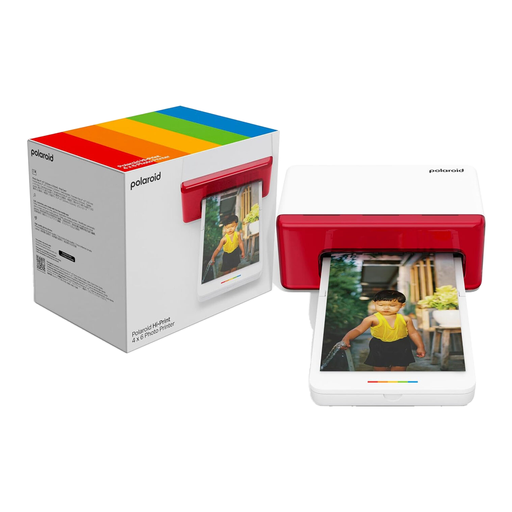
Polaroid Hi-Print 4x6 Bluetooth Photo Printer, White
Consider this phone-led option when guests need conventional-sized birthday photographs. The product title specifies 4x6 output and Bluetooth; check that its app workflow and compatible paper cartridges suit the studio before planning the session.
View on Joybuy
 No image available
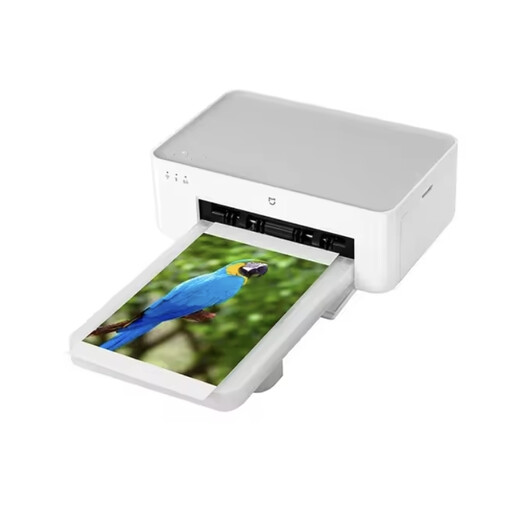
Xiaomi Portable Photo Printer 1S, Zero-Ink
Consider this portable option for a guest-facing activity built around small take-away prints, rather than conventional 4x6 photographs. Check the finished print dimensions, compatible paper and how often the tray would need refilling during the event.
View on Joybuy
 No image available
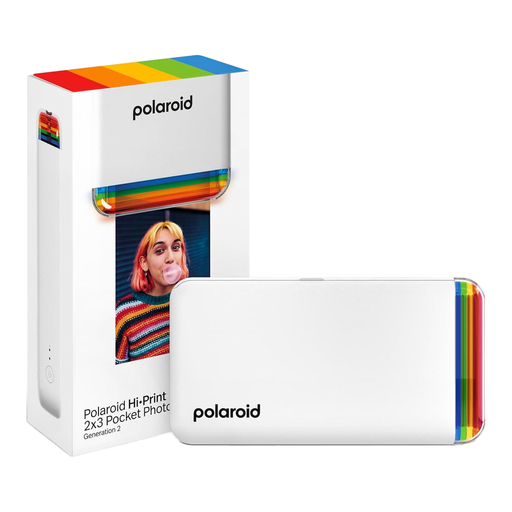
Polaroid Hi-Print 2x3 Printer Gen 2, White
Consider this smaller-format Hi-Print variant when guests would prefer compact take-away prints to conventional birthday photographs. Its title identifies the 2x3 Gen 2 model; check the compatible cartridges and expected print volume before use at an event.
View on Joybuy
Frequently asked questions
Should I get extra paper or film before the birthday session?
Plan enough consumables for the intended number of prints, but match them to the exact printer and format. Canon UK Store specifies its RP-108 paper and ink set as compatible with the SELPHY CP1500 and capable of up to 108 postcard-sized prints; MyFUJIFILM United Kingdom says instax Link WIDE film is sold separately.
Does a shared UK studio need annual PAT testing for its printer?
There is no fixed legal requirement for annual PAT testing. The Health and Safety Executive says equipment with the potential to cause injury must be maintained in a safe condition; the appropriate inspection and testing approach depends on the equipment and its working environment.
What should the studio check before using a newly bought printer?
Check the printer, power cable and plug visually for damage before use, then include the equipment in the studio’s maintenance process. The Health and Safety Executive recommends a simple visual check for new equipment and treats visual examination as an important part of electrical maintenance.


