
24/7 全天候客户支持

免费退货

当日/次日达

品质保障

开启新人专享福利: 全场免邮 | 低至 2 折 | 免费试用 30 天 JoyPlus 会员
下载 Joybuy
Dry, tight or rough skin can make everyday comfort difficult, particularly during colder UK weather, frequent bathing or repeated handwashing. Choosing a body cream for dry skin should be about more than a pleasant scent or attractive packaging. The right formula needs to match your skin’s condition, preferred texture and daily routine.
Marketing can make that decision harder. Hydration-hour claims, “natural” percentages and luxury ingredients may sound persuasive, but they do not always tell you whether a product will suit your skin. This guide explains what to check before buying and highlights suitable options for different needs.
A product may advertise hydration lasting for a specific number of hours, but this figure can depend on application amount, washing, weather and individual skin. It is more useful to examine the ingredient list for humectants, emollients and occlusives.
A moisturising body cream containing a combination of these ingredient groups may be more practical for persistent dryness than one relying on a single headline ingredient.
Natural-origin percentages do not indicate whether a formula is fragrance-free or suitable for reactive skin. Plant extracts and perfume can still cause irritation for some people. Always check the complete ingredient list, especially if you are looking for a sensitive skin body cream, fragrance-free body cream or eczema-prone skin cream.
A small facial moisturiser can be useful for the face, but using a 50ml jar across large body areas may become expensive. Conversely, some body creams contain fragrance or richer ingredients that you may not want on your face. A face and body moisturiser should clearly state its intended use, and you should follow the supplied directions.
A hydrating body lotion is usually lighter and may absorb quickly, making it convenient after a morning shower. Creams tend to provide a richer feel, while balms are often more suitable for very dry or cracked areas.
For body cream for very dry skin, look for a richer base containing ingredients such as glycerin, shea butter, petrolatum, paraffin or dimethicone. If you dislike residue beneath clothing, prioritise a stated fast-absorbing or non-greasy texture, while recognising that richer products may naturally feel more substantial.
Check whether the formula addresses your main concern:
A 380ml or 500g pump or tub is generally more practical for regular full-body use than a 50ml facial jar. Tubs allow easy access to rich creams but require clean, dry hands. Pumps can be more convenient and may reduce contact with the remaining product.
Read the packaging supplied with the product before use. Formulations, warnings and ingredients can change, so anyone with allergies or intolerances should check the current label.
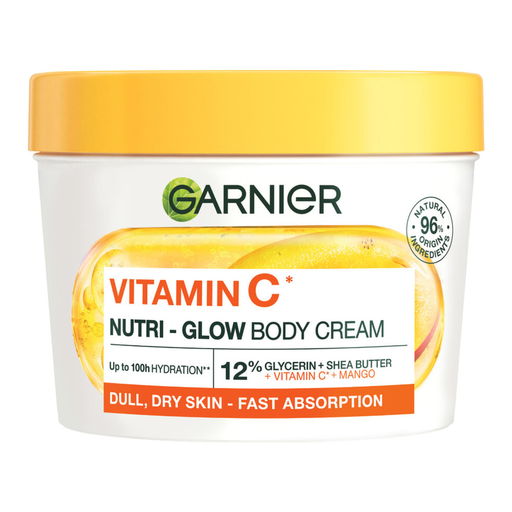
Why This Fits Their Persona: The 380ml tub suits shoppers wanting a generously sized everyday moisturiser for dry, dull-looking skin after bathing.
The ingredient list includes glycerin, shea butter and mango extract, while the product information identifies it as vegan and made with 96% natural-origin ingredients. Check the fragrance listing if you have sensitive skin.
Large 380ml size; quick-absorbing formula; contains glycerin and shea butter.
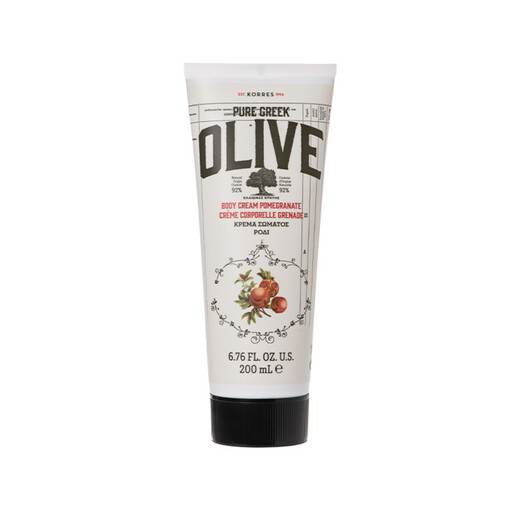
Why This Fits Their Persona: A 200ml option for shoppers who prefer a more sensorial body-care routine and a lighter lotion texture after a shower or bath.
The formula lists glycerin, shea butter, almond oil and olive oil rather than relying only on a botanical marketing story. It also clearly contains fragrance and listed fragrance allergens.
Fast-absorbing lotion format; includes glycerin, almond oil and shea butter.
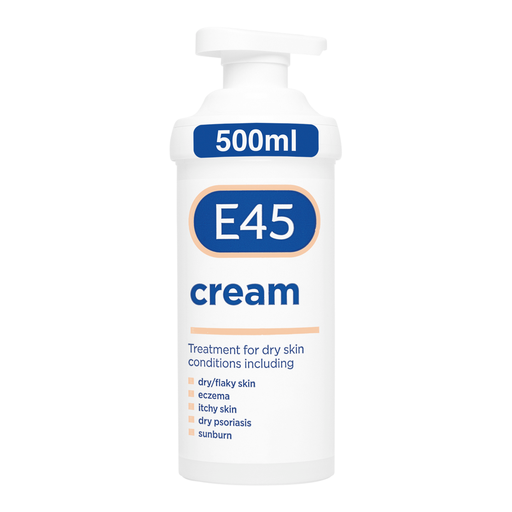
Why This Fits Their Persona: The 500g pump is suited to frequent use on hands, face and body, including households managing recurring dryness.
It uses white soft paraffin, light liquid paraffin and anhydrous lanolin, so the formula is not dependent on fragrance or a single fashionable active. Review the paraffin fire-safety warning before use.
500g pump dispenser; fragrance-free; designed for face, hands and body use.
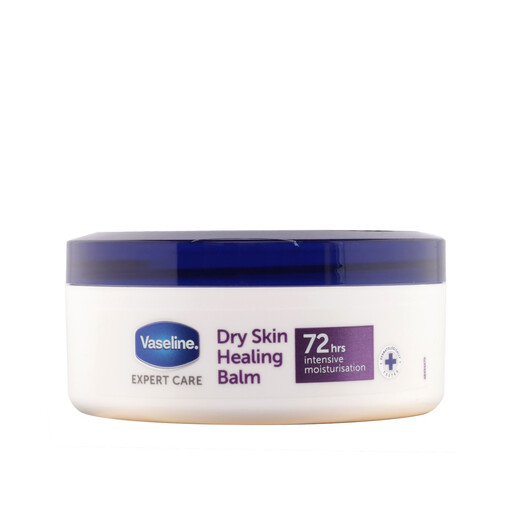
Why This Fits Their Persona: A fragrance-free choice for shoppers who want a simple daily body moisturiser for very dry or cracked-feeling areas.
The ingredient list names glycerin, petrolatum, dimethicone and Pro-Lipids. Its fragrance-free format avoids the assumption that a strong scent indicates better moisturisation.
Fragrance-free; fast-absorbing texture; includes petrolatum and glycerin.
We have compiled a complete, real-time list of products that fully satisfy these strict selection criteria and UK safety regulations.
Apply cream to clean, slightly damp skin after a shower or bath. This can help reduce the tight feeling that often follows washing. Use a generous, even layer on rough areas such as elbows, knees, hands and heels, then reapply when needed.
Patch-test a new product on a small area first, particularly if your skin is sensitive or eczema-prone. Stop using it if irritation or a rash develops. For persistent, painful or worsening skin symptoms, seek advice from a pharmacist or GP rather than relying solely on cosmetic skincare.
Body lotion is usually lighter and easier to spread over large areas. Body cream is generally richer and may be more suitable for dry or very dry skin. The practical choice depends on how much moisture support you need and whether you prefer a quick-drying finish.
Many products can be applied once or twice daily, or as directed on the packaging. Applying after washing and reapplying to particularly dry areas can fit easily into a UK winter skincare routine.
Only use it on the face when the product information says it is suitable. Facial skin can react differently to fragrance, oils and richer occlusive ingredients. A dedicated facial moisturiser may be more appropriate for dry or sensitive facial skin.