
24/7 Customer Support

Free returns

Same-day & Next-day Delivery

Quality Guaranteed

Unlock Your Welcome Offers: FREE Delivery | Up to 80% OFF | Free 30-day JoyPlus trial
Download the APP
Choosing a body moisturiser should be straightforward, but product pages often make similar formulas sound interchangeable. A lightweight lotion may not be enough for rough winter skin, while a heavily fragranced body butter may be unsuitable for sensitive areas. The right choice depends on your skin’s condition, the ingredients, texture, size and how consistently you will use it.
A strong scent can make a product feel luxurious, but fragrance does not indicate how well it supports dry skin. Perfume and fragrance allergens may also be uncomfortable for people with reactive or sensitive skin. If your priority is barrier support, look for ingredients such as glycerin, petrolatum, paraffin, dimethicone, shea butter, ceramides or plant oils before considering the scent.
A fast-absorbing lotion can be convenient after a morning shower, but very dry or flaky skin often benefits from a richer body cream for dry skin, balm or body butter. Conversely, a dense formula may feel uncomfortable under clothing if you prefer a quick daily application.
Claims such as “24-hour”, “48-hour” or “72-hour” moisturisation describe the brand’s stated testing or product positioning, rather than a guarantee for every user. Washing, sweating, cold weather and indoor heating can all affect how long skin feels comfortable. Check the directions and be prepared to reapply to particularly dry areas.
A useful formula usually combines different types of moisturising ingredients:
For an intensive body moisturiser, compare the ingredient list rather than relying only on words such as “repair”, “rescue” or “superfood”.
Those seeking a fragrance-free body cream should check that “parfum” or “fragrance” is not listed among the ingredients. A product labelled suitable for sensitive skin may still contain perfume, botanical extracts or essential-oil components. Always read the current packaging, particularly if you have known allergies or are buying for a child.
A 500g pump can be practical for a family bathroom or regular application over large areas, while a 75ml pot is more suitable for travel or trying a formula before committing to a larger size. Consider the cost per 100ml and whether the packaging allows you to dispense enough product without repeatedly opening a jar.
For paraffin-based emollients, follow the safety information supplied with the product. Clothing, bedding and dressings that have absorbed these products can present a fire risk near naked flames. Keep all products away from the eyes and stop using them if irritation develops.
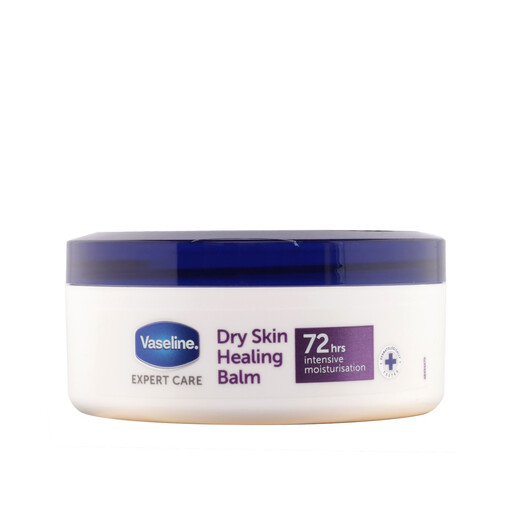
Why This Fits Their Persona: A 250ml fragrance-free balm is a practical starting point for adults who want everyday moisture without paying for a perfumed luxury texture.
It prioritises glycerin, petrolatum, dimethicone and listed Pro-Lipids over fragrance-led marketing, with a stated fast-absorbing format.
Fragrance-free; 250ml format; includes glycerin and petrolatum for moisturising and occlusive support.
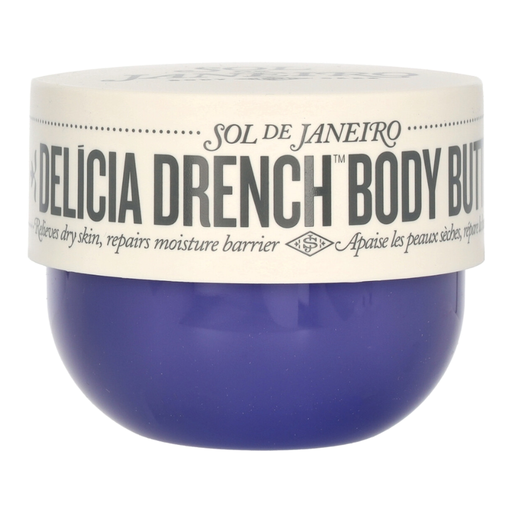
Why This Fits Their Persona: Suits shoppers who enjoy a rich, whipped body butter and a noticeable fragrance as part of an indulgent evening routine.
The rich texture is clearly positioned for dry skin, while the ingredient list lets buyers assess shea butter, glycerin, squalane and fragrance before purchasing.
Large 240ml jar; whipped body butter texture; includes shea butter, hyaluronic acid derivative, plant oils and squalane.
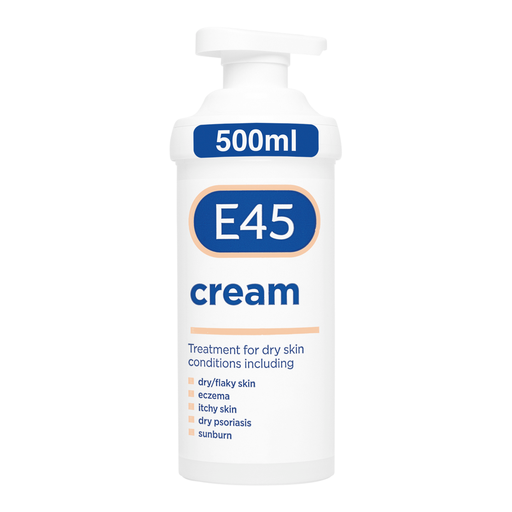
Why This Fits Their Persona: Designed for households needing frequent application across hands, face and body, including people looking for an eczema emollient cream.
It uses a clearly stated emollient system rather than relying on a cosmetic fragrance or firming promise, and provides directions for repeated use.
500g pump dispenser; fragrance-free; contains white soft paraffin, light liquid paraffin and anhydrous lanolin.
We have compiled a complete, real-time list of products that fully satisfy these strict selection criteria and UK safety regulations.
Apply moisturiser after bathing while skin is clean and lightly towel-dried. This can help reduce the tight feeling that often follows hot water exposure. Use a generous amount on shins, elbows, knees, hands and heels, then massage until spread evenly.
For very dry legs, a skin barrier repair cream or paraffin-based emollient may be more appropriate than a light lotion. If you prefer a firming body cream, remember that ingredients such as caffeine or plant extracts can improve the feel and temporary appearance of smoothness, but they should not be treated as a substitute for medical care or guaranteed changes to body shape.
A luxury body moisturiser or scented body butter can work well for normal-to-dry skin when fragrance is welcome. For reactive skin, choose a fragrance-free option and patch test a small area first.
Look for a rich cream or emollient containing occlusive ingredients such as petrolatum, paraffin or dimethicone, alongside humectants such as glycerin. Apply regularly, particularly after washing. If dryness is persistent, painful or accompanied by a rash, speak with a pharmacist or GP.
Neither format is automatically better. Body butter generally feels richer and may suit very dry skin or evening use, while lotion tends to spread quickly and work well for daily application over larger areas. Your choice should reflect dryness, comfort and how often you are willing to apply it.
Shelf life varies by formula and packaging. Check the expiry date and the open-jar symbol on the product, and store it as directed. Pump bottles can help limit contact with the formula, while jars should be closed promptly after each use. Always check the current label for ingredients, warnings and instructions before application.