
24/7 Customer Support

Free returns

Same-day & Next-day Delivery

Quality Guaranteed

Unlock Your Welcome Offers: FREE Delivery | Up to 80% OFF | Free 30-day JoyPlus trial
Download the APP
As a Joybuy Product Recommendation Officer, my role is to help you navigate the crowded shelves—both physical and digital—to find products that genuinely meet your needs. The world of Asian green tea has become increasingly popular in the UK, offering a refreshing alternative to traditional black tea and sugary fizzy drinks. However, this popularity has also led to a confusing market filled with marketing buzzwords and hidden drawbacks.
Many shoppers find themselves disappointed, having spent money on products that don't deliver on their promise. Before you add that bottle or box to your basket, let's look at two common pitfalls that can lead to a poor purchase.
To ensure you get a product you'll enjoy, focus on these core parameters rather than just the marketing claims on the front of the package.
The term Asian green tea covers a vast spectrum of flavours and preparation methods. Understanding the main types will help you find your preference.
When choosing a bottled green tea, always check the "Carbohydrates (of which sugars)" value per 100ml on the nutritional label. This gives you the clearest indication of its sweetness.
How you plan to enjoy your tea is just as important as the type you choose.
Based on these practical criteria, here are a few recommendations matched to different needs and lifestyles.

Why This Fits Their Persona: For the busy individual seeking genuine refreshment without the sugar crash. This is a straightforward, clean-tasting green tea that's perfect for stocking in the home office fridge or taking on the commute. It offers pure hydration with an authentic tea flavour.
It directly counters the "healthy sugar trap" by containing 0 sugar, 0 calories and 0 fat. The ingredients list is simple and transparent, focusing on water and real green tea.
Authentic pan-fired Chinese green tea flavour. Comes in a value case pack of 15, making it economical for regular consumption.
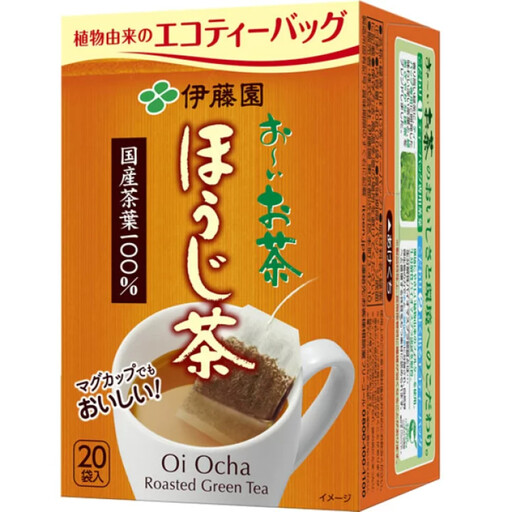
Why This Fits Their Persona: Ideal for the tea enthusiast who enjoys the ritual of brewing a cup at home and wants to explore beyond standard green tea. Hojicha offers a completely different flavour profile that is comforting, nutty and low in caffeine, perfect for a relaxing afternoon or evening drink.
This is a specialised product from a renowned Japanese brand, Itoen. It avoids ambiguity by clearly stating it is hojicha, a roasted green tea, setting clear expectations for a toasty, not grassy, flavour.
Distinct roasted, nutty flavour profile. Naturally low in caffeine. Convenient tea bag format for easy brewing without the mess of loose leaves.
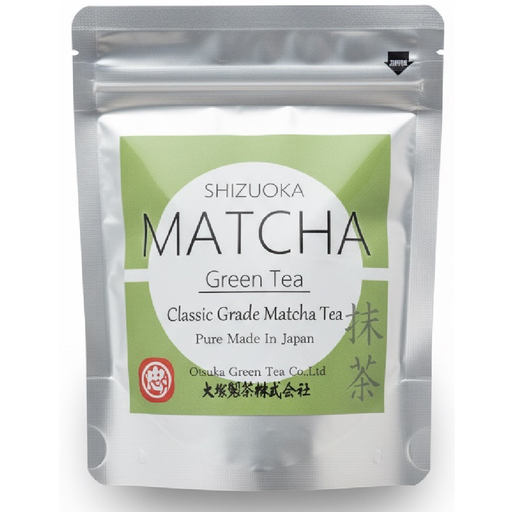
Why This Fits Their Persona: For those who want to make their own matcha lattes, smoothies or incorporate green tea flavour into baking. This powder offers the versatility to go beyond just a drink, allowing for creative culinary uses.
It bypasses the vague "ceremonial grade" trap by providing verifiable quality markers: it is 100% pure matcha sourced from Shizuoka, Japan—a region famous for high-quality tea. This provides a tangible assurance of origin and quality.
Fine, velvety powder for a smooth texture. Balanced umami and gentle bitterness, making it suitable for both drinking and cooking.
We have compiled a complete, real-time list of products that fully satisfy these strict selection criteria and UK safety regulations.
The primary difference lies in the initial processing step to prevent oxidation. Japanese green tea is typically steamed, which gives it a more vibrant green colour and a fresh, vegetal or even marine (umami) flavour. Chinese green tea is usually pan-fired in a large wok, which imparts a toastier, earthier and more mellow flavour profile.
Green tea, especially matcha, is sensitive to light, air, heat and moisture. Store green tea bags and loose-leaf tea in an airtight, opaque container in a cool, dark and dry cupboard. For matcha powder, it is often recommended to store the sealed container in the refrigerator to preserve its colour and flavour, but always let it return to room temperature before opening to prevent condensation.
Yes, hojicha tea is a type of Japanese green tea. Unlike most green teas that are steamed and then dried, hojicha leaves (and sometimes stems) are roasted at a high temperature. This roasting process is what gives it its characteristic reddish-brown colour, toasty aroma and low caffeine content.