
24/7 Customer Support

Free returns

Same-day & Next-day Delivery

Quality Guaranteed

Unlock Your Welcome Offers: FREE Delivery | Up to 80% OFF | Free 30-day JoyPlus trial
Download the APP
Ordering beef online can save a trip to the butcher or supermarket, but the product description alone does not always tell you whether a cut suits your recipe. When buying beef online in the UK, shoppers need to compare the cut, pack size, storage instructions, origin and intended cooking method—not simply rely on words such as “premium” or “tender”.
This guide explains the practical details to check before ordering, with options for steaks, hot pot, Korean BBQ, family cooking and catering.
A ribeye steak, bavette steak and diced chuck may all be described as flavourful, but they need very different treatment. Ribeye is suited to quick, high-heat cooking, while chuck contains connective tissue that benefits from a long, gentle braise. Using a slow-cooking cut for a quick stir-fry can result in a firm texture; slow-cooking a lean steak may reduce its appeal.
A 200g pack of thinly sliced beef may work for one or two portions alongside noodles, vegetables or broth. A 1kg pack of Korean BBQ beef is more appropriate for a family gathering, restaurant kitchen or catering service. Bone-in cuts also provide less edible meat than their listed weight suggests, so compare the quantity with the dish and number of diners.
Fresh and frozen beef are not interchangeable at home. Fresh steaks generally require refrigeration between 0–5°C, while frozen beef delivery should be stored at -18°C or below. Check whether the item can be frozen, how long it should be used after defrosting and whether it must not be refrozen. Always follow the packaging, delivery and use-by guidance supplied with your order.
The cut is the clearest indicator of cooking suitability:
Terms such as grass-fed beef and dry-aged beef can provide useful sourcing or preparation information, but they should not replace checking the actual cut and cooking instructions. For example, the HG Walter steaks listed below specify grass-fed Aberdeen Angus or Hereford beef and dry-age periods in their descriptions.
Fresh beef can be convenient for a planned meal within its stated date. Frozen beef slices are useful when you want to keep ingredients available for hot pot, stir-fries or Korean BBQ without using them immediately.
Look for clear instructions covering:
For frozen slices, defrosting in the fridge is usually the more controlled option. Some product instructions also provide a cold-water method for quicker preparation. Keep raw meat separate from ready-to-eat foods, wash hands and utensils after handling and follow the label’s cooking guidance.
For steaks, a 220–250g pack commonly represents an individual portion, while a 450g T-bone can be suitable for sharing depending on the rest of the meal. Thinly rolled beef slices cook in seconds, so they are convenient for communal dishes but should be added in small batches to maintain broth temperature.
Caterers and larger households may prefer 500g or 1kg packs. Smaller packs can reduce waste when you are trying a new cut or cooking for fewer people.
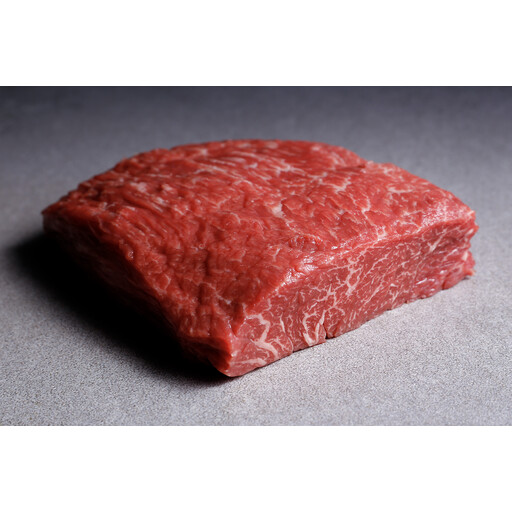
Why This Fits Their Persona: A 250g portion offers an accessible way to try a steak cut with a strong beef flavour without ordering a larger multi-pack. Its thin format suits quick frying for a weekday dinner.
The listing identifies the bavette cut, thin preparation and high-heat cooking method, helping prevent a mismatch between cut and recipe.
100% beef; refrigerated storage guidance of 0–5°C; suitable for freezing according to the supplied description.
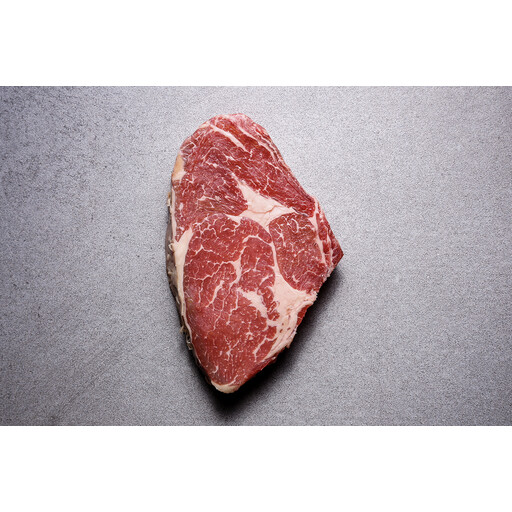
Why This Fits Their Persona: Suitable for steak enthusiasts who value marbling and a richer texture for a planned dinner, grill session or pan-seared meal.
The description states the cut, marbling, grass-fed sourcing information and a minimum 28-day dry-age period, rather than leaving shoppers to infer the preparation.
250g steak; ribeye eye and outer cap; supplied as 100% beef.
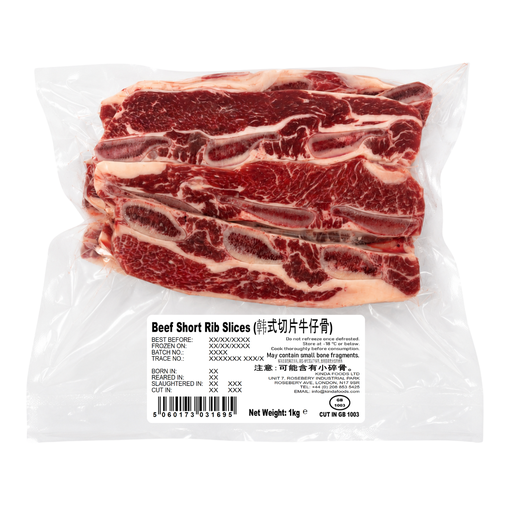
Why This Fits Their Persona: A family-size pack suits Korean BBQ hosts, busy households, restaurants and catering teams that need pre-sliced beef for multiple diners.
The 1kg quantity and thin Korean-style slicing are stated clearly, so buyers can assess capacity before paying for delivery.
100% beef; pre-sliced for grilling and stir-frying; UK country of origin; frozen storage at -18°C or below.
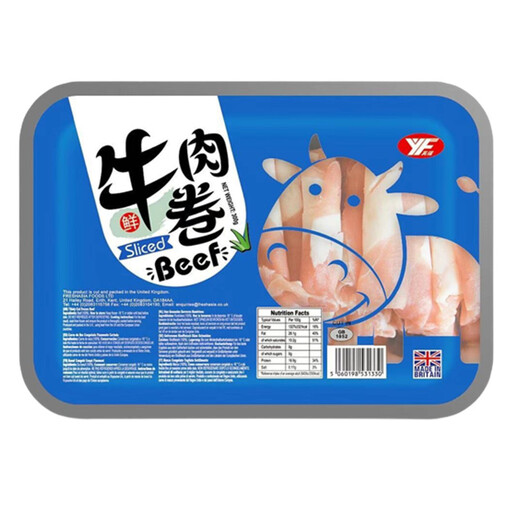
Why This Fits Their Persona: Thin, uniform rolls are convenient for hot pot, shabu-shabu, stir-fries and quick family meals where preparation time matters.
The listing specifies the 300g size, thin slicing, frozen storage and intended quick-cooking applications.
Uniform slices; 100% beef; 18.5g protein per 100g as listed; suitable for hot pot and stir-frying.
We have compiled a complete, real-time list of products that fully satisfy these strict selection criteria and UK safety regulations.
Before placing your order, check:
It can be, provided the seller uses suitable chilled or frozen delivery procedures and the packaging arrives intact and appropriately cold. On receipt, check the product label, use-by or best-before information, storage instructions and seal. Contact the retailer if the packaging is damaged or the product does not appear to have remained chilled or frozen.
Choose thinly sliced beef or short rib slices designed for hot pot, shabu-shabu or sukiyaki. Uniform slices cook quickly and are easier to portion at the table. Add a few pieces at a time to a simmering or boiling broth and follow the pack’s cooking guidance.
Dry ageing changes the preparation time and can concentrate flavour, but value depends on your preferences and recipe. It is most noticeable when the steak is cooked simply, such as a ribeye, T-bone or fillet. For stews, marinades and heavily seasoned dishes, cut, pack size and cooking suitability may matter more than ageing information.