
24/7 Customer Support

Free returns

Same-day & Next-day Delivery

Quality Guaranteed

Unlock Your Welcome Offers: FREE Delivery | Up to 80% OFF | Free 30-day JoyPlus trial
Download the APP
Ordering seafood online can save a trip to the fish counter, but attractive packaging and low headline prices do not always tell the whole story. UK shoppers comparing fresh and frozen seafood need to look beyond the product photograph and check how much fish they are actually receiving, how it must be stored and whether the format suits the planned recipe.
Whether you are looking for frozen fish delivery UK services, everyday fish fillets or speciality Asian fish products, these checks can help prevent disappointing purchases.
A frozen seafood pack may include protective ice glaze or added water. For example, the Ocean Classic Pangasius pack weighs 1kg but lists 800g net fish weight, with the remainder including ice. Compare the net fish quantity rather than the large number on the front of the pack.
This matters when calculating the cost per portion, particularly for families, professional kitchens and batch cooking.
Many products are trimmed and ready to cook, but some steaks and chunks may contain small bones. Belt fish, ribbonfish, whole fish and some mackerel formats commonly require extra care while eating. Always read the allergen and safety information, especially if serving children or guests.
Frozen fish fillets should generally remain at -18°C or below, while chilled products such as smoked salmon require refrigeration. Ready-to-eat smoked fish does not need cooking, whereas raw monkfish, mackerel, catfish and king fish must be thoroughly cooked.
A delivery that arrives partially thawed should not simply be refrozen. Check the seller’s delivery guidance and the product label before accepting or storing it.
Start with the information panel:
A 200g whole monkfish fillet may suit a special meal for one or two people, while a 1kg pack of king fish slices, Indian mackerel or belt fish chunks is more practical for families and freezer planning.
A reliable listing should explain whether the item is frozen, chilled or ready to eat. Look for:
For example, the Wild British Monkfish Whole Fillet should be thawed in the refrigerator, patted dry and cooked until opaque throughout. The supplied guidance states that its internal temperature should exceed 70°C. Frozen fish should be cooked according to the label, as time varies with thickness and cooking method.
The fish species affects flavour, texture and recipe suitability. Mild cod fillets, basa and tilapia can work well with sauces and seasoning. Oily fish such as mackerel fillets have a richer flavour and suit grilling, pan-frying and curries. Tuna steaks are firm and quick to cook, while monkfish has a dense texture suitable for roasting or pan-searing.
Check the stated country or waters of origin, the ingredient list and whether the fish is raw, cooked, smoked, dried or canned. Do not treat terms such as “responsibly sourced” as a substitute for reading the actual product information.

Why This Fits Their Persona: A mild, versatile option for households building a freezer supply for grilling, baking, frying, steaming or soups.
The listing clearly separates the 1kg total pack from the 800g net fish weight, helping shoppers compare usable quantity.
Skinless, boneless fillets; individually quick-frozen; 15.5g protein per 100g as listed.
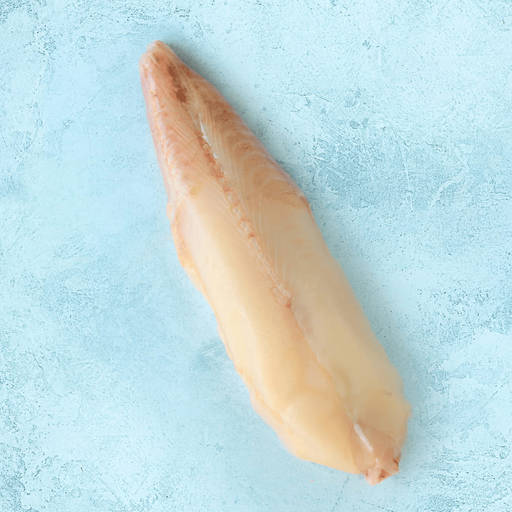
Why This Fits Their Persona: A UK-waters fish suitable for a carefully prepared dinner, including roasting, pastry wrapping or stuffing.
The listing identifies it as raw, skinless and with the membrane removed, with clear thawing and cooking instructions.
Wild caught from UK waters; 200g whole fillet; 75 kcal and 16.9g protein per 100g as listed.

Why This Fits Their Persona: A substantial pack for cooks preparing Asian-style braises, hotpots, pan-fried dishes or family meals.
The product is openly described as chunks and warns that small bones may be present, so buyers can plan preparation accordingly.
1kg frozen format; suitable for pan-frying, braising and hotpot dishes; stores at -18°C.
We have compiled a complete, real-time list of products that fully satisfy these strict selection criteria and UK safety regulations.
It can be, provided the product arrives properly frozen, the packaging is intact and it is stored at the temperature stated on the label. Keep frozen seafood at -18°C or below, thaw it in the refrigerator where instructed and do not refreeze it after thawing.
The total cost depends on pack size, delivery charges, net fish weight and waste. Frozen fish can reduce food waste because portions can remain in the freezer, but an apparently inexpensive pack may include glaze or water. Compare the price per net kilogram and the number of usable portions.
Follow the product’s best-before guidance and keep it continuously frozen at the required temperature. For quality, use opened or thawed products within the stated time, usually within 24 hours for raw fish after defrosting. Packaging instructions take priority over general storage estimates.