
24/7 Customer Support

Free returns

Same-day & Next-day Delivery

Quality Guaranteed

Unlock Your Welcome Offers: FREE Delivery | Up to 80% OFF | Free 30-day JoyPlus trial
Download the APP
As a Joybuy Product Recommendation Officer, my role is to help you navigate the crowded online marketplace. When it comes to buying matcha powder, it's easy to be misled by confusing labels and clever marketing. Many UK shoppers end up with a product that is bitter, brownish and a far cry from the vibrant green tea they were hoping for. This guide will help you understand what really matters, so you can choose the right matcha for your needs.
Before you add any matcha to your basket, be aware of these common purchasing traps:
To ensure you get a product that meets your expectations, focus on these three core parameters instead of just the marketing claims.
Understanding the practical difference between matcha types is the first step.
The source of your matcha has a significant impact on its quality.
Always check the back of the pack. For a pure experience, the ingredients list should contain only one item: "matcha" or "green tea". If you are looking for an organic matcha powder, check for official certification from a body like the Soil Association.
For pre-made latte mixes or flavoured powders, examine the order of ingredients. If sugar or creamer is listed first, it is the primary component by weight. This isn't necessarily bad if convenience is your goal, but it's important to know what you are paying for.
Based on these practical criteria, here are a few options from our catalogue matched to different needs and preferences.
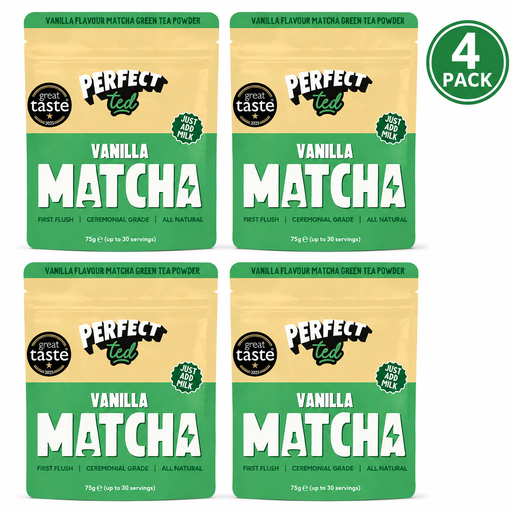
Why This Fits Their Persona: This is for the person who wants a delicious café-style vanilla matcha latte at home without any fuss. It's a pre-blended mix, removing the guesswork of balancing sweetness and flavour for a consistently enjoyable drink.
It sidesteps the "hidden sugar" trap by being transparent. It's an honest blend of ceremonial grade matcha, coconut sugar and natural flavour. You know you're getting a quality base with the convenience of a mix.
Ultimate convenience for lattes; uses high-quality ceremonial grade matcha as its base, ensuring a smooth, non-bitter taste.
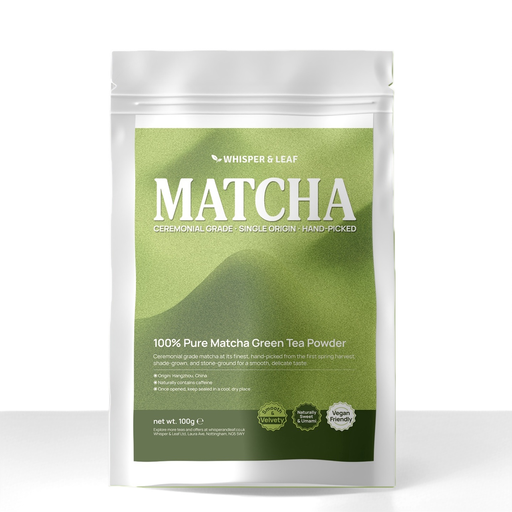
Why This Fits Their Persona: This user wants an authentic matcha experience. They appreciate the nuances of a traditional tea prepared with just water (usucha) or want the highest quality base for a pure, unsweetened latte.
It counters the "grade" and "origin" traps with specific details: 100% ceremonial grade, first spring harvest, shade-grown and single-origin. These are all hallmarks of a genuine, high-quality product.
100% pure matcha with no additives. The product details provide verifiable quality markers (harvest time, cultivar) that justify its ceremonial status.
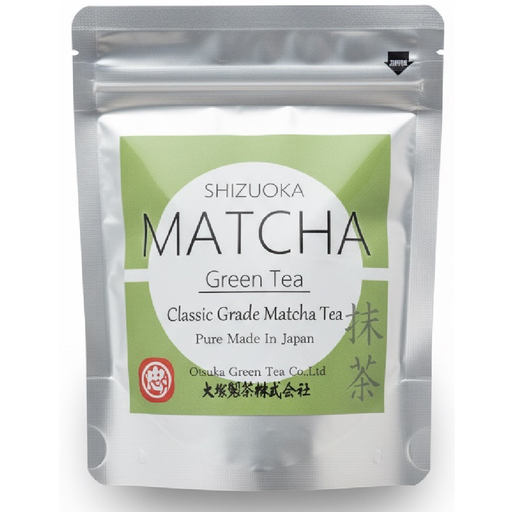
Why This Fits Their Persona: This user loves experimenting in the kitchen. They need a versatile, pure matcha for baking cakes, flavouring ice cream, or making vibrant smoothies, but don't want to use expensive ceremonial grade powder for cooking.
It avoids the origin trap by clearly stating it is from Shizuoka, Japan. Its positioning as a "classic grade" suitable for culinary use is an honest description of a versatile, all-purpose matcha, rather than an over-hyped claim.
A versatile, 100% pure powder from a renowned Japanese tea region. It offers a balanced flavour that works well for both drinking and cooking applications.
We have compiled a complete, real-time list of products that fully satisfy these strict selection criteria and UK safety regulations.
Fresh matcha powder should have a vibrant, bright green colour and a fresh, grassy aroma. If your powder has turned a dull, yellowish, or brownish colour, it has likely oxidised. This means it has lost much of its flavour and freshness. To prolong its life, always store matcha in an airtight container in a cool, dark place, such as a cupboard or the refrigerator.
Lumps are a common issue caused by the fine powder clumping together. To achieve a silky-smooth texture, it is highly recommended to sift the matcha powder through a fine-mesh sieve before adding any liquid. First, make a smooth paste by whisking the sifted powder with a small amount of hot (around 70-80°C, not boiling) water or milk. Once the paste is smooth, gradually whisk in the remaining liquid. Using a bamboo whisk (chasen) or a small electric frother is very effective.
For most people, it is not necessary. The delicate, nuanced flavours of ceremonial grade matcha are best appreciated when it is consumed with water alone. When you add milk, sweeteners and other flavourings to make a latte, these subtle notes are often masked. A good quality culinary matcha will provide a more robust tea flavour that stands up well to the other ingredients and is generally more cost-effective for this purpose.