
24/7 Customer Support

Free returns

Same-day & Next-day Delivery

Quality Guaranteed

Unlock Your Welcome Offers: FREE Delivery | Up to 80% OFF | Free 30-day JoyPlus trial
Download the APP
As a Joybuy Product Recommendation Officer, my role is to help you navigate the crowded marketplace. The world of matcha has expanded rapidly across the UK, moving from niche health food shops to mainstream supermarket aisles. While this gives us more choice, it also creates confusion. This guide will help you understand the key differences in matcha products so you can choose the right one for your needs and budget.
Before you add a vibrant green powder to your basket, be aware of a few common traps that can lead to a disappointing purchase.
matcha powder can be a mistake. Without the time or the right tools (like a bamboo whisk), you will likely end up with a clumpy, poorly mixed drink and an expensive tin gathering dust. Conversely, if you want to try traditional preparation, accidentally buying a pre-sweetened instant matcha latte mix will not provide the authentic experience you are seeking.matcha primarily in baking, smoothies or milky lattes, a top-tier, first-harvest ceremonial grade is often an unnecessary expense. The strong flavours of other ingredients can easily overwhelm the delicate, nuanced notes of a premium powder. A good quality culinary grade matcha green tea is often better suited and more economical for these applications.To make an informed choice, focus on these three practical parameters.
The most significant factor is the grade, which dictates its ideal use.
matcha powder is produced from the youngest, most tender tea leaves, which are shade-grown to increase chlorophyll and L-theanine content. The leaves are de-stemmed and de-veined before being slowly stone-ground into a fine powder. The result is a vibrant green colour, a fine texture and a naturally sweet, complex flavour with a deep umami character and minimal bitterness. It is intended for drinking on its own with water (known as usucha or koicha).matcha for lattes, smoothies, ice cream and baked goods.The label can tell you a lot about what is inside the tin.
Japanese matcha—particularly from regions like Uji (Kyoto), Nishio (Aichi) and Shizuoka—is widely held as the benchmark for quality due to centuries of perfected cultivation and processing techniques.matcha product should list only one ingredient: green tea or matcha. If you see sugar, milk powder, dextrin or other additives, you are looking at a pre-made latte mix or a sweetened blend, such as the Tsujiri Matcha Milk Strong Type or Nittoh Black Tea Instant Matcha Au Lait. For ultimate convenience, you might also consider blended matcha tea bags like those from Pukka, which combine matcha with other teas and herbs.To simplify your decision, we have matched some popular options to different user needs.
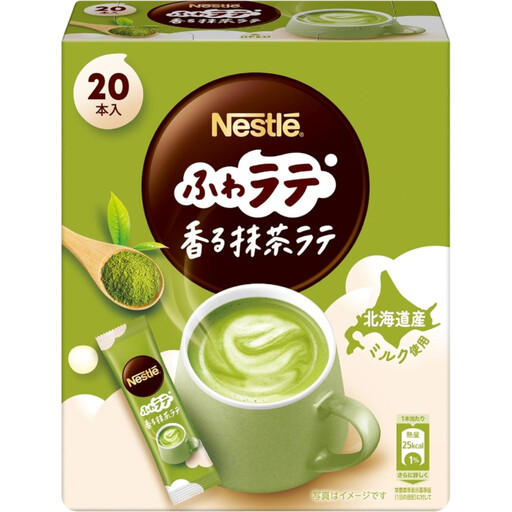
Why This Fits Their Persona: This is for the person who wants a consistent, café-style matcha latte at home or in the office without any equipment or effort. It delivers a creamy, frothy drink in seconds.
It directly solves the "pure vs. instant" mismatch. As an explicit instant matcha latte mix, it provides exactly the convenience required, preventing a frustrating experience with pure powder.
The individual stick format ensures freshness and perfect portion control every time. Simply add hot water for a balanced, smooth and slightly sweet latte.

Why This Fits Their Persona: This is for the matcha purist who wants to prepare tea in the traditional Japanese style and appreciates the finest quality. They are looking for an authentic, meditative tea experience.
It sidesteps the "ceremonial mirage" by being a genuine, super-high-grade organic matcha. Its description specifies it is from the first harvest and slowly stone-ground, justifying its premium status.
This powder has a brilliant jade green colour and a creamy, savoury umami flavour with zero bitterness. It is ideal for preparing both thick (koicha) and thin (usucha) tea.
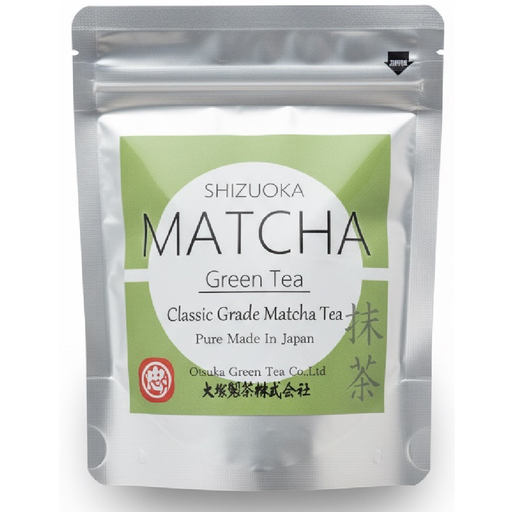
Why This Fits Their Persona: This is a great choice for someone who enjoys a daily matcha drink but also wants a versatile powder for lattes, smoothies or baking. It offers a solid balance of quality and value.
It helps you avoid overpaying. As a high-quality, pure Japanese matcha from the renowned Shizuoka region, it delivers excellent flavour for various uses without the premium price of a top ceremonial grade.
This 100% pure matcha offers a balanced flavour profile with both umami depth and gentle bitterness, making it highly versatile for both traditional drinking and modern culinary creations.
We have compiled a complete, real-time list of products that fully satisfy these strict selection criteria and UK safety regulations.
Once opened, matcha powder is sensitive to light, heat and air, which can degrade its colour and flavour. The best practice is to store it in an airtight, opaque container in the refrigerator. This will help preserve its freshness, vibrant colour and nutritional properties for longer.
For preparing pure matcha powder with water, a bamboo whisk is highly recommended. Its fine tines are specifically designed to break up clumps and aerate the tea, creating the signature smooth, frothy layer on top. For instant matcha latte mixes or for adding matcha to smoothies, a regular spoon or a small electric milk frother will work just fine.
While you can certainly use it, the delicate, nuanced flavours of a premium ceremonial grade matcha are often masked by the taste and texture of milk and any added sweeteners. For daily lattes, a high-quality culinary grade matcha often provides a more robust tea flavour that cuts through the milk more effectively and is a more economical choice.