
24/7 Customer Support

Free returns

Same-day & Next-day Delivery

Quality Guaranteed

Unlock Your Welcome Offers: FREE Delivery | Up to 80% OFF | Free 30-day JoyPlus trial
Download the APP
From vibrant green lattes filling our social media feeds to its quiet, mindful preparation in homes across the UK, matcha green tea has firmly established itself as more than just a trend. Yet, as its popularity grows, so does the confusion. The market is flooded with options, and it's easy to feel overwhelmed by terms like "ceremonial grade" or promises of "authentic Japanese" origin. Many shoppers find themselves disappointed with a product that is bitter, dull in colour or simply not what they expected.
As a Joybuy Product Recommendation Officer, my role is to help you navigate this complex landscape. We'll look past the marketing hype and focus on the practical details, ensuring your next matcha purchase is the right one for you. Here are the most common pitfalls to be aware of.
To avoid these issues, focus on a few core parameters. Understanding these will empower you to select a product that genuinely matches your needs, whether you're a home barista or a curious foodie.
The single most important factor is how you plan to use your matcha. This will determine the grade you should be looking for.
Always check the back of the pack. A pure organic matcha powder should have just one ingredient: 100% matcha. If you see sugar, milk powder, dextrin or "green tea powder" listed, you are looking at a blend or a latte mix.
These flavoured matcha or pre-sweetened mixes can be a great, convenient option if that's what you're after. However, it's crucial to know what you're buying. Also, keep an eye out for related products like hojicha powder, which is made from roasted green tea leaves and offers a nutty, less caffeinated alternative.
Authentic, high-quality matcha is almost exclusively a product of Japan. Regions like Uji (Kyoto), Shizuoka and Kagoshima are renowned for their tea cultivation. A product that clearly states its Japanese matcha origin is often a good sign.
Colour is your next clue. High-grade matcha has a brilliant, vivid green hue. A dull, swampy or yellowish-green powder often indicates a lower-quality product that may be old, oxidised or made from sun-grown leaves.
To help you find a starting point, we've matched some products to different user needs, keeping the common pitfalls and key parameters in mind.
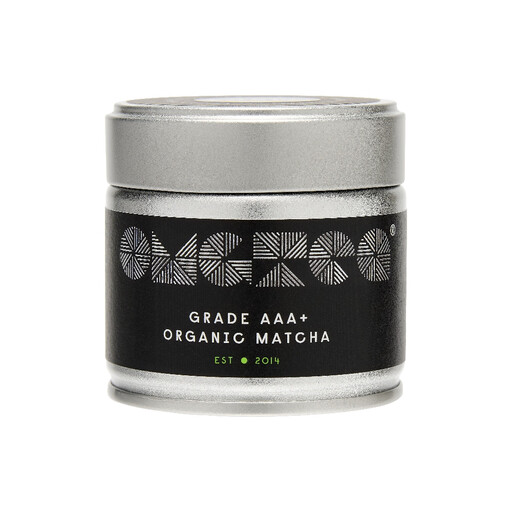
Why This Fits Their Persona: This user wants the authentic, traditional matcha experience. They appreciate the subtle, complex flavours of high-quality tea prepared simply with water and seek a product suitable for a mindful daily ritual.
It sidesteps the "ceremonial grade" trap by being a genuinely high-grade powder, crafted from the first harvest and stone-ground. Its description specifies it is for purists, setting a clear expectation of quality and use.
This is a 100% organic matcha powder with a brilliant jade green colour and a naturally sweet, creamy flavour profile with zero bitterness, making it ideal for traditional preparation (usucha or koicha).
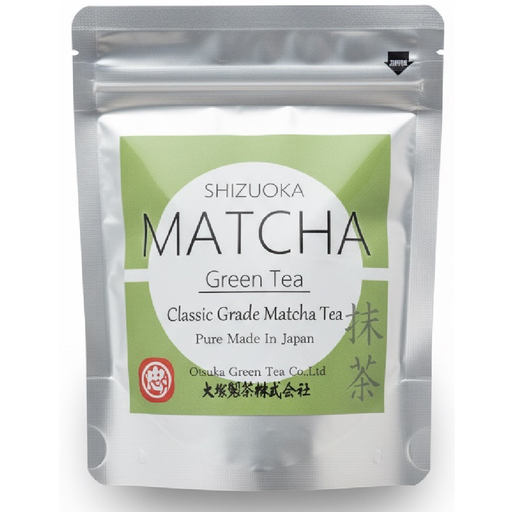
Why This Fits Their Persona: This user loves making café-style drinks at home. They need a versatile, high-quality powder that has enough flavour to stand up to milk and sweeteners for a perfect latte, but is also pure enough for other culinary creations.
It avoids the hidden ingredients pitfall by being 100% pure green tea. It also avoids the vague origin problem by clearly stating it is from Shizuoka, Japan, a region known for quality tea production.
This classic grade matcha offers a balanced flavour of umami and gentle bitterness, making it highly versatile for both traditional tea and, more importantly for this user, lattes and baking.
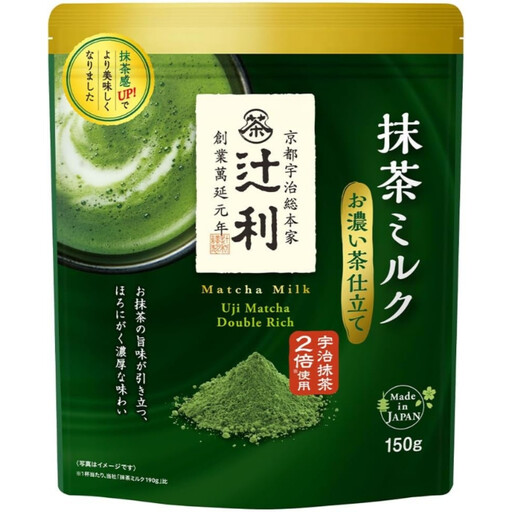
Why This Fits Their Persona: This user is looking for a quick, no-fuss way to enjoy a sweet, creamy matcha latte without needing a whisk or multiple ingredients. They prioritise taste and convenience over the traditional preparation process.
It is transparent about being a pre-sweetened latte mix. The ingredients clearly list sugar and milk components first, so it avoids the pitfall of pretending to be pure matcha. You know you are buying a convenience product.
This is an all-in-one mix that delivers a rich, creamy and balanced sweet matcha flavour by simply adding hot or cold water/milk. It's a quick and easy way to get a consistent café-style drink at home.
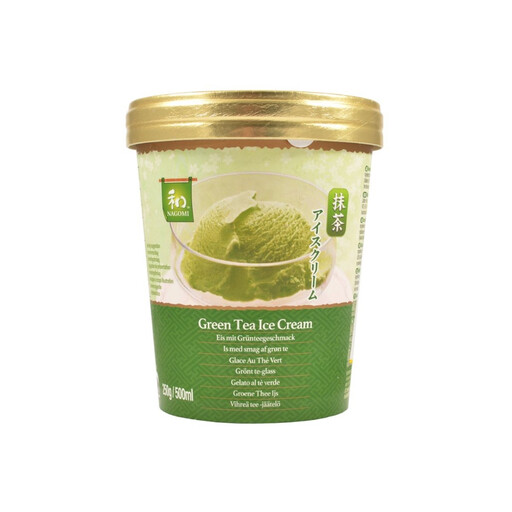
Why This Fits Their Persona: This user loves exploring new flavours and enjoys sharing unique, high-quality treats with friends and family. They are looking for a ready-to-serve dessert that offers a sophisticated and authentic taste experience.
It avoids misrepresentation by being exactly what it claims to be: a premium dessert. It clearly states it is made with 3% matcha powder, setting an honest expectation for the flavour profile within a creamy ice cream base.
This offers a convenient, ready-to-eat way to enjoy an authentic matcha flavour. The creamy, velvety texture perfectly balances the bittersweet notes of the green tea, making for a refined dessert.
We have compiled a complete, real-time list of products that fully satisfy these strict selection criteria and UK safety regulations.
Matcha is delicate and sensitive to light, air and heat. To preserve its vibrant colour and flavour, it's advisable to store it in an airtight container in the refrigerator after opening. Unopened tins or bags should be kept in a cool, dark place. This prevents oxidisation, which can turn the powder bitter and dull its colour.
While both come from the same plant, the key differences are in the cultivation and preparation. Matcha is made from tea leaves that are shade-grown for about three weeks before harvest. This process boosts chlorophyll and L-theanine levels. After harvesting, the leaves are steamed, dried and stone-ground into a fine powder. You consume the entire leaf. Regular green tea, like sencha, is typically sun-grown and the leaves are infused in hot water, which is then drunk after the leaves are discarded.
While Japan is the historical and cultural home of matcha, and widely considered to produce the highest quality, not all matcha on the market is from there. Some is now produced in other countries. For an authentic flavour profile, especially for ceremonial grade, looking for a product that specifies its Japanese matcha origin from a recognised region is a reliable approach.