
24/7 Customer Support

Free returns

Same-day & Next-day Delivery

Quality Guaranteed

Unlock Your Welcome Offers: FREE Delivery | Up to 80% OFF | Free 30-day JoyPlus trial
Download the APP
Buying fresh protein online can save a trip to the supermarket and open access to premium beef steaks, frozen seafood and specialist cuts. However, attractive product descriptions do not always tell you whether an item suits your cooking method, storage space or household size.
Before you buy meat and fish online in the UK, focus on the details that affect value: the cut, net weight, storage requirements, origin, preparation instructions and delivery condition.
A label such as “steak” does not mean every cut should be cooked in the same way. Beef fillet steak and beef sirloin steak are suited to quick, high-heat cooking, while diced beef chuck steak contains connective tissue that needs time to soften.
Similarly, beef bavette steak can be flavourful and quick to cook, but it should be sliced against the grain after resting. Beef short ribs may need grilling, braising or oven finishing depending on their thickness.
Wagyu beef, dry-aged beef and grass-fed beef describe different characteristics. Wagyu generally refers to breed or genetics and may indicate more marbling, while dry ageing refers to a maturation process. Grass-fed describes the animals’ diet, but shoppers should still check the stated origin, pack size and ingredients.
A product described as premium may also be a small pack. Compare the price per 100g, number of portions and usable meat rather than relying on presentation alone.
Chilled and frozen meat and fish need different handling. Check whether the product must be kept at 0–5°C or at –18°C or below, and make sure someone can receive the delivery promptly. Frozen items should generally not be refrozen once thawed, while chilled products may have a short use-by window.
Always read the packaging on arrival. Product labels provide the applicable use-by or best-before date, storage conditions and allergen information.
Use the following guide when comparing products:
Thickness matters. Thin slices may cook in seconds, whereas a thick bone-in short rib or T-bone requires more careful heat control.
A 200–250g steak is often a practical single portion, while a 400–500g pack may suit two people or a family meal depending on side dishes. For catering businesses and frequent home cooks, a 1kg pack can reduce repeat ordering but requires sufficient freezer capacity.
Check whether the listed weight includes bone, brine or oil. For tinned tuna, compare drained weight and storage instructions, not only the front-of-pack net quantity.
Look for clear information about:
For example, a product labelled sashimi grade should still be handled according to its instructions and kept cold. Do not assume that every tuna steak is ready to eat raw. Some canned tuna products specifically state that cooking is required.

Why This Fits Their Persona: A compact ambient product for salads, sandwiches and quick cooked meals, with no freezer space required.
The ingredients and 160g quantity are stated clearly, helping you compare brine content and portion size.
Skipjack tuna in light brine; suitable for grilling, pan-frying or cooked dishes.
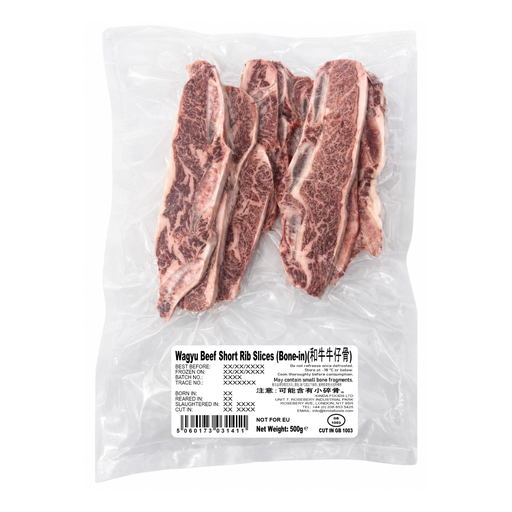
Why This Fits Their Persona: Thick-cut, bone-in short ribs are suited to barbecue cooking, pan-searing or oven finishing for diners seeking a more distinctive beef cut.
The product specifies 100% British Wagyu beef, a 500g pack and frozen storage at –18°C or below.
Bone-in short ribs with stated British origin; suitable for home cooking and professional catering.
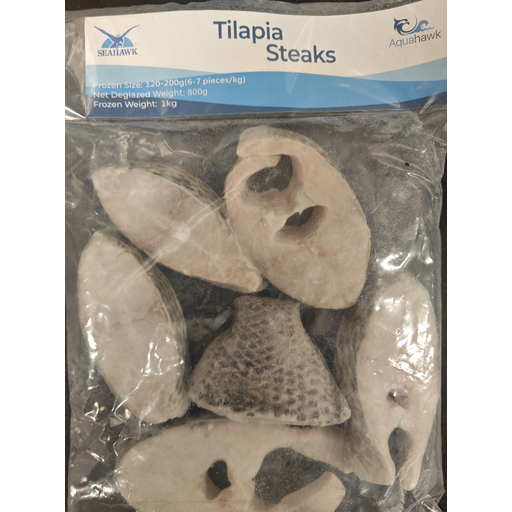
Why This Fits Their Persona: The larger frozen pack works for family meal planning, batch cooking and catering kitchens that need multiple portions.
The pack states an 800g net weight and six or seven steaks, making portion planning more transparent.
Frozen white tilapia; suitable for frying, grilling and baking.
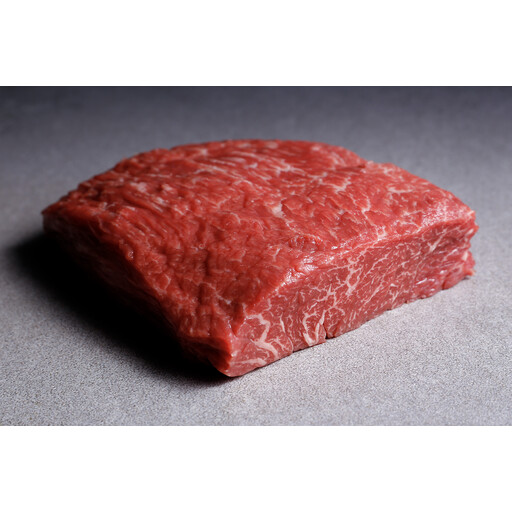
Why This Fits Their Persona: A thin steak for home cooks who want a strongly flavoured cut that can be fried quickly over high heat.
The listing identifies the cut as bavette and explains that it is thin and intended for rapid frying.
100% beef; grass-fed Aberdeen Angus or Hereford sourcing is stated in the product information.
We have compiled a complete, real-time list of products that fully satisfy these strict selection criteria and UK safety regulations.
For a dry-aged beef option, the HG Walter Beef Sirloin Steak 250g provides a single portion with a stated dry-aged beef description and refrigerated storage guidance. The HG Walter Beef Fillet Steak 220g is a lean tenderloin cut with a fine grain, while the HG Walter T-Bone Steak 450g combines sirloin and fillet on the bone.
For slower recipes, HG Walter Chuck Steak Diced 500g is cut into consistent pieces for stews, casseroles and braises. Pork steaks shoppers can compare Wicks Manor Pork Collar Steaks 1kg or HG Walter Pork Neck Steaks x 2 400g, checking whether chilled or frozen storage suits their kitchen.
Seafood shoppers may also consider The Fish Society Wild Sockeye Salmon Fillet Steaks 220g. It contains fish and may contain crustaceans or molluscs, so allergen information should be checked before purchase. For sustainable seafood choices, look for specific sourcing or fishing-method information rather than assuming that a general sustainability statement applies to every product.
The price varies by cut, pack size, delivery charge and storage format. Compare the cost per 100g, portion count and any minimum order value. Tinned tuna and larger frozen packs can be practical for regular cooking, while dry-aged beef and Wagyu beef usually cost more because of the cut, preparation or production details.
Move frozen products to a freezer operating at –18°C or below as soon as possible. Defrost in the refrigerator unless the packaging gives another safe method. Do not refreeze products once thawed, and follow the label’s time limit for use after defrosting.
No. Check the product instructions carefully. Some tuna products are intended for cooking only, while a product specifically supplied for sashimi or sushi may provide separate raw-consumption guidance. Keep it chilled, avoid cross-contamination and follow the packaging instructions precisely.