
24/7 Customer Support

Free returns

Same-day & Next-day Delivery

Quality Guaranteed

Unlock Your Welcome Offers: FREE Delivery | Up to 80% OFF | Free 30-day JoyPlus trial
Download the APP
Navigating the world of Japanese snacks can be a delightful journey, but with so many options available online, finding high-quality, authentic mochi can feel overwhelming. These soft, chewy rice cakes come in a vast array of flavours and textures, from traditional red bean fillings to modern ice cream centres.
As the Joybuy Product Recommendation Officer, my role is to help you find products that suit your taste. This guide cuts through the clutter, offering straightforward advice and highlighting some noteworthy options to help you buy mochi online with confidence.
Before you add to your basket, a little knowledge goes a long way. Here are a few practical points to consider when selecting your perfect pack of these chewy rice cakes.
The term 'mochi' covers a wide range of treats. The most common types you'll find in the UK are:
The base of traditional mochi is glutinous rice flour, sugar and water, making it naturally gluten-free. However, fillings and additional ingredients can introduce allergens. If you have specific dietary needs, always check the label. For vegan mochi, look for options with fruit paste or sorbet fillings and ensure no milk or egg derivatives are listed in the ingredients.
From the earthy notes of matcha mochi to the sweet burst of mango mochi, the filling defines the experience. Fruit-based mochi often uses purées or jellies for a fresh, vibrant taste, while others might feature richer, creamier fillings. Consider what flavour profile you typically enjoy in a dessert to guide your choice.
Here are a few standout options available for delivery across the UK, selected for their distinct characteristics and flavour profiles.
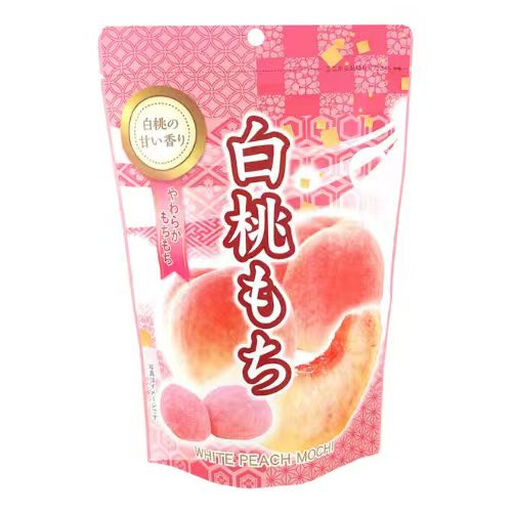
Why It Stands Out: This fruit mochi from Japan offers a sophisticated and delicate flavour. The use of white peach juice provides an authentic, fragrant taste that isn't overly sweet. Its unique dual-layer texture, combining a soft mochi exterior with a fruit jelly centre, creates a more complex and satisfying bite than single-filling varieties.
Pros:
Who is it for? Anyone who appreciates subtle, floral fruit flavours and is looking for an elegant, light snack to pair with green tea.

Why It Stands Out: For lovers of green tea, this matcha mochi delivers a robust flavour. It incorporates green tea powder into both the outer mochi dough and the inner paste filling, resulting in a deep, earthy matcha experience. The high content of glutinous rice (25%) and maltose (25%) ensures the classic soft, tender and chewy texture expected from traditional Japanese snacks UK fans seek.
Pros:
Who is it for? Matcha enthusiasts and those who prefer less sweet, more complex earthy flavours in their desserts.

Why It Stands Out: This is a fantastic choice for a refreshing frozen treat, especially for those seeking dairy-free options. As a type of mochi ice cream, it swaps traditional ice cream for a vibrant mango sorbet made from real mango purée. This makes it a completely vegan mochi dessert. The tropical mango mochi flavour is bright and authentic, offering a perfect balance to the soft, chewy rice dough exterior.
Pros:
Who is it for? Those looking for a cooling summer dessert, a vegan-friendly treat or anyone who loves the taste of tropical fruit.
The world of mochi is vast, with new and exciting fruit combinations becoming available all the time. If the white peach option caught your eye and you're curious to explore other fruit-filled varieties, there are many more to discover.
From strawberry to lychee, exploring different flavours is part of the fun. To see a wider selection of similar products, why not browse our full Fresh Fruit Mochi category?
1. What does mochi taste like? The mochi dough itself has a very mild, slightly sweet and rice-like flavour. Its primary role is to provide a uniquely soft, springy and chewy texture. The main flavour of the dessert comes from its filling, which can be anything from sweet red bean paste and earthy matcha to fresh fruit purées or creamy ice cream.
2. Is mochi suitable for vegans? It can be. The basic mochi dough is typically vegan, but the fillings are what you need to check. Traditional daifuku with red bean or fruit paste fillings are often vegan. However, some varieties may contain milk or cream in the filling. Mochi ice cream is usually not vegan unless it is made with a dairy-free base, such as the mango sorbet option featured in this guide. Always check the ingredients list.
3. How should I eat mochi? Shelf-stable mochi like the peach and matcha varieties are ready to eat straight from the packet. They are best enjoyed at room temperature. Mochi ice cream must be eaten frozen, but it's a good idea to let it sit for a minute or two after taking it out of the freezer to allow the outer mochi layer to soften slightly. Due to its chewy texture, it's always recommended to take small bites and chew thoroughly.