
24/7 Customer Support

Free returns

Same-day & Next-day Delivery

Quality Guaranteed

Unlock Your Welcome Offers: FREE Delivery | Up to 80% OFF | Free 30-day JoyPlus trial
Download the APP
From a simple cup of tea to an elaborate celebration cake, sugar is a cornerstone of the British kitchen. Yet, when you decide to buy sugar online, the sheer variety can be overwhelming. What was once a simple choice between white and brown has expanded into a complex world of crystal sizes, molasses content and ethical certifications. Choosing incorrectly can lead to disappointing bakes and wasted ingredients.
Many home cooks fall into a few common traps. The first is the "one-sugar-fits-all" approach, often using granulated sugar for delicate sponges, resulting in a dense, gritty texture. Another pitfall is misunderstanding the term "brown sugar"; the difference in moisture and flavour between a light soft brown and a dark muscovado sugar can dramatically alter a recipe. Finally, many shoppers are unsure what labels like Fairtrade sugar truly mean for their purchase and the producers. This guide will help you navigate these choices, ensuring you select the right sugar for your needs every time.
Before adding a bag to your basket, understanding a few core parameters will transform your shopping and your cooking. These details determine the texture, flavour and success of your final dish.
The size of the sugar crystal is perhaps the most critical factor in baking. It directly impacts dissolving speed and aeration—the process of incorporating air into a mixture.
The difference between white and brown sugar comes down to one key ingredient: molasses. This natural syrup, a by-product of the sugar refining process, dictates the sugar's colour, moisture level and flavour profile.
For many UK shoppers, the origin of their food matters. When you see a Fairtrade certification on a pack of sugar, it signifies that the product was traded in compliance with Fairtrade standards. This helps to ensure that small-scale sugarcane farmers in developing countries receive a fair price for their crop, enabling them to invest in their communities and build a more sustainable future. Choosing Fairtrade is a practical way to support ethical production while still getting a high-quality ingredient for your kitchen.
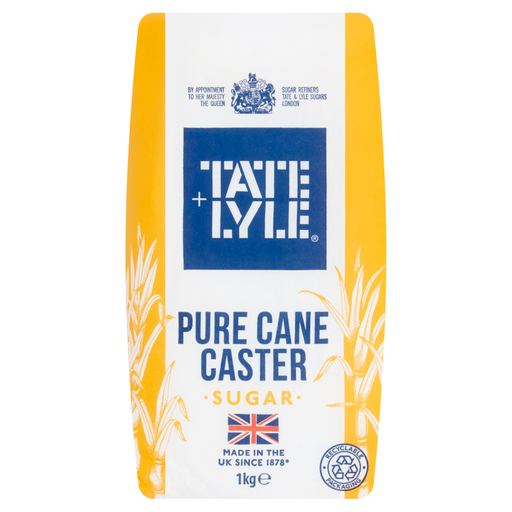
Why This Fits Their Persona: This is the quintessential workhorse for anyone who regularly bakes in the UK. It's the perfect all-rounder for Victoria sponges, shortbread, meringues and general sweetening, delivering consistent and reliable results.
It directly avoids the "one-sugar-fits-all" pitfall by providing the correct fine crystal size needed for light and airy bakes, preventing the dense texture that granulated sugar can cause.
Its fine crystals dissolve rapidly and evenly, ensuring a smooth batter and excellent volume in cakes. It is made from 100% pure cane sugar.
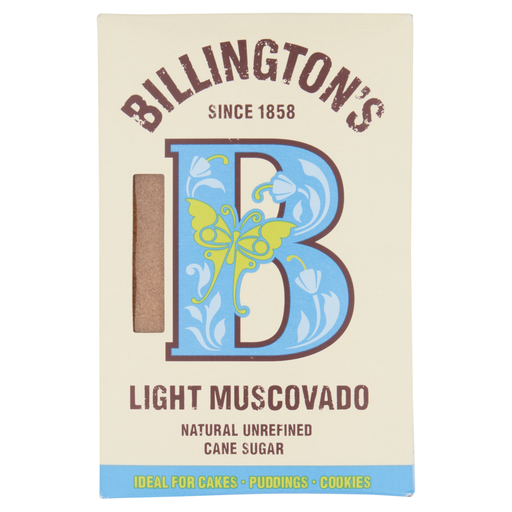
Why This Fits Their Persona: For the cook who sees sugar as a flavour ingredient, not just a sweetener. This muscovado is perfect for creating chewy cookies, rich chocolate cakes and complex marinades where its deep, honey-like notes can shine.
This product clarifies the difference between generic "brown sugar" and a quality unrefined muscovado, showcasing the superior flavour and moisture that natural molasses provides.
Its unrefined nature preserves the natural molasses of the sugar cane, delivering a distinctive richness, moist texture, and depth of flavour that refined sugars lack.
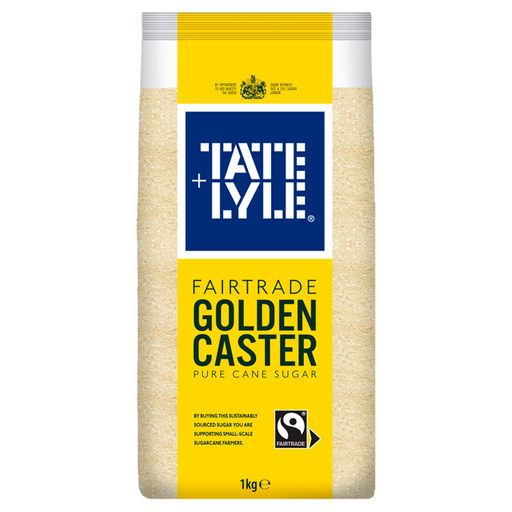
Why This Fits Their Persona: This sugar offers the best of both worlds: the high-performance fine crystals of caster sugar for excellent baking results, combined with the assurance of ethical sourcing through the Fairtrade certification.
It demystifies the "ethical" label by providing a clear, internationally recognised Fairtrade certification, ensuring your purchase supports sustainable community development without compromising on quality.
It is a certified Fairtrade product that also delivers a delicate golden colour and subtle honeyed notes from its retained molasses, adding a gentle richness to bakes.
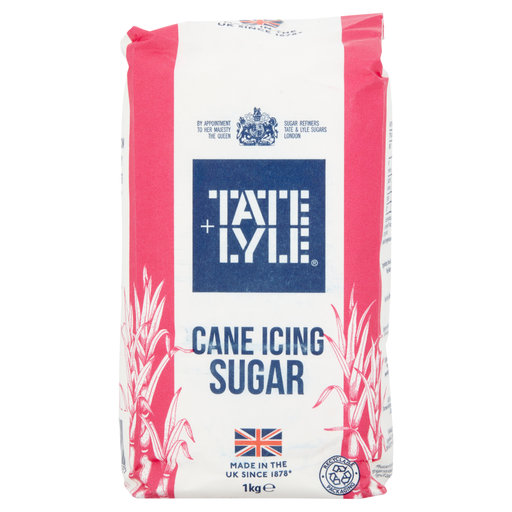
Why This Fits Their Persona: For anyone focused on the finishing touches, this is an essential. Its powdered form is non-negotiable for creating perfectly smooth buttercream, royal icing for biscuits, or a simple, elegant dusting over a tart.
It prevents the disastrous outcome of trying to make icing with caster or granulated sugar, which results in a grainy, unpleasant texture that can ruin the appearance and mouthfeel of a dessert.
It has a fine, silky texture that dissolves instantly in liquid or fat for lump-free results. The addition of maize starch helps prevent it from clumping in the bag.
We have compiled a complete, real-time list of products that fully satisfy these strict selection criteria and UK safety regulations.
The primary difference is the crystal size. Caster sugar has much finer crystals than granulated sugar. This allows it to dissolve more quickly and incorporate more air when creamed with butter, making it the preferred choice for light cakes, meringues and mousses. Granulated sugar is better suited for general sweetening, such as in hot drinks or for making syrups and jams where its slower dissolving rate is not an issue.
You can, but be aware of the consequences. Because brown sugar contains molasses, it will add more moisture, a darker colour and a distinct caramel or toffee flavour to your bake. This can be a delicious modification for recipes like chocolate chip cookies or apple crumble, but it may not be desirable in a light, delicate vanilla sponge where it would alter the intended flavour and texture.
For white sugars like granulated and caster, storing them in a cool, dry place in their original packaging or a sealed container is usually sufficient. For moist sugars like light brown, dark brown and muscovado, the key is to prevent them from drying out. Once opened, transfer them to an airtight container immediately. If they do harden, you can place a piece of bread or a slice of apple in the container for a day to help reintroduce moisture and soften the sugar.