
24/7 Customer Support

Free returns

Same-day & Next-day Delivery

Quality Guaranteed

Unlock Your Welcome Offers: FREE Delivery | Up to 80% OFF | Free 30-day JoyPlus trial
Download the APP
Udon noodles have become a staple in many UK kitchens, and for good reason. These thick wheat noodles offer a satisfyingly chewy texture and are incredibly versatile, perfect for a comforting bowl of soup on a rainy day or a quick stir-fry after a long day at work. However, the growing popularity of Japanese noodles has flooded the market with options, making it difficult to choose the right one.
Many home cooks find themselves disappointed, ending up with noodles that are mushy, bland or simply wrong for their intended dish. Before you add a pack to your basket, it's worth understanding a few common pitfalls that can lead to a less-than-perfect meal.
To ensure you get the texture and quality you're looking for, focus on these two key parameters. They are far more important than flashy packaging or marketing claims.
The format of the udon is the single most important factor affecting its texture, cooking time and suitability for different dishes.
A quick look at the ingredients list can tell you a lot. Traditional udon is made from a simple trio: wheat flour, water and salt. While some modern variations include starches or acidity regulators to improve texture and shelf life, a shorter, simpler ingredient list is often a sign of a more traditional product.
The thickness of these thick wheat noodles also matters. Wider, flatter noodles are excellent at soaking up rich broths, making them perfect for soup. Slightly thinner, rounder varieties can be better for stir-frying as they separate more easily in the wok.
To help you navigate the options, we've matched some reliable products to different cooking needs and lifestyles.
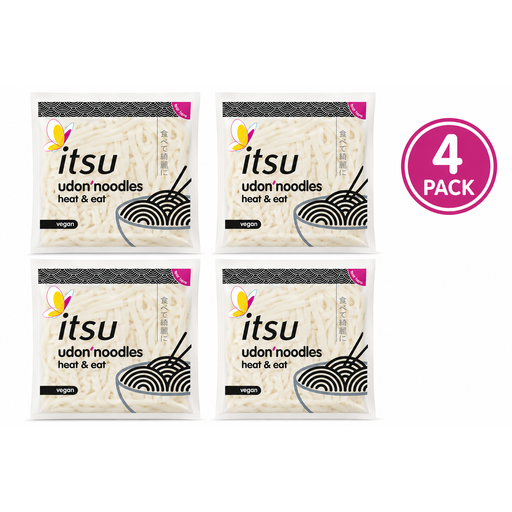
Why This Fits Their Persona: For busy professionals or students in the UK, speed is everything. These pre-cooked, single-serving packs eliminate prep time. You can have a satisfying meal ready in minutes by adding them straight to a broth or stir-fry, making them a perfect solution for a quick lunch or dinner.
This product avoids the "convenience kit tax" by providing just the noodles. This gives you a high-quality, quick-cook base while allowing you the freedom to add your own fresh vegetables, protein and sauces for a more wholesome and flavourful meal.
Ultimate convenience with no boiling required. The individual 150g portions are ideal for solo meals, helping to reduce food waste.
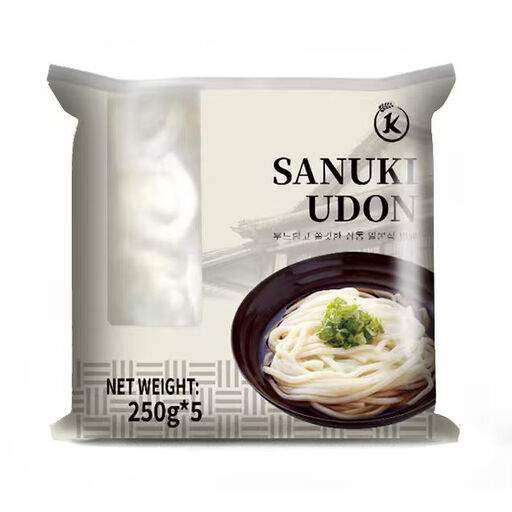
Why This Fits Their Persona: For the home cook dedicated to recreating authentic Japanese dishes, texture is non-negotiable. Frozen udon provides a superior firm and chewy bite that is as close as you can get to restaurant-quality without making the noodles from scratch.
This product directly counters the "freshness illusion" pitfall. Instead of a shelf-stable noodle that can sometimes be soft, this frozen version retains the moisture and structure needed for that classic bouncy texture after a quick boil.
Delivers an excellent chewy texture ("koshi") that holds up well in hot broths. The simple ingredient list (Water, Wheat Flour, Thickener, Salt, Wheat Gluten) is a plus.
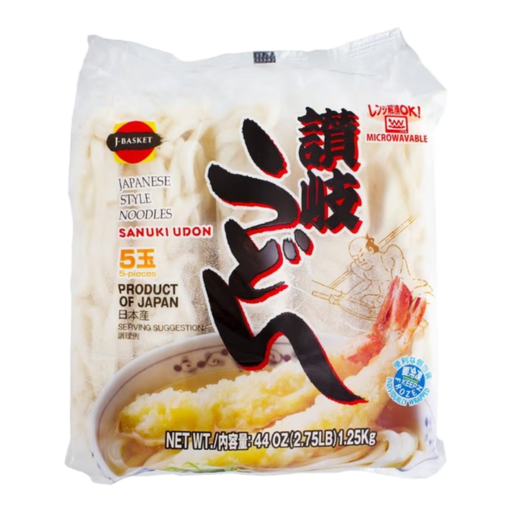
Why This Fits Their Persona: When you're cooking for a family or simply love to have a well-stocked pantry, buying in bulk makes sense. This 1.25kg pack offers fantastic value and ensures you always have a quick and easy meal base on hand for multiple occasions.
This pack provides excellent value by offering bulk udon noodles at a lower cost-per-serving. It combines the convenience of pre-cooked noodles with the economic sense of a larger pack size, avoiding the higher costs of buying single portions repeatedly.
Great value for money and a large quantity for family meals or batch cooking. The pre-cooked format still ensures a quick and convenient meal preparation process.
We have compiled a complete, real-time list of products that fully satisfy these strict selection criteria and UK safety regulations.
The primary difference lies in their processing and storage, which affects texture and cooking time. Pre-cooked noodles are convenient and ready to heat. Frozen noodles offer a superior chewy texture after a short boil. Dried noodles have the longest shelf life and require more cooking time but yield a firm, satisfying result.
Not at all. While they are famous in noodle soups, udon are incredibly versatile. Their thick, robust structure makes them perfect for stir-fried dishes like yaki udon noodles, where they are pan-fried with vegetables and a savoury sauce. They can also be served chilled in the summer with a dipping sauce.
Storage depends on the type. For opened packs of pre-cooked or thawed frozen udon noodles, place them in an airtight container in the refrigerator and consume within one to two days. Dried udon noodles should be kept in a sealed, airtight container in a cool, dry pantry, where they will last for many months.