
24/7 Customer Support

Free returns

Same-day & Next-day Delivery

Quality Guaranteed

Unlock Your Welcome Offers: FREE Delivery | Up to 80% OFF | Free 30-day JoyPlus trial
Download the APP
Udon noodles are a staple of Japanese cuisine, celebrated for their thick, chewy texture that makes any meal deeply satisfying. Whether you're planning a comforting noodle soup or a sizzling stir-fry, choosing the right udon is key. However, with so many options available online, it's easy to end up with noodles that turn mushy or don't deliver that authentic bite. As a Joybuy Product Recommendation Officer, my role is to help you navigate the choices and find the perfect udon for your kitchen.
This guide cuts through the marketing jargon, focusing on the practical details that matter. We'll look at the common pitfalls UK shoppers face and break down the essential factors to check before you buy udon noodles, ensuring you get great value and fantastic flavour every time.
Many home cooks are left disappointed by their udon purchase because of a few common misunderstandings. Here’s what to watch out for:
To avoid these issues, focus on a few key parameters. Analysing these details will help you select the right product for your needs.
The format of the noodle is the single biggest factor affecting both convenience and final texture.
Authentic Japanese udon noodles are traditionally made from a simple list of ingredients: wheat flour, water and salt.
When checking the label, look for high-quality wheat flour as the primary ingredient. Some products may include tapioca or modified starches, which can alter the texture, sometimes making it softer. The country of origin—be it Japan, Korea or China—can also indicate different production styles and noodle characteristics.
To truly assess value, ignore the "number of packs" and look at the total net weight. Calculate the price per 100g to make an accurate comparison between different brands and pack sizes. A large udon multipack is often more economical for families or if you plan to make dishes like yaki udon noodles regularly.
Based on these practical criteria, here are a few recommendations matched to different home-cooking needs.
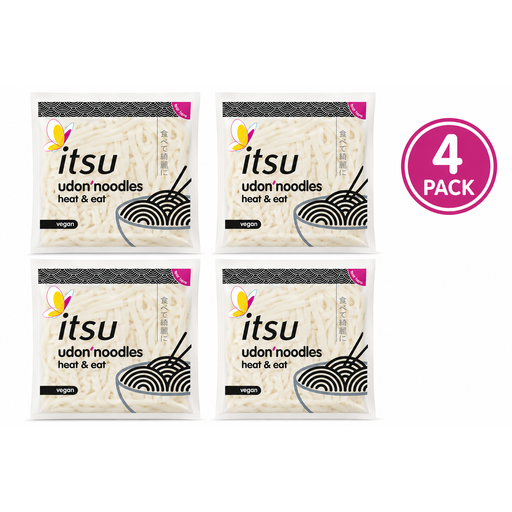
Why This Fits Their Persona: Perfect for quick weeknight dinners. These pre-cooked, individually packed noodles can be added straight to a pan for a stir-fry or a pot for soup, cutting down meal prep time significantly.
This is clearly marketed as a convenient, shelf-stable product, avoiding the "freshness" confusion. The 4x150g multipack format is explicitly stated, so you know exactly what you're getting.
Ultimate convenience; ready in minutes. The individual portions help reduce food waste.
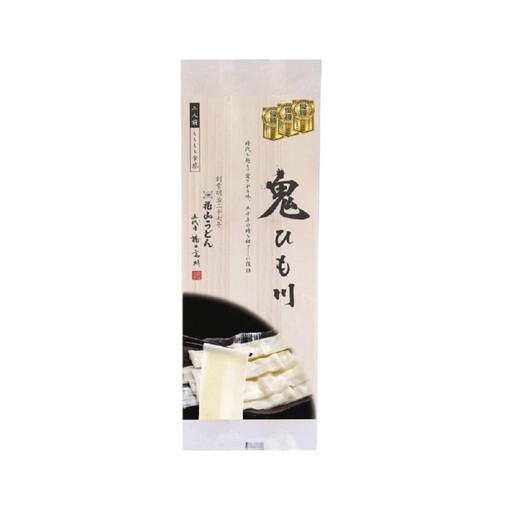
Why This Fits Their Persona: For the home cook who wants to recreate an authentic Japanese meal. These dried noodles are made in Japan from premium wheat and offer a superior texture when cooked correctly.
As a dried product, it completely avoids the "mushy noodle" trap of lower-quality pre-cooked options. The simple ingredient list (wheat flour, salt) is a sign of its traditional quality.
Made in Japan for an authentic taste and texture. The unique, extra-wide "Onihimokawa" shape provides a distinctive and satisfying eating experience.
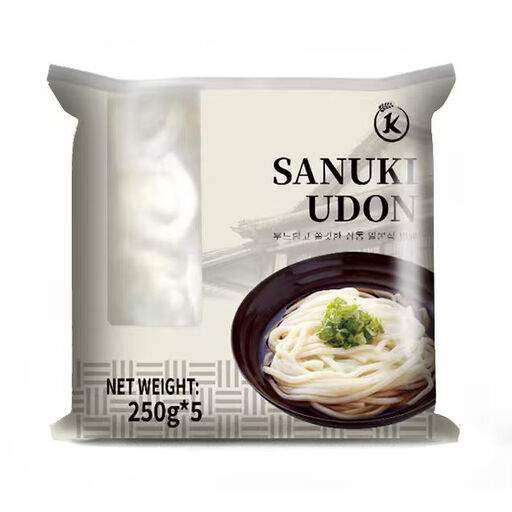
Why This Fits Their Persona: An excellent choice for families or bulk-buying. This pack provides five generous 250g portions, offering great value and a fantastic texture that holds up well in soups and stir-fries.
This multipack offers clear value with a total weight of 1.25kg, avoiding the "vague multipack" trap. The frozen format preserves a near-fresh texture, steering clear of the mushiness of some ambient noodles.
Excellent texture retention due to being frozen. The large 250g portions are satisfying, and the bulk pack offers great value for money.
We have compiled a complete, real-time list of products that fully satisfy these strict selection criteria and UK safety regulations.
The key is to avoid overcooking. For pre-cooked noodles, they only need to be heated through for 1-2 minutes in your dish. For dried noodles, follow the packet instructions and consider cooking them for a minute less than stated for an "al dente" or firm texture, especially if you're adding them to a hot soup where they will continue to cook.
Pre-cooked udon offers maximum convenience. It's ready in minutes and is great for quick meals. Dried udon requires a longer boiling time but gives you more control over the texture, often resulting in a firmer, chewier bite that many people prefer for traditional udon for soup dishes.
Absolutely. Udon's robust texture makes it incredibly versatile. It is excellent in stir-fries, such as the classic yaki udon noodles, where the thick noodles are fried with meat, vegetables and a savoury sauce. They can also be served cold in summer with a dipping sauce, known as zaru udon.