Conventional cake bakers
If you are making a sweet cake, start with its specified flour and raising method, not a pasta shape. Good Food’s chocolate-cake recipe, for example, uses plain and self-raising flour.


For a conventional sponge, loaf or chocolate cake, buy the flour specified by the recipe rather than dried pasta. Good Food’s cake guidance uses plain or self-raising flour, while Barilla describes its dried spaghetti as a semolina-and-water product to be boiled; a recipe that calls for pasta as a separate ingredient is a different project.
If you are making a sweet cake, start with its specified flour and raising method, not a pasta shape. Good Food’s chocolate-cake recipe, for example, uses plain and self-raising flour.
If dried pasta is what you have in the cupboard, check what the cake recipe actually requires before shopping. Barilla’s spaghetti is shaped semolina-and-water pasta intended for cooking, not a direct replacement for the flour in conventional cake batter.
Decide whether you are making a conventional cake or following a recipe that specifically uses pasta. For a cake, match the flour and raising method in the recipe before choosing a product.
| Concern | What to check | Who this matters to |
|---|---|---|
| Recipe-specified flour | Match the stated flour type. If the recipe calls for plain flour and needs lift, follow its raising-agent instructions. | I want to make a conventional cake, so the flour and raising method need to match the recipe. About 50% of consumers put getting those ingredients right first. |
| Pasta’s role in the recipe | Buy a pasta shape only when the complete recipe names it and explains its preparation. | For an unusual or savoury project, I need to know whether pasta is an ingredient in its own right rather than a stand-in for flour. Making that distinction comes first for about 40% of consumers. |
| Ingredients and allergens | Read the current pack for the particular flour or pasta variant, and use a recipe suited to the dietary requirement. | If I am choosing ingredients around an allergy or dietary restriction, the exact pack matters more than a general category description. Checking that information is the primary need for about 10% of consumers. |
Both can be wheat-based, but Barilla’s dried spaghetti is shaped pasta intended to be boiled. Buying it instead of the flour named in a conventional cake recipe leaves you without that recipe’s core dry ingredient.
Buy the specified flour; reserve pasta for a recipe that expressly calls for it and gives preparation instructions.
Good Food explains that self-raising flour contains a raising agent. Plain flour alone does not supply the same raising system when a recipe calls for self-raising flour.
Check the flour type before buying. If you need to make a substitution, follow a reliable recipe-specific method rather than adding pasta.
Ingredients vary by product and variant; Barilla’s reviewed spaghetti contains durum-wheat semolina. A product’s category name cannot establish whether it meets an individual dietary requirement.
Read the current pack’s ingredient and allergen information, and choose a recipe designed for the requirement.
Barilla’s spaghetti illustrates the difference between dried pasta for a pasta dish and flour for conventional cake batter.
Dolmio’s UK range is presented around pasta meals, including sauces, rather than ingredients for conventional cake batter.
These flour products relate to the conventional cake route, not to buying dried pasta. Choose by the flour type your recipe calls for, and check the current pack where dietary requirements matter.
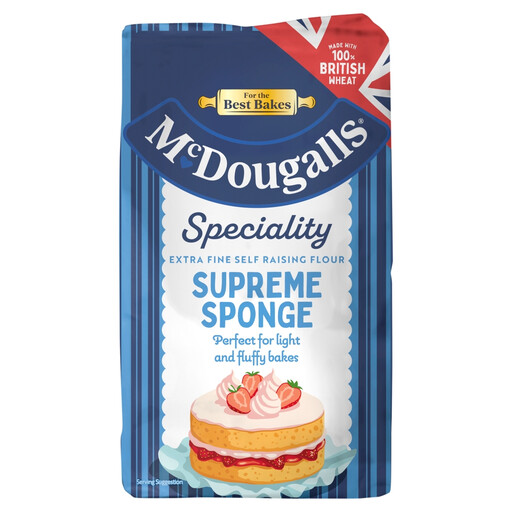 Image unavailable
Consider this 1kg sponge flour if it matches the flour specified for your cake. Check the current pack’s ingredients and allergen information before use.
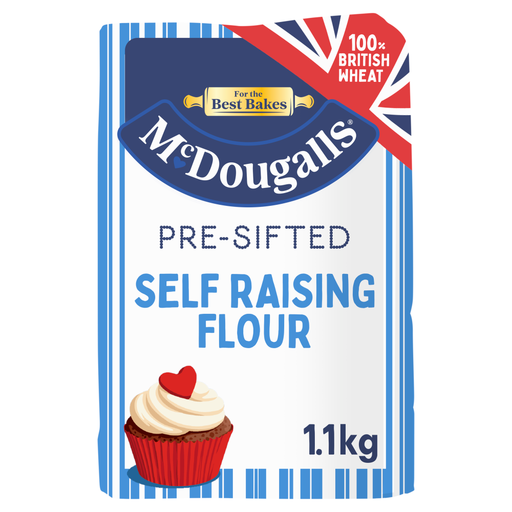 Image unavailable
This 1.1kg self-raising flour is an option when your recipe specifies self-raising flour. It is not a substitute for a different flour type unless the recipe provides an appropriate method; check the current pack for allergen information.
 Image unavailable
Choose this 1.1kg plain flour when your cake recipe calls for plain flour. Follow the recipe’s instructions for any raising agent, and check the current pack if ingredients or allergens affect your choice.
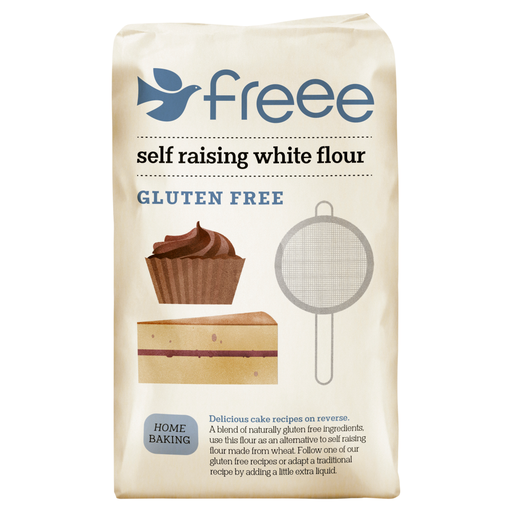 Image unavailable
This 1kg product is labelled as free-from-gluten self-raising white flour. Use it with a compatible recipe, and check the current pack and handling information against any specific allergy or cross-contamination requirements.
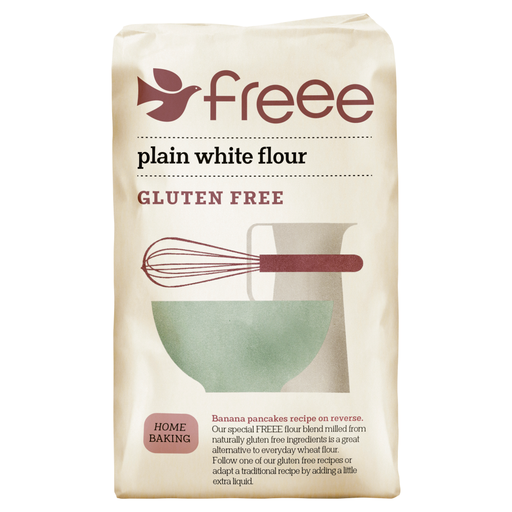 Image unavailable
This 1kg product is labelled as free-from-gluten plain white flour. Follow a compatible recipe’s raising instructions, and check the current pack and handling information for your specific dietary requirements.
Not in a conventional cake recipe. Barilla describes its dried spaghetti as shaped semolina-and-water pasta for boiling, whereas Good Food’s cake guidance and chocolate-cake recipe specify flour. If you want to make an unusual pasta-based dish, follow a recipe that expressly uses pasta.
Buy the type named in your recipe. Good Food explains that self-raising flour has a raising agent added; if you use plain flour in its place, follow an appropriate recipe-specific raising method.
Use it for a pasta dish and follow its pack instructions. Barilla’s reviewed spaghetti instructions call for cooking the pasta in boiling water, then draining it.
Read the current pack’s ingredients and allergen information for the exact product, then use a recipe suited to your requirements. The Food Standards Agency’s food-allergen labelling guidance covers England, Northern Ireland and Wales, with a separate publication for Scotland; it does not mean every flour or pasta variant has the same ingredients.