
24/7 Customer Support

Free returns

Same-day & Next-day Delivery

Quality Guaranteed

Unlock Your Welcome Offers: FREE Delivery | Up to 80% OFF | Free 30-day JoyPlus trial
Download the APP
Cake mixes can make home baking more manageable when time, equipment or confidence is limited. However, the colourful box does not always tell you what matters most. UK shoppers can end up buying a mix that needs more ingredients than expected, makes fewer portions than assumed or is unsuitable for someone with an allergy.
This guide explains how to compare cake mixes UK shoppers can buy for everyday treats, celebrations, family baking and convenient desserts.
Most boxed cake mix products are not complete recipes. You may still need eggs, oil, water or milk. For example, some mixes require three medium eggs and vegetable oil, while others only need milk or water. Check the preparation instructions before buying, especially if you need a quick bake without an additional supermarket trip.
A 425g cake mix may make two small sponge layers, cupcakes or one larger cake, depending on the recipe. A cake mix multipack can offer more convenience for regular baking, but it also requires suitable dry storage and may be unnecessary for occasional bakers. Compare the number of cakes or portions, not just the packet weight.
A product described as a gluten-free cake mix may still carry a “may contain” statement for egg, milk or soya. Conversely, standard mixes commonly contain wheat, milk or egg ingredients. Always read the current packaging, including the allergen section, before serving anyone with an allergy or diagnosed intolerance.
Look for clearly listed ingredients and allergens in bold, as required for packaged food labelling in the UK. Common ingredients in a chocolate cake mix include wheat flour, cocoa powder, sugar and raising agents. A vanilla cake mix may contain wheat and may state that it could contain milk, eggs or soya.
For children’s baking, remember that dry flour and uncooked batter should not be eaten. Follow the pack instructions and bake the mixture thoroughly.
A straightforward mix should state exactly what needs to be added. Examples include:
Check the required tin size, oven temperature and baking time. UK recipes may provide settings for a fan oven, conventional oven and Gas Mark, which helps avoid misreading the instructions.
Choose the format that matches the occasion. A lemon cake mix suits lighter teatime bakes, while a red velvet cake mix may be more appropriate for a decorated celebration cake. A ginger cake mix can be used for cakes, slices, muffins or cupcakes. Brownie mix is generally suited to traybakes and sharing portions.
Dry mixes should usually be stored unopened in a cool, dry place. After opening, reseal the packet if the instructions allow, and store baked goods in an airtight container as directed.
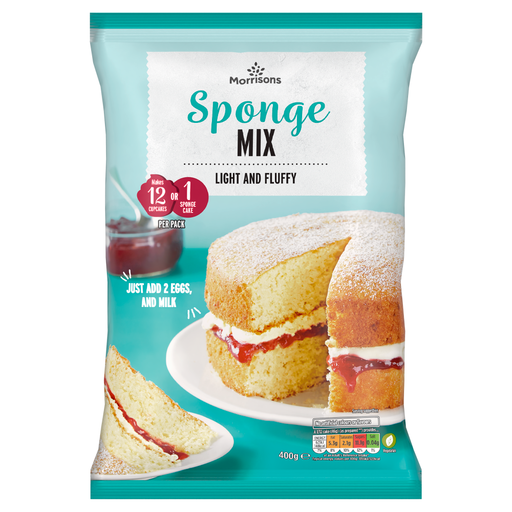
Why This Fits Their Persona: A practical starting point for beginner bakers who want a plain sponge for teatime, birthdays or cupcakes without weighing several dry ingredients.
The product information states that eggs and milk are added, making the preparation requirements clear before purchase.
A 400g mix designed for sponge cakes and cupcakes; the listed ingredients contain wheat and milk.
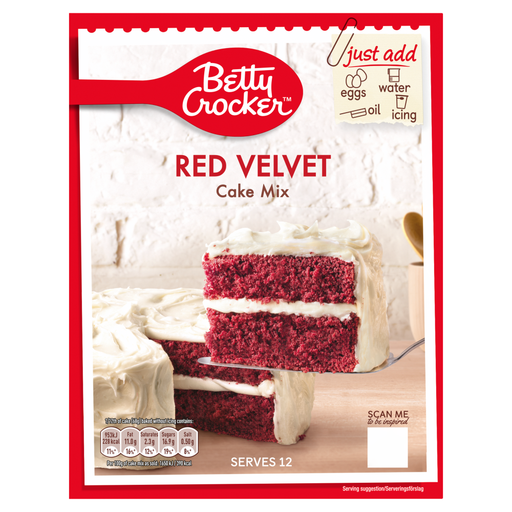
Why This Fits Their Persona: Suits shoppers planning a decorated birthday or dinner-party cake and looking for a distinctive colour and cocoa-flavoured sponge.
The ingredient list identifies wheat and the added colours, while the product description specifies the need for eggs, water and vegetable oil.
A 425g red velvet format with cocoa powder and colouring; suitable for celebration-style presentation.
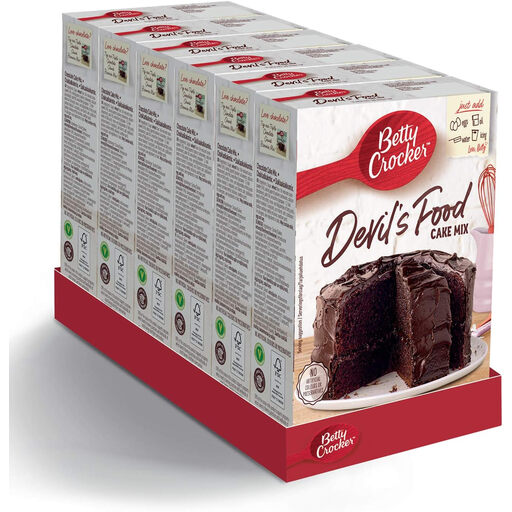
Why This Fits Their Persona: A six-pack format is suited to families, community events or frequent bakers who make chocolate cakes and cupcakes regularly.
The listing gives the total quantity as 2.55kg and specifies the ingredients needed per cake, helping frequent users plan their pantry.
Six 425g chocolate cake mixes; each cake uses eggs, water and vegetable oil and can be baked in two 20cm tins.

Why This Fits Their Persona: A chocolate option for households seeking a gluten-free cake mix format while still wanting to prepare a familiar dessert together.
The listing uses rice flour and starches rather than wheat flour, but still advises that the product may contain egg, milk and soya.
A 425g gluten-free chocolate mix; store it in a cool, dry place and check the pack for current allergen information.
We have compiled a complete, real-time list of products that fully satisfy these strict selection criteria and UK safety regulations.
A chocolate cake mix is useful for decorated cakes and cupcakes, while brownie mix is often quicker for traybakes. The Cadbury Brownie Mix 350g requires eggs, oil and water, and the listing states that it makes 16 brownies with a soft centre and crisp top.
For savoury meals rather than desserts, Korean pancake mix is a separate category. Otoki Korean Pancake Mix Powder 1kg and BEKSUL Korean Pancake Mix Powder 500g can be combined with ingredients such as spring onions, vegetables or kimchi. Both contain wheat, so they are not suitable for gluten-free requirements.
An American pancake mix is usually designed for thicker pancakes or waffles. Dr. Oetker American Pancake Mix 170g requires 230ml of semi-skimmed milk and is listed as making portions for six people.
They can reduce the number of separate ingredients needed, but value depends on portion size, added eggs or oil and whether icing is included. Compare the total cost of the finished bake rather than the packet price alone.
Follow the packet instructions. In general, keep unused dry mix sealed in a cool, dry place and use it before the stated date. Once baked, store the cake or brownies in an airtight container if the product guidance recommends it.
Yes, with adult supervision. Children can help measure added ingredients, stir batter and decorate cooled cakes, but raw flour and batter should not be eaten. Adults should handle hot ovens, tins and frying pans.