
24/7 全天候客户支持

免费退货

当日/次日达

品质保障

开启新人专享福利: 全场免邮 | 低至 2 折 | 免费试用 30 天 JoyPlus 会员
下载 Joybuy
A reliable camping cool box is the unsung hero of any successful British outdoor adventure. Whether you're heading to a festival, a family campsite or a quiet fishing spot, it’s the key to fresh food and cold drinks. However, the market is flooded with options, and it's easy to be swayed by marketing claims that don't hold up in the real world. Many buyers end up with a box that fails to keep things cool or simply falls apart after one season.
As the Joybuy Product Recommendation Officer, my role is to help you see past the hype. Before you spend your money, let's look at the three most common pitfalls that catch UK buyers out and how you can avoid them.
Many brands advertise impressive cooling durations, but these figures are often achieved in controlled lab conditions: pre-chilled, packed to the brim with ice and left unopened in a cool room. The reality of a UK campsite—with repeated opening, ambient temperatures and less-than-perfect packing—is very different. A poorly insulated box will lose its chill in a matter of hours, not days.
A common point of failure is the construction. We’ve all seen them: cool boxes with brittle plastic hinges that snap, handles that creak under a full load and thin shells that crack at the first sign of being used as an impromptu seat. A cheap hard shell cooler is no bargain if its essential components don't survive the journey from the car to the tent.
It’s easy to think bigger is better, but a massive cool box can be a logistical nightmare. If it’s too heavy to carry any distance or won’t fit in your car boot alongside your other gear, it becomes a burden. Conversely, a portable cool box that’s too small and can't hold enough provisions for your trip is equally impractical.
To make a smart purchase, focus on the core features that determine performance and longevity. Ignore the flashy marketing and check these three non-negotiable parameters.
The heart of any insulated ice box is its insulation. The most effective material commonly used is polyurethane (PU) foam. Look for models that specify high-density PU foam, as this provides a much better thermal barrier than basic expanded polystyrene. Just as important is the lid seal. A flimsy plastic-on-plastic closure will leak cold air. A quality cool box will feature a thick silicone gasket that creates an airtight seal, trapping the cold inside for significantly longer.
Capacity is measured in litres, but this number can be abstract. Think in practical terms:
picnic cooler that's easy to carry.cool box for fishing. It strikes a good balance between storage space and portability.Before buying, always measure your car boot and consider how far you'll typically need to carry it.
A durable cool box should be an investment. Check for a shell made from food-grade polypropylene (PP), which is robust and safe for direct contact with food. Examine the handle design; a one-piece moulded or rotating handle integrated into the body is far more durable than a thin, clip-on one. Finally, look for reinforced corners and sturdy latches that can withstand the rigours of outdoor use.
Instead of a generic list, we've matched specific models to the people who will get the most out of them. Here are our recommendations based on different UK outdoor lifestyles.
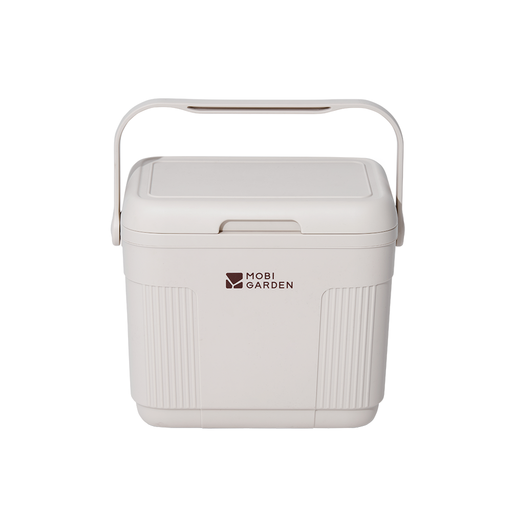
Why This Fits Their Persona: This compact 10L cool box is perfectly proportioned for a day at the coast, a solo fishing trip or a picnic in the park. It’s lightweight and the one-piece handle makes it effortless to carry from the car.
It features a thickened PU polyurethane foam layer and a widened silicone gasket, directly countering the poor insulation pitfall. The robust, one-piece moulded handle avoids the flimsy construction trap.
The food-grade PP body allows direct storage of fresh food, and the lid has a dedicated slot for an ice box to maximise cooling efficiency in a small footprint.
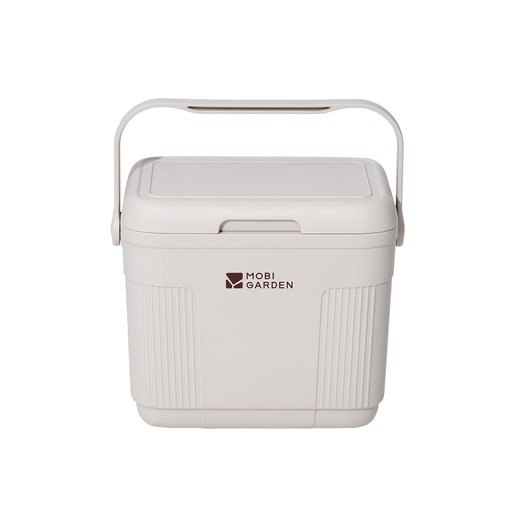
Why This Fits Their Persona: With a 22L cool box capacity, this model is ideal for a family of 4-6 on a weekend trip. It's large enough for several meals and drinks, yet remains manageable thanks to a clever rotating handle for easier carrying.
It solves the capacity vs. portability problem by offering a great middle-ground. Its high-density PU foam, tight silicone seal and reinforced corners provide the durability and performance that cheap alternatives lack.
It comes with two dedicated ice boxes that fit into internal slots, extending cooling time. The robust build quality ensures it can handle the demands of family camping.
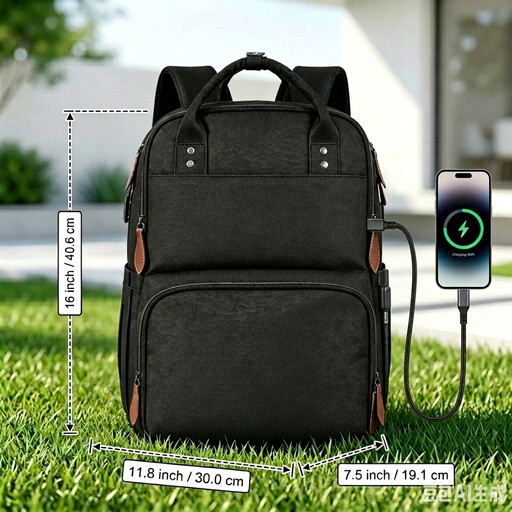
Why This Fits Their Persona: This is for the person who needs a versatile solution. It’s a daily backpack for work or university with a laptop sleeve and USB port, but also features a dedicated insulated compartment for lunch or picnic supplies.
It sidesteps the portability pitfall by integrating the cooler into an everyday item you'd carry anyway. It’s not a bulky, single-purpose box, making it far more practical for city life and casual outings.
Its multi-functional design is the main benefit. The insulated section holds up to 10 cans and keeps items cool for 2-4 hours, perfect for a lunch or a short trip, without sacrificing space for a laptop and other essentials.
We have compiled a complete, real-time list of products that fully satisfy these strict selection criteria and UK safety regulations.
To maximise performance, always pre-chill the cool box itself with ice or ice packs for a few hours before you load it. Ensure all food and drinks are refrigerated or frozen beforehand. Use a combination of block ice (which melts slowly) and cubed ice (which cools items quickly). Finally, fill any empty air space with towels or extra ice packs, keep the box in the shade and limit how often you open the lid.
This depends entirely on your usage. For multi-day camping trips, especially in warmer weather, a premium model with high-density PU foam and a superior lid seal will provide significantly better ice retention and durability. This can be the difference between having fresh food on day three or not. For short day trips or picnics, a more basic, well-constructed model may be perfectly adequate.
A camping cool box, which is usually a hard shell cooler, offers the best insulation and is far more durable, making it the preferred choice for car camping, fishing and longer trips. A cool bag is typically made of fabric, making it lighter, more portable and often foldable. While its insulation is less effective than a hard box, it is an excellent choice for carrying lunch, going on short picnics or when you need a lightweight, space-saving option.