
24/7 Customer Support

Free returns

Same-day & Next-day Delivery

Quality Guaranteed

Unlock Your Welcome Offers: FREE Delivery | Up to 80% OFF | Free 30-day JoyPlus trial
Download the APP
As a Joybuy Product Recommendation Officer, I often see home cooks in the UK drawn to carbon steel cookware for its promise of professional-level searing and long-term durability. It’s the material behind the incredible ‘wok-hey’ flavour in your favourite takeaway and the secret to a perfect crust on a Sunday roast. However, navigating the market can be tricky, and a few common pitfalls can lead to disappointment and wasted money.
Before you invest, be aware of these frequent traps:
flat bottom wok will heat slowly and inefficiently on induction.To make a smart purchase, focus on the fundamental characteristics of the cookware rather than marketing hype. Here are the core parameters to check.
Your first choice is between a traditional uncoated pan and one with a non-stick coating.
The physical construction of the pan is paramount for performance and longevity.
While famous for woks, carbon steel is also an exceptional material for baking. A high-quality non-stick baking tray or roasting tin made from heavy-gauge carbon steel will heat evenly, producing consistent browning on everything from roast potatoes to delicate cakes. Its durability means it won't buckle or twist in a hot oven.
Based on these practical criteria, we've matched some standout products to the home cooks they would suit most.
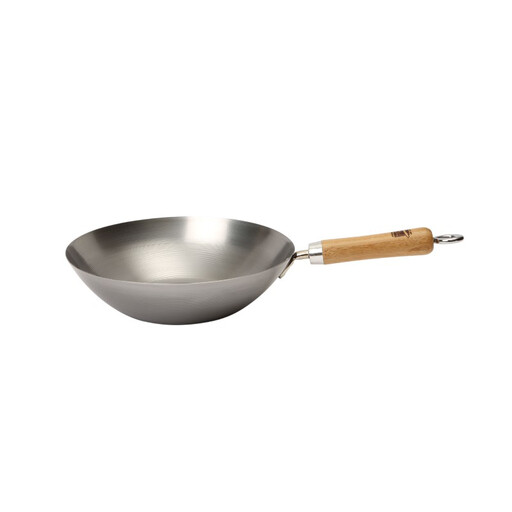
Why This Fits Their Persona: This user wants to replicate authentic Asian cooking at home. This uncoated wok is designed for high-heat cooking and developing a natural patina (seasoning), which is essential for achieving the coveted 'wok-hey' smoky aroma. Its compact size is ideal for individuals or couples.
It sidesteps the "non-stick illusion" by being an honest, uncoated pan that empowers the user to build a true, long-lasting seasoned surface that only improves with use.
Superior heat responsiveness for authentic stir-frying. Compatible with all hob types, including induction, thanks to its flat base.
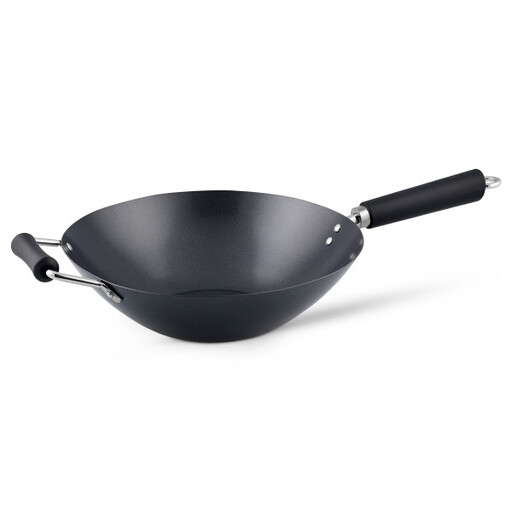
Why This Fits Their Persona: This user values convenience and easy clean-up for everyday meals. This wok combines the excellent heat conduction of carbon steel with a robust, three-layer non-stick coating, making it perfect for quick stir-fries and reducing the need for oil.
It avoids the maintenance demands of seasoning while its 1.5mm gauge construction helps resist the warping common in cheaper, thinner non-stick pans.
Ready to use straight out of the box with no seasoning required. The flat base ensures stability and compatibility with all hob types, including induction.
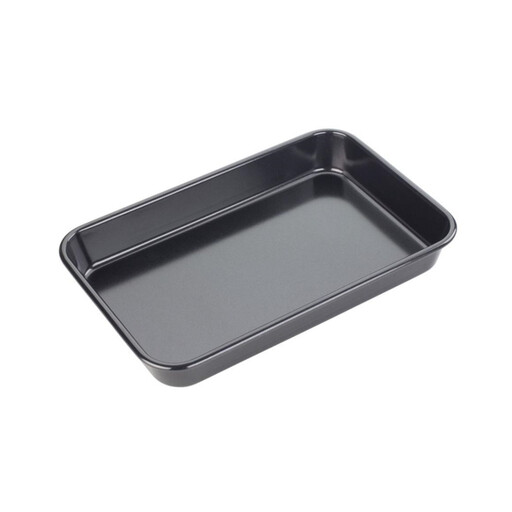
Why This Fits Their Persona: This home cook needs a reliable, multi-purpose workhorse for Sunday roasts, traybakes and batch cooking. This roaster's heavy-gauge carbon steel build ensures even browning and durability for frequent oven use.
Its robust, 1mm+ heavy-weight carbon steel construction directly counters the warping problem, ensuring it remains flat and functional even after years of high-temperature oven use.
Features a premium double-layer non-stick coating for effortless food release and is dishwasher safe. The clever pouring lip simplifies making gravy or draining fat.
Once you've invested in quality cookware, proper storage is key to protecting it and keeping your kitchen organised. Stacking pans can scratch surfaces, especially non-stick coatings. A dedicated kitchen pot organiser, like the Maxcook 3-Tier Adjustable Pot Rack, can be a game-changer. These racks use vertical space in your cabinets to store pans, woks and lids separately, preventing damage and making them easy to access.
We have compiled a complete, real-time list of products that fully satisfy these strict selection criteria and UK safety regulations.
Seasoning creates a natural non-stick surface. First, wash the new wok with hot, soapy water to remove the factory coating and dry it completely. Place it on the hob over high heat until it turns a blueish-grey colour. Turn the heat down, add a tablespoon of a high-smoke-point oil (like sunflower or rapeseed oil) and swirl to coat the entire interior. Carefully wipe out the excess oil with a paper towel held by tongs. Continue heating for a few minutes until it stops smoking. Let it cool and it's ready.
Yes, but with conditions. You must use a pan with a thick, perfectly flat base. Carbon steel is a ferrous metal, so it's compatible with induction technology. However, a thin or warped pan will have poor contact with the hob's surface, leading to inefficient heating and potential damage to both the pan and the hob. Always check that the product is explicitly stated as suitable for induction.
Rust is the main adversary of uncoated carbon steel, and it's caused by moisture. To prevent it, always dry your pan thoroughly immediately after washing—placing it on a low heat hob for a minute is a great way to ensure all moisture has evaporated. If rust spots appear, scrub them off with a scouring pad and a little water. Once removed, you will need to re-season the affected area by applying a thin layer of oil and heating it gently.