
24/7 Customer Support

Free returns

Same-day & Next-day Delivery

Quality Guaranteed

Unlock Your Welcome Offers: FREE Delivery | Up to 80% OFF | Free 30-day JoyPlus trial
Download the APP
As a Joybuy Product Recommendation Officer, I often see shoppers trying to navigate the world of Chinese sausage. Whether you're aiming to perfect your fried rice, create a comforting clay pot dish or simply find a flavourful new ingredient, the choices can be overwhelming. It's easy to end up with a product that doesn't match the taste or texture you were expecting.
Many find themselves disappointed by sausages that are overly greasy, lack authentic flavour or simply aren't the right type for their recipe. Let's cut through the clutter and look at the common pitfalls to avoid when you buy Chinese sausage online.
To make sure you get exactly what you need for your kitchen, focus on these two key factors.
The origin of the style dictates the flavour, texture and ideal use.
Cantonese Sausage (Lap Cheong): This is the classic, air-dried sausage many people picture. It is typically dark red, thin and wrinkled. The defining characteristic is its sweet and savoury flavour profile, often enriched with soy sauce and rose wine. It has a firm, dense and slightly chewy texture due to the curing process. This makes it the perfect Chinese sausage for fried rice, steamed dishes and clay pot rice, as it holds its shape and infuses the dish with its rich flavour.
Taiwanese Sausage: This variety is usually sold fresh or frozen. It is plumper, juicier and generally less sweet than its Cantonese counterpart. The flavour is often more savoury and aromatic, with popular variations including five spice sausage, bold black pepper sausage or even modern twists like a cheese filled sausage. It has a softer, bouncier texture, similar to a high-quality European sausage. It's ideal for grilling, pan-frying or adding to bento boxes.
Always check the ingredients list for the meat percentage. A higher number (typically over 70%) indicates a meatier, more substantial sausage. Also, pay attention to the recommended preparation.
Based on these criteria, here are a few options tailored to different culinary needs and preferences.
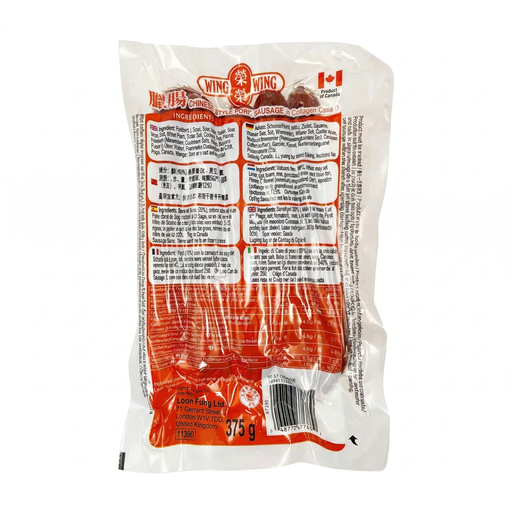
Why This Fits Their Persona: This is for the cook seeking the authentic Cantonese sausage (Lap Cheong) flavour for classic dishes. It's ideal for recreating the taste of home in clay pot rice, stir-fries or simply steamed and served with rice.
It avoids the "style trap" by being an explicit Cantonese-style cured sausage. The brand's focus on a traditional recipe suggests a quality product without excessive fillers.
Delivers an authentic savoury-sweet Chinese sausage flavour. Its firm, air-dried texture holds up perfectly when cooked in rice or stir-fried.
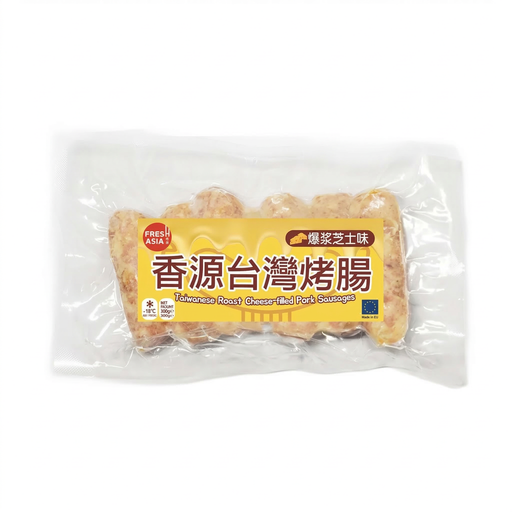
Why This Fits Their Persona: This is for someone looking for a fun, modern and convenient food experience. The combination of juicy Taiwanese sausage and molten mozzarella is a crowd-pleaser, perfect for snacks, parties or adding a twist to a bento box.
The product name is very specific, avoiding the "style trap" by clearly identifying it as a cheese filled sausage. The 73% pork content is clearly stated, avoiding the "filler pitfall".
Offers a unique flavour and texture combination. It is quick and easy to prepare by pan-frying or air-frying, making it a convenient and exciting option.
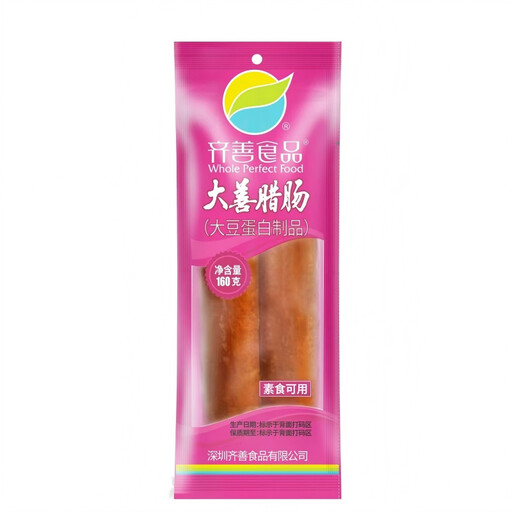
Why This Fits Their Persona: This is the go-to for anyone on a plant-based diet who doesn't want to miss out on the flavour. This vegetarian Chinese sausage allows for the creation of vegan versions of classic dishes like clay pot rice or noodle stir-fries.
This product directly solves the problem of finding a meat-free alternative. The label is unambiguous about its vegan credentials and soy-based ingredients.
It's ready-to-eat and shelf-stable, offering maximum convenience. The soy protein and konjac base provides a satisfying texture that mimics traditional sausage.
We have compiled a complete, real-time list of products that fully satisfy these strict selection criteria and UK safety regulations.
The main differences are in flavour, texture and preparation. Cantonese sausage, or Lap Cheong, is air-dried, firm and has a distinct sweet-savoury taste. It's best steamed or boiled before being added to dishes. Taiwanese sausage is typically fresh or frozen, plumper, juicier and more savoury, often seasoned with garlic or five-spice. It is usually pan-fried or grilled.
Generally, no. Even though Cantonese sausage is cured, it is not considered a ready-to-eat product like salami. It should be cooked (usually steamed or boiled) to soften it and ensure it is safe to eat. Frozen varieties like Taiwanese sausage are raw and must be cooked thoroughly until the internal temperature is safe for consumption. The only exceptions are some vegetarian or pre-cooked products that are explicitly labelled "ready to eat".
Frozen Taiwanese-style sausages are very easy to cook. You can thaw them first or cook them directly from frozen, though cooking from frozen will take a few minutes longer.