
24/7 Customer Support

Free returns

Same-day & Next-day Delivery

Quality Guaranteed

Unlock Your Welcome Offers: FREE Delivery | Up to 80% OFF | Free 30-day JoyPlus trial
Download the APP
Choosing chocolate gifts and snacks online can look straightforward until you compare pack sizes, formats, ingredients and storage requirements. A product that appears good value may contain fewer portions than expected, while an attractive gift box may include allergens that make it unsuitable for the recipient.
This guide explains the practical details worth checking before buying milk chocolate bars, chocolate truffles, chocolate biscuits or sharing chocolates for everyday treats, celebrations and gifting.
A large-looking box or pouch does not always mean better value. Check the net weight, number of pieces and whether the product is individually wrapped. A 200g box of truffles may provide around 16 pieces, while a 180g bar can be broken into portions for sharing or baking.
Multipacks can be useful for lunchboxes and cupboards, but compare the total weight rather than judging by the number of wrappers alone. For example, Blue Riband contains six individually wrapped 18g bars, while KitKat 2 Finger Milk is supplied as eight 20.7g bars.
Words such as “premium”, “luxurious” or “decadent” describe positioning rather than a measurable standard. For a more objective comparison, check the cocoa solids percentage, ingredient order and filling content.
A Belgian chocolate product may offer a particular style of chocolate-making, but the taste still depends on the recipe. Hazelnut chocolate, caramel chocolate and praline products can also contain substantial quantities of sugar, vegetable fats or fillings, so read the full ingredients list before buying.
Chocolate confectionery frequently contains or may contain milk, soya, wheat, barley, peanuts and tree nuts. This is particularly important when choosing chocolate gift boxes for several people.
Storage can also affect the experience. Most bars and boxes should be kept in a cool, dry place away from heat, sunlight and strong odours. Trü Frü chocolate-covered blueberries are different: they must remain frozen and should be allowed to stand for 15 minutes before serving. Always follow the packaging instructions.
Match the format to how the chocolate will be used:
Ingredients are listed by weight, so the first few entries tell you more than front-of-pack language. Look for:
For shoppers looking for Fairtrade chocolate or sustainable sourcing information, check whether the packaging identifies a relevant certification or programme. Tony’s Chocolonely states that 77% of the sugar, cocoa butter and cocoa mass in its plain milk bar are traded in compliance with Fairtrade Standards. Product packaging remains the final reference if details change.
Chocolate is a sweet treat, so nutrition information is most useful for comparing serving sizes. Cadbury Dairy Milk provides approximately 134 kcal per 25g serving, while a KitKat 2 Finger bar provides 104 kcal per 20.7g bar according to the supplied product information.
These figures do not make one product suitable for every diet, but they help shoppers understand how a single portion compares with the whole pack. Check sugars, saturates and portion weight rather than assuming that a smaller-looking bar has fewer calories.
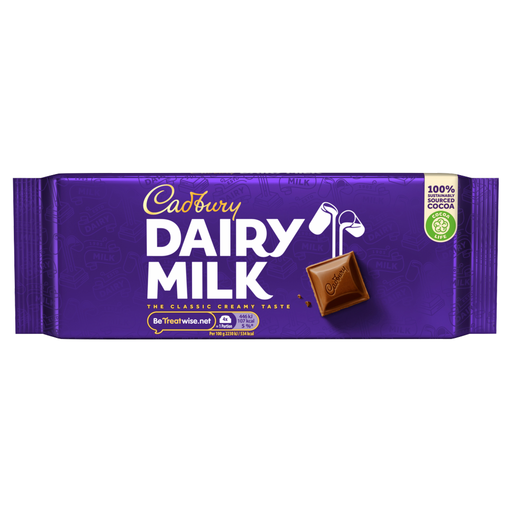
Why This Fits Their Persona: A familiar single bar for personal snacking, sharing at home or adding to baking recipes.
The clearly stated 180g weight makes it easier to compare with other milk chocolate bars without relying on packaging size.
180g format; suitable for vegetarians; contains milk and may contain tree nuts and wheat.
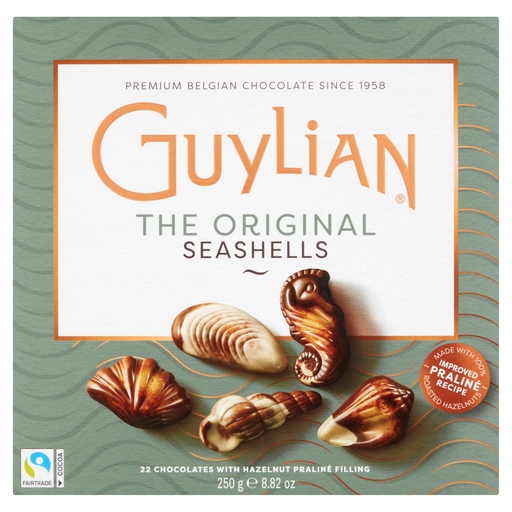
Why This Fits Their Persona: A 250g presentation of Belgian chocolate seashells for hosts, thank-you gifts and special occasions.
The listing specifies hazelnut praline, Belgian production and cocoa percentages, giving more useful detail than decorative gift language alone.
250g box; made in Belgium; contains hazelnuts and milk; may contain other tree nuts and wheat.
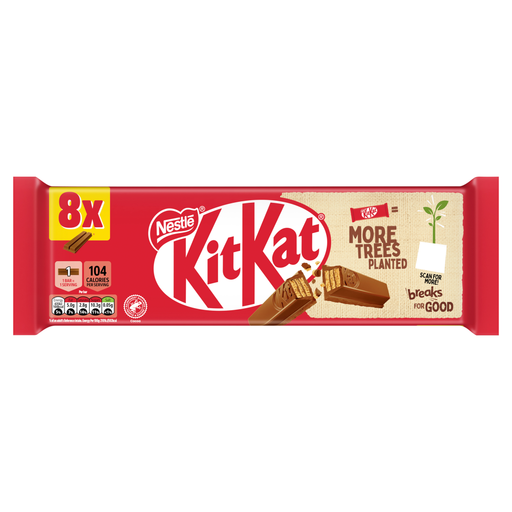
Why This Fits Their Persona: Individually wrapped chocolate biscuits suit work drawers, lunchboxes, travel and regular household stocking.
The eight-bar count and 20.7g individual weight make portion planning more transparent than a loose sharing pouch.
Eight individually sized bars; wafer and milk chocolate format; contains milk and wheat.

Why This Fits Their Persona: A flavour-led bar for shoppers who want milk chocolate with caramel pieces, sea salt and stated Fairtrade information.
The listing identifies 10% caramel pieces, 0.5% sea salt and the stated Fairtrade proportion, helping shoppers assess the flavour profile.
180g bar; 32% minimum cocoa solids; contains milk and soya; may contain gluten cereals, eggs, nuts and peanuts.
We have compiled a complete, real-time list of products that fully satisfy these strict selection criteria and UK safety regulations.
Choose a box or pouch with a clearly stated net weight and piece count. Ferrero Rocher T24 300g contains 24 pieces, while Maltesers Chocolate Box Gift 310g provides bite-sized sharing chocolates. Check allergens before serving to a group.
Keep standard chocolate bars, truffles and biscuits in a cool, dry place away from sunlight, heat and strong odours. Avoid storing them in a damp cupboard. Frozen products, including chocolate-covered blueberries, must remain frozen and should not be refrozen after thawing.
They can be practical when you need individually wrapped portions, but compare price per 100g, total weight and the number of servings. A multipack is useful for lunchboxes and regular snacking, whereas a larger bar or chocolate gift box may suit sharing or entertaining more closely.