
24/7 Customer Support

Free returns

Same-day & Next-day Delivery

Quality Guaranteed

Unlock Your Welcome Offers: FREE Delivery | Up to 80% OFF | Free 30-day JoyPlus trial
Download the APP
Choosing chocolate gifts can seem straightforward until you compare cocoa percentages, box sizes, allergens and presentation. A product that looks generous online may contain individually wrapped pieces in a smaller-than-expected box, while an attractive assortment may not suit someone who prefers dark chocolate or has a nut allergy.
This guide highlights the main buying pitfalls and explains how to choose assorted chocolate gifts, chocolate gift boxes and sharing chocolate with greater confidence.
Large outer packaging does not always mean more chocolate. Check the net weight, such as 100g, 180g, 200g or 300g, rather than judging by the box dimensions alone. A 24-piece box may offer convenient portions for guests, while a 100g chocolate bar may be more suitable for one recipient or a smaller gesture.
For birthdays, family gatherings and seasonal occasions, individually wrapped pieces can also make sharing easier and help protect the remaining chocolate after opening.
Assorted chocolate gifts commonly combine milk chocolate, praline, wafer, caramel, almond, hazelnut or coconut ingredients. Even when a particular flavour seems suitable, the product may contain or carry traces of milk, soya, wheat, peanuts or tree nuts.
Always check the current packaging before serving. This is especially important when buying chocolate gifts for offices, parties or households where you do not know everyone’s dietary requirements.
Premium chocolate is not automatically a better match for every recipient. A high-cocoa dark chocolate can taste notably less sweet and more intense than milk chocolate. Likewise, chocolate truffles may be appreciated by someone who enjoys soft centres, but less suitable for a recipient who prefers a crisp wafer or a simple bar.
Match the flavour profile and format to the person, rather than relying on presentation or marketing language.
Start with the intended use:
A chocolate selection box with mixed formats gives guests choice, but a single-flavour box can be more economical when you already know the recipient’s preference.
Cocoa percentage is a useful comparison point, but it does not describe the entire flavour. Milk chocolate generally contains milk ingredients and tends to have a sweeter, creamier profile. Dark chocolate contains a higher proportion of cocoa solids and may taste more bitter or intense.
For example, a 90% cocoa bar is aimed at people who specifically enjoy strong cocoa notes. An 85% dark chocolate bar may offer a slightly softer introduction to high-cocoa chocolate. Belgian chocolate and premium chocolate labels can indicate style or origin, but the ingredient list and cocoa percentage remain more useful for direct comparison.
Check the ingredients list, allergen statement, cocoa solids percentage and storage instructions. Some products should be kept in a cool, dry place away from direct sunlight and strong odours. Refrigeration can affect texture and may cause condensation when the chocolate returns to room temperature.
For Fairtrade chocolate, look for the relevant certification or wording on the product packaging. Claims may vary by product, so confirm the current label rather than assuming every item from a brand has the same sourcing status.
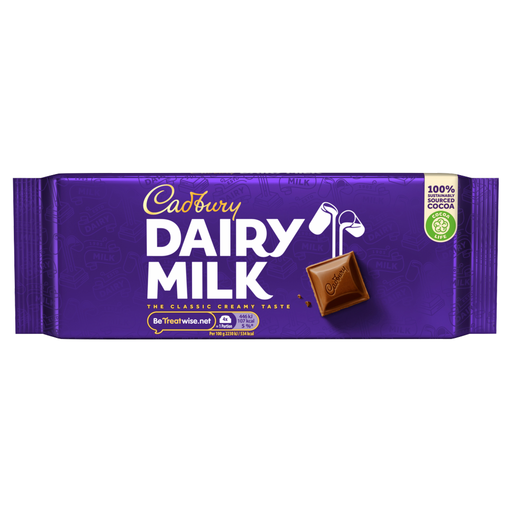
Why This Fits Their Persona: A familiar milk chocolate bar with a 180g format suits everyday gifting, family sharing or keeping in the cupboard for several occasions.
The clearly stated 180g net quantity makes it easier to compare value than relying on the appearance of the wrapper.
Milk chocolate style; suitable for sharing, gifting or baking. Contains milk and may contain tree nuts and wheat.
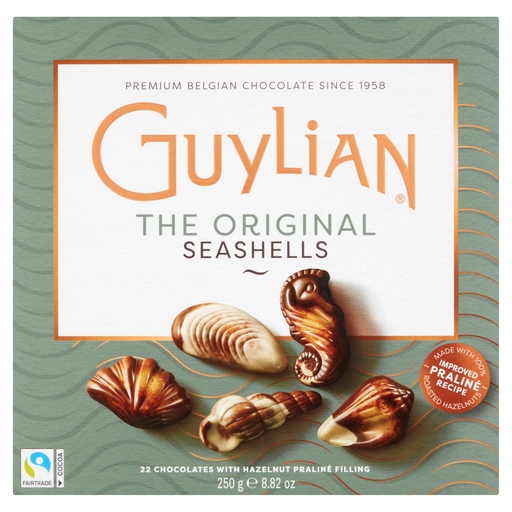
Why This Fits Their Persona: The 250g box combines marbled chocolate shells with hazelnut praline and offers a presentation-led option for hosts and formal gifting.
Its stated cocoa and milk solids information gives more context than the “Belgian chocolate” description alone.
Made in Belgium; contains hazelnuts and milk; the product information states that it is free from soya.

Why This Fits Their Persona: A 24-piece, 300g format is designed for serving at gatherings, placing on a dessert table or dividing between guests.
The piece count and net weight are specified, reducing uncertainty when planning portions for visitors.
Individually formed hazelnut chocolates with wafer, milk chocolate and chopped hazelnut layers. Contains wheat, milk, soya and hazelnuts.

Why This Fits Their Persona: The 90% cocoa specification is clear and suits shoppers who actively seek an intense dark chocolate profile rather than a sweet milk chocolate gift.
The cocoa percentage is prominent, helping buyers avoid choosing a dark bar whose flavour is milder than expected.
100g bar with cocoa mass, cocoa butter and low-fat cocoa powder. May contain milk, hazelnuts, almonds, other nuts and soya.
We have compiled a complete, real-time list of products that fully satisfy these strict selection criteria and UK safety regulations.
Look for a larger net weight, multiple pieces or individually wrapped portions. Boxes such as 230g–300g are practical for family gatherings, while bars can be broken into squares. Check the allergen statement before serving to a mixed group.
The best-before date is printed on the packaging and varies by product. Store chocolate in a cool, dry place away from heat, moisture, sunlight and strong-smelling foods. Once opened, reseal the packaging where possible to help retain flavour and texture.
Not necessarily. Dark chocolate with a high cocoa percentage can have a more intense, less sweet taste. If you are unsure of the recipient’s preference, assorted chocolate gifts containing milk, dark and filled varieties offer more choice. For a clearly defined flavour preference, a bar such as 90% cocoa dark chocolate may be more appropriate.