
24/7 Customer Support

Free returns

Same-day & Next-day Delivery

Quality Guaranteed

Unlock Your Welcome Offers: FREE Delivery | Up to 80% OFF | Free 30-day JoyPlus trial
Download the APP
Buying chocolate sweets online can appear straightforward, but pack size, allergens, texture and intended use can make a noticeable difference. A small pouch may suit a lunchbox, while a larger box of chocolates may be more appropriate for guests or gifting.
This guide from the Joybuy Product Recommendation Officer focuses on practical details rather than packaging language, helping UK shoppers compare chocolate confectionery with greater confidence.
A large box is not automatically the most economical option. Chocolate is commonly sold in different formats, including sharing bags, multipack chocolate bars, individually wrapped pieces and gift boxes. Compare the net weight, number of portions and price per 100g where available.
A 310g box may be suitable for a gathering, but a 90g or 100g bag could be more sensible for occasional snacking, reducing the chance of an opened product being left in a warm cupboard.
Chocolate sweets can contain or mention common allergens such as milk, soya, peanuts, tree nuts, wheat, barley and eggs. Filled chocolates and praline chocolates may include nuts even when the flavour is not obvious from the front of the pack.
Always check the current product packaging before eating, particularly if buying for children, guests or someone with an allergy. Online descriptions can change, and the label supplied with the product is the relevant source of information.
Terms such as “smooth”, “crunchy” or “filled” describe very different eating experiences. Honeycomb chocolate generally offers a light, crisp centre; chocolate truffles tend to have a soft filling; caramel and biscuit pieces create a chewier, more layered texture.
Think about the occasion first. A fragile filled sweet may be less convenient for a packed lunch, while individually wrapped chocolate bars are easier to distribute at work, parties or family events.
Match the format to how the sweets will be used:
Check whether the packaging is resealable or whether individual pieces are wrapped. This affects freshness and how easily the product can be stored after opening.
Milk chocolate is generally creamy and sweet, while dark chocolate often brings deeper cocoa notes. White chocolate uses cocoa butter rather than cocoa mass and has a milder, milkier profile. Filled products may also contain coconut, caramel, malt, wafer, biscuit or nut ingredients.
For example, honeycomb chocolate can contain barley and wheat, while peanut butter chocolates require particularly careful allergen checking. Do not assume that a familiar brand or classic recipe is suitable for every diet.
Most chocolate sweets should be kept in a cool, dry place away from direct sunlight and heat. Avoid storing them in a hot car, near a radiator or in a damp cupboard. Temperature changes can affect the appearance and texture, even when the product remains within its date.
Check the best-before information on arrival, especially when buying boxed chocolates for a future event. For chocolate containing toys, such as selected children’s multipacks, follow the packaging instructions and supervise young children while opening and consuming the product.
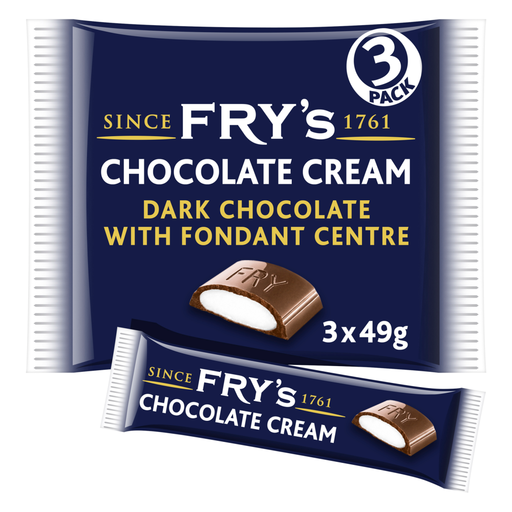
Why This Fits Their Persona: Three individually sized 49g bars make this a practical choice for personal treats, lunch breaks or dividing between household members.
The three-bar format makes the total 147g quantity clear, avoiding confusion between outer-pack size and usable portions.
Three separate bars; smooth chocolate cream filling; suitable for storing and distributing individually.
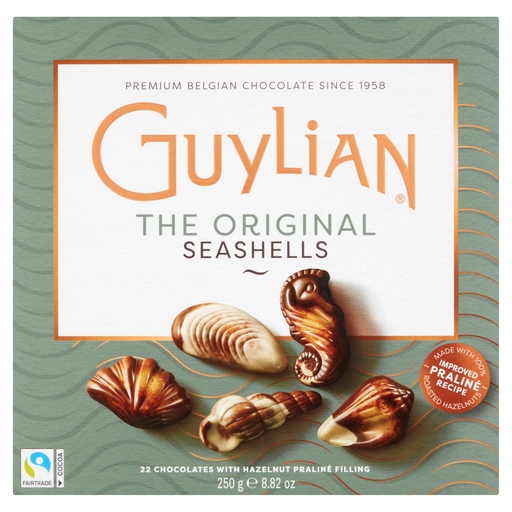
Why This Fits Their Persona: The 250g presentation suits afternoon tea, hosting and gift-giving when a decorative assortment is more appropriate than a casual pouch.
The listed composition identifies 23% hazelnuts and the cocoa specifications, helping shoppers assess flavour and allergen suitability before ordering.
250g boxed format; hazelnut praline centre; made in Belgium; contains milk and hazelnuts.
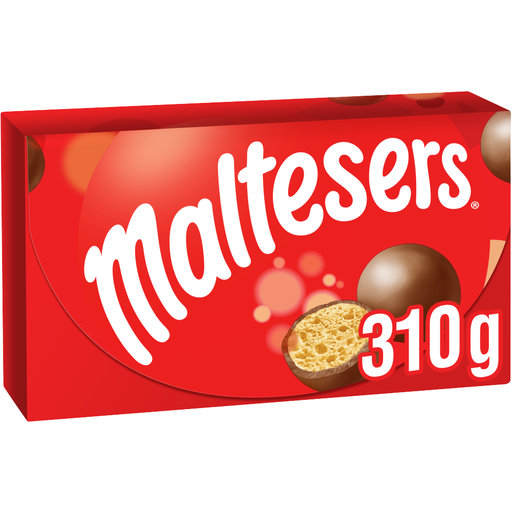
Why This Fits Their Persona: A larger box is suited to office bowls, family film nights, parties and occasions where multiple people will be enjoying chocolate sweets.
The 310g net quantity is stated clearly, making it easier to compare against smaller 93g or 158g sharing formats.
310g quantity; milk chocolate-coated honeycomb spheres; resealable shareable packaging listed in the product information.
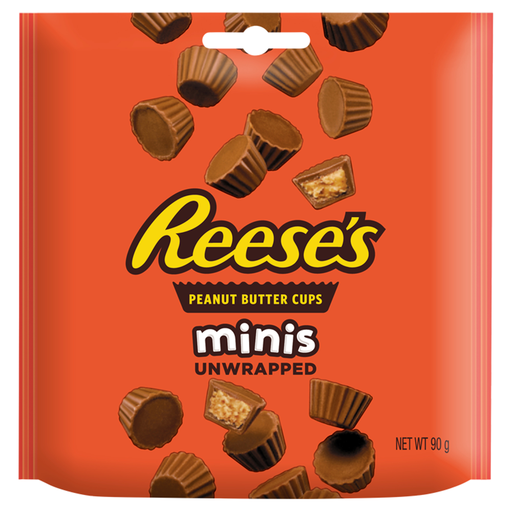
Why This Fits Their Persona: Bite-sized peanut butter chocolates work well for sharing, dessert toppings and snack boxes where smaller pieces are convenient.
The 90g pack and miniature format help set realistic expectations about quantity, while the peanut and milk allergens are stated in the product information.
Bite-sized pieces; milk chocolate shell; creamy peanut butter filling; suitable for baking and dessert toppings.
We have compiled a complete, real-time list of products that fully satisfy these strict selection criteria and UK safety regulations.
Sharing bags and larger boxed chocolates are generally practical for groups. Consider the number of people, whether the pieces are individually wrapped and whether the flavour is widely appealing. Milk chocolate, honeycomb chocolate and assorted chocolate treats can offer familiar choices, while praline or dark chocolate may suit more specific preferences.
Keep them sealed in a cool, dry cupboard away from direct sunlight, radiators and strong odours. Avoid unnecessary temperature changes. If the packet recommends a specific storage temperature, follow that instruction and check the packaging after opening.
Check the presentation, net weight, best-before date and allergen information. For nut-based products such as praline chocolates or hazelnut-filled sweets, confirm the ingredients and “may contain” warnings before giving them to someone else. A clearly presented box is useful for gifting, but the recipient’s dietary requirements should take priority over appearance.