
24/7 Customer Support

Free returns

Same-day & Next-day Delivery

Quality Guaranteed

Unlock Your Welcome Offers: FREE Delivery | Up to 80% OFF | Free 30-day JoyPlus trial
Download the APP
Matcha powder can be used for traditional tea, lattes, smoothies, baking and chilled drinks, but the wide range of tins, sachets and flavoured blends can make choosing difficult. Product descriptions often use terms such as ceremonial grade, premium or Japanese matcha without explaining what they mean in practical terms.
The most suitable option depends on how you plan to use it. A delicate powder for whisking with water is not necessarily the right choice for cakes, while a sweetened matcha latte powder may not suit someone seeking a pure tea flavour.
Unlike protected food terms such as organic certification, ceremonial grade matcha is not a single legally defined UK grading standard. Sellers may use it to describe colour, flavour, harvest selection or intended preparation, but the wording alone does not confirm origin or quality.
Check the full ingredient list, country of origin, net weight and preparation guidance. A product labelled 100% matcha provides a different experience from a sweetened blend containing sugar, coconut milk or flavourings.
Some matcha is intended for direct whisking, while culinary matcha is made to blend into desserts, sauces and smoothies. A powder with a pronounced bitterness may work well in chocolate brownies but be less suited to drinking with water.
Flavoured matcha powder can be convenient for beginners, but check the sugar content. For example, a blueberry or strawberry blend may contain coconut sugar and natural flavourings alongside Japanese matcha.
Matcha is sensitive to air, light, moisture and strong kitchen smells. A large pack may appear economical, but it can lose its fresh aroma and vibrant colour if opened frequently and stored poorly.
Look for clear storage instructions. Some products recommend refrigeration after opening, while others simply require a cool, dry place and an airtight seal. Always follow the packaging and check the best-before date.
For a traditional cup, look for 100% matcha green tea powder. This gives you control over the sweetness and milk. For quick preparation, matcha sachets offer measured portions and reduce mess at work, when travelling or during busy mornings.
A matcha latte powder is usually blended with sweetener and sometimes coconut milk, so it can be mixed directly with water or plant-based milk. Read the nutrition panel if you are comparing sugar, calories or serving sizes.
Japanese matcha is often associated with regions such as Shizuoka or Kagoshima, but origin should be confirmed on the product information rather than inferred from packaging design. Shade-grown leaves, stone grinding and cultivar details may help explain the flavour profile, although these descriptions should not be treated as a guarantee of personal preference.
Some products are made in the UK using imported or selected Japanese ingredients. This is different from matcha that is both grown and produced in Japan.
Matcha contains naturally occurring caffeine. The amount varies by product and serving size, so check the label rather than relying on general estimates. One listed organic matcha product gives approximately 34 mg of caffeine per 1 g serving, while a roasted hojicha matcha listing gives approximately 15.7 mg per 1 g serving.
For a smoother drink, use water below boiling point. Several products recommend approximately 70–80°C water. Sifting the powder before whisking can help reduce lumps. A typical starting point is around 0.8–1 g of powder, adjusted according to taste and the instructions on the pack.
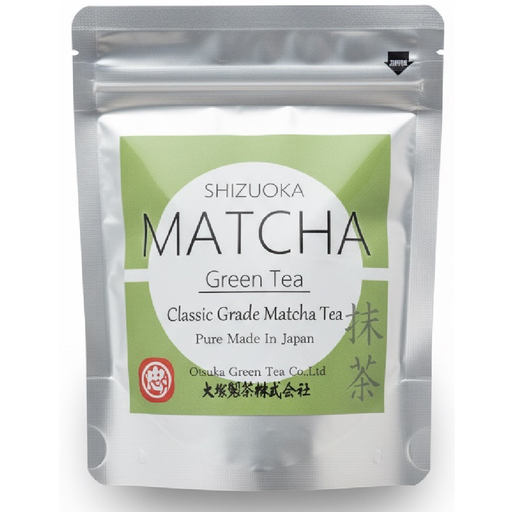
Why This Fits Their Persona: A 30g bag offers a manageable quantity for first-time users who want to try traditional preparation, lattes or simple recipes without committing to a large pack.
The listing identifies 100% green tea, Japanese origin and suggested water temperature, rather than relying only on a grade label.
Sourced from Shizuoka; suitable for traditional preparation and culinary use.
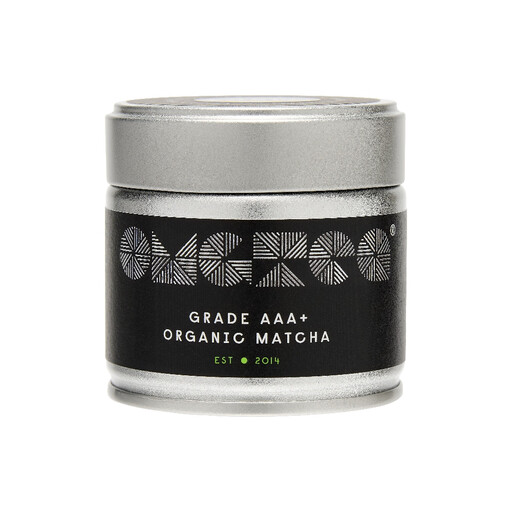
Why This Fits Their Persona: Suits shoppers looking for organic matcha with detailed preparation and storage guidance for drinking without added ingredients.
The listing states 100% organic matcha and gives a per-gram caffeine figure, allowing more informed portion planning.
Organic ingredient; 30g tin; guidance to sift and refrigerate after opening.
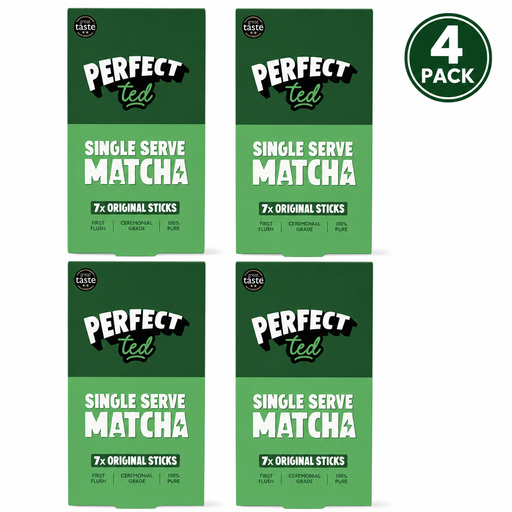
Why This Fits Their Persona: Individual portions are practical for office drawers, travel, packed lunches and anyone who prefers consistent measurements.
The 1.5g serving format avoids guessing how much powder to measure and helps limit exposure of the whole supply to air.
100% ceremonial grade matcha listed; 7 x 1.5g sachets per pack; made in the United Kingdom.
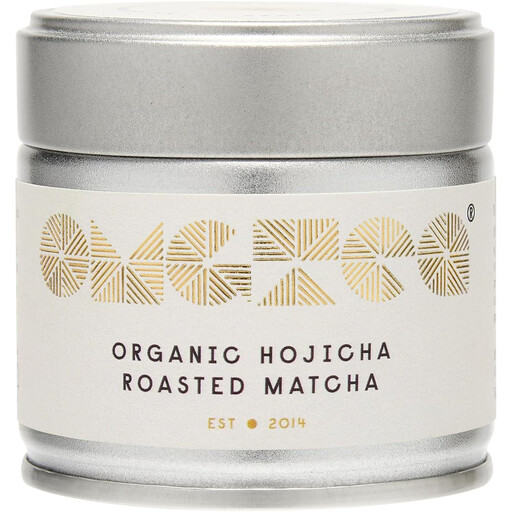
Why This Fits Their Persona: A roasted matcha-style powder suits shoppers who want nutty, toasted notes for lattes, smoothies, ice cream, baking and cooking.
The product is clearly described as roasted, so shoppers are less likely to expect the grassy profile of standard matcha green tea powder.
100% organic roasted matcha tea; listed caffeine content of approximately 15.7mg per 1g serving; suitable for vegan and gluten-free diets according to the listing.
We have compiled a complete, real-time list of products that fully satisfy these strict selection criteria and UK safety regulations.
For a traditional drink, sift around 1g of powder into a bowl, add a small amount of warm water and whisk until smooth before adding the remaining water. A handheld frother can be useful for lattes, although it may create a different texture from a bamboo whisk.
Keep opened matcha tightly sealed in a cool, dry place away from sunlight and strong odours. Refrigeration may be recommended for some organic matcha products. Allow a refrigerated container to reach room temperature before opening if condensation could form inside.
Usually, matcha costs more per gram because the whole powdered leaf is consumed and production involves specific processing. Cost per serving depends on the pack size and dose. Compare the stated net weight and recommended serving rather than the front-of-pack price alone.
There is no single lifespan for every product. Use the best-before information on the packaging and follow the storage instructions. For the freshest flavour, minimise air exposure, keep the lid firmly closed and avoid storing the powder near steam from a kettle or cooker.
Yes, but it may not be the most economical choice if other ingredients dominate the flavour. Delicate ceremonial grade matcha is suited to whisking and lattes, while culinary matcha or roasted matcha may be more practical for cakes, biscuits, smoothies and desserts. Always check whether the product is pure or already sweetened before adjusting your recipe.