Students comparing protein per portion
If you want crisps alongside a quick dinner, the protein declared for the bag you will eat matters more than a protein-related phrase on the front.


Choose dedicated protein crisps if the amount of protein in your crisp portion is the deciding factor: Applied Nutrition declares 15g per 50g bag, while Myprotein declares 11g per 25g pack. Tyrrells lentil crisps declare 3.9g per 30g serving; for dinner, treat any of these as an optional side and choose the main meal separately, in line with the NHS Eatwell Guide’s advice to include protein foods.
If you want crisps alongside a quick dinner, the protein declared for the bag you will eat matters more than a protein-related phrase on the front.
A lentil-based crisp may appeal if you want a change from potato crisps without expecting it to provide the same protein amount as a dedicated protein snack.
If salt, allergens or dietary suitability affect your choice, compare the exact flavour and portion rather than applying one product’s label to an entire range.
Decide what will form the dinner, then compare crisps by the portion you would eat. Pack sizes differ, so protein figures need their stated serving sizes alongside them.
| Priority | What to check | Your needs |
|---|---|---|
| Protein in the portion | Read protein per bag or serving and note its weight. Applied Nutrition declares 15g per 50g bag, Myprotein 11g per 25g pack and Tyrrells 3.9g per 30g lentil-crisp serving. | I want to know how much protein the crisp portion I would actually eat contributes, rather than choosing by its name alone. |
| The dinner itself | Choose the main meal separately from its crunchy side. The NHS Eatwell Guide includes beans, pulses, fish, eggs, meat and other protein foods among its food groups. | If this is dinner rather than a snack, I want another food to be the main part of the meal; crisps can add crunch if I fancy them. |
| Nutrition basis | Compare salt, fat and energy for the portion you plan to eat; use per 100g figures when comparing different pack sizes. Check traffic-light labelling where it appears. | A protein figure alone does not tell me what else is in the bag, especially when I am adding crisps to a meal. |
| Ingredients and allergens | Read the exact flavour’s ingredients, allergen statement and any may-contain wording. Do not extend a vegan or gluten-free statement from one product to another. | I need the particular pack I buy to fit my ingredient requirements, not just the brand or the type of crisp. |
| Budget comparison | Compare current shelf prices on the same weight basis, then consider the protein declared for the portion you would buy. Include the cost of the rest of dinner in your decision. | I want to judge what works for the whole meal, rather than assume that the bag with the most protein is the lowest-cost choice. |
Tyrrells declares 3.9g protein per 30g lentil-crisp serving, compared with 15g per 50g bag for Applied Nutrition Protein Chips. Both are crisp portions, not an entire dinner.
Choose the meal’s main food first, then decide whether you want crisps alongside it.
A figure for a 50g bag and one for a 25g pack describe different amounts of food. Looking at the protein number alone can obscure that difference.
Read protein per pack or serving for the amount you plan to eat, and use per 100g figures for a like-for-like weight comparison.
Protein does not describe a crisp’s salt, fat or energy content. GOV.UK explains that traffic-light labelling, where used, shows levels of fat, saturates, sugars and salt.
Check those figures on the exact pack as well as its protein declaration.
Tyrrells lists milk in its Sour Cream & Onion lentil crisps and says they may contain soya and gluten. An ingredient or suitability statement for another flavour cannot settle the question for this one.
Read the ingredient and allergen information on the flavour you are buying, including may-contain wording where relevant.
These examples describe particular products, not every crisp made by each brand. Their declared figures are useful only with the stated flavour and serving size.
Protein Chips are a dedicated protein-crisp option for someone comparing the declared protein in a bag.
Protein Crisps provide another stated protein amount in a smaller pack.
Its lentil crisps offer a lentil-based choice without being the same type of product as dedicated protein crisps.
Ready Salted is a conventional potato-crisp example to consider as a side rather than a protein-led choice.
Lightly Salted is a potato-crisp option with product-specific dietary statements.
Sea Salted is another conventional crisp side with dietary statements for that product.
Salted Flavour provides a conventional potato-crisp comparison on a per 100g basis.
Roast Ox is a flavoured potato-crisp example rather than a dedicated protein snack.
These Joybuy options include lentil cakes and chips, plus seaweed, vegetable and konjac snacks. They are different kinds of crunchy side, so compare their actual portion and label rather than treating them all as protein crisps.
 No image available
A lentil-cake option if you want a crunchy accompaniment rather than potato crisps. The pack is 100g; check its nutrition declaration for the portion you plan to eat.
 No image available
A seaweed snack in three 5g packs, rather than a potato or lentil crisp. Check the nutrition and allergen information for Bulgogi Flavour when deciding whether one pack suits your meal.
 No image available
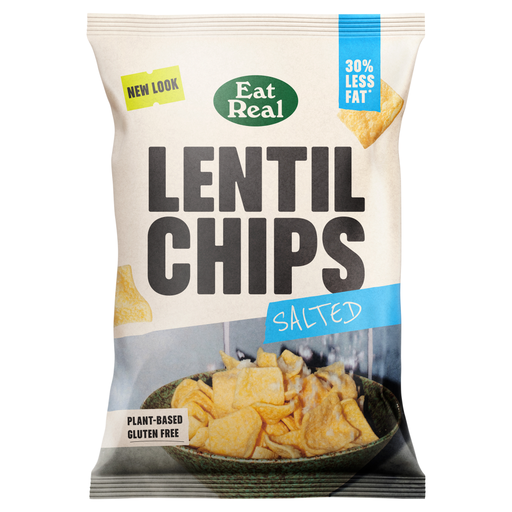
A 95g bag of sea-salt lentil chips for a crunchy side. Check the protein and salt figures for the amount you would serve, as well as the pack’s allergen statement.
 No image available
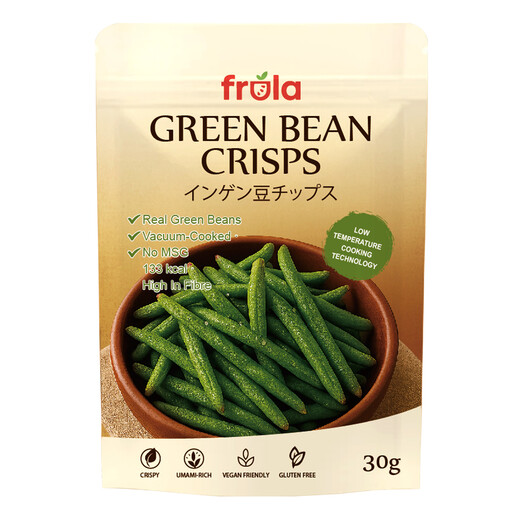
A 30g vegetable-crisp option if you want a small crunchy side. Compare its protein, sugars and other label figures with the alternatives rather than assuming that vegetable crisps are protein crisps.
 No image available
A spicy konjac snack supplied as 20 individual 18g packs. If protein is your reason for choosing crisps, check its per-pack declaration before treating it as an alternative to a protein-focused product.
Treat protein crisps as a snack or side, not the whole dinner. Applied Nutrition declares 15g protein per 50g bag and Myprotein 11g per 25g pack, while the NHS Eatwell Guide also advises including foods such as beans, pulses, fish, eggs and meat as part of eating across its food groups.
Compare protein for the portion you would eat, keeping its weight beside the figure. Applied Nutrition declares 15g per 50g bag, Myprotein 11g per 25g pack, Tyrrells 3.9g per 30g lentil-crisp serving, Walkers 1.6g per 25g Ready Salted pack and Seabrook 1.9g per 31.8g Sea Salted bag. Per 100g figures help when you want to compare equal weights.
Check salt, fat and energy as well as protein, using the portion you expect to eat. Where a pack has traffic-light labelling, GOV.UK says it shows whether fat, saturates, sugars and salt are at high, medium or low levels.
No: read the exact product and flavour label. Tyrrells says its Sour Cream & Onion lentil crisps contain milk and may contain soya and gluten; that information does not describe every lentil crisp or every Tyrrells flavour.
Compare current shelf prices per 100g, then check how much protein is declared for the portion you would actually eat. Consider the cost of the main meal separately, rather than assuming that the crisp with the largest protein figure is the lowest-cost dinner choice.