
24/7 全天候客户支持

免费退货

当日/次日达

品质保障

开启新人专享福利: 全场免邮 | 低至 2 折 | 免费试用 30 天 JoyPlus 会员
下载 Joybuy
Digestive health supplements cover a wide range of needs, from increasing fibre intake to supporting digestion after meals or managing occasional heartburn. The challenge is matching the ingredient and format to your actual goal rather than buying a product based on attractive packaging or broad wellness language.
Before choosing digestive support supplements, watch for three common pitfalls:
Different ingredients have different roles:
A capsule containing 500mg of psyllium is not equivalent to a 5g powder serving. Look at the recommended serving size, not only the amount per capsule. Products containing bulking fibre should be taken with plenty of water, as advised on the label.
For example, Solgar Psyllium Husks Fibre provides 1g of psyllium husk per two capsules and instructs users to take it with at least 8 ounces of liquid. Apple pectin products also require water and recommend starting with a smaller amount before gradually increasing.
Check whether the product is vegan, vegetarian, sugar-free, gluten-free or contains potential allergens. A vegan capsule does not automatically mean the complete formula suits every dietary requirement.
Also check:
Always use the current label supplied with the product. If symptoms are persistent, severe or changing, speak to a GP or pharmacist rather than repeatedly adding supplements.
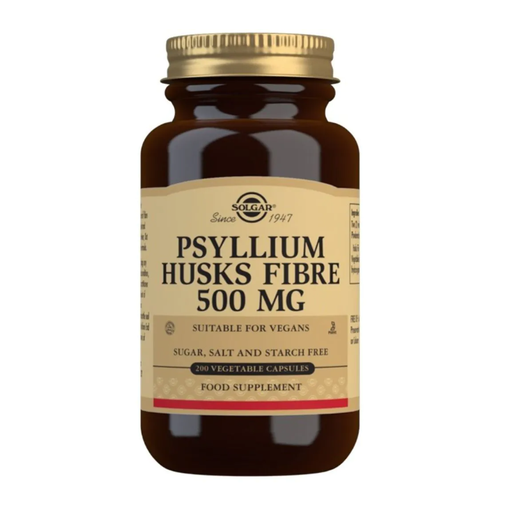
Why This Fits Their Persona: A straightforward capsule format suits UK shoppers who want to add psyllium fibre without preparing a powder.
The label clearly states the two-capsule serving and the required liquid intake, helping buyers avoid judging value by capsule count alone.
Provides 1g of psyllium husk per two capsules; vegan capsules and a 200-capsule pack.
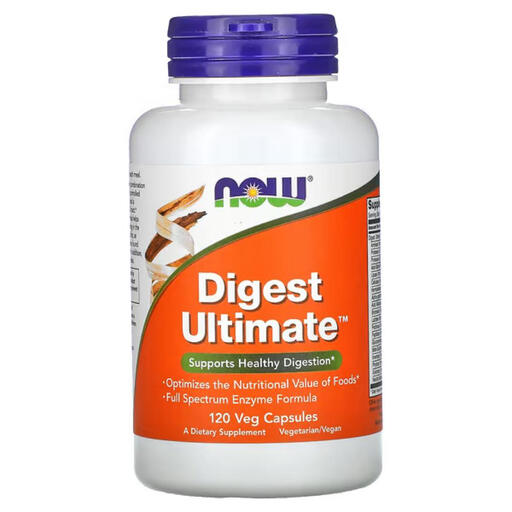
Why This Fits Their Persona: Suitable for adults looking for a broad enzyme blend to take with varied meals.
Rather than relying on a vague “enzyme” label, it lists amylase, protease, lipase, lactase and other enzymes with activity units.
One vegan capsule per meal; includes enzymes for proteins, carbohydrates, fats, dairy and plant fibres.
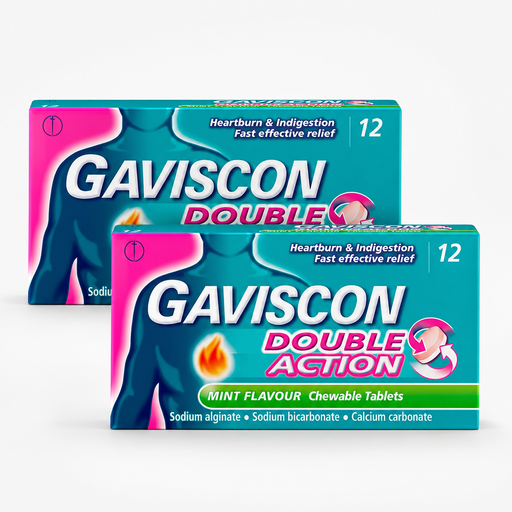
Why This Fits Their Persona: A chewable over-the-counter option for adults and children aged 12 and over seeking occasional heartburn or acid indigestion support.
It is clearly presented as an OTC medicine, with maximum daily doses and instructions to seek advice if symptoms persist or worsen.
Contains sodium alginate, sodium bicarbonate and calcium carbonate in a sugar-free, gluten-free chewable format.
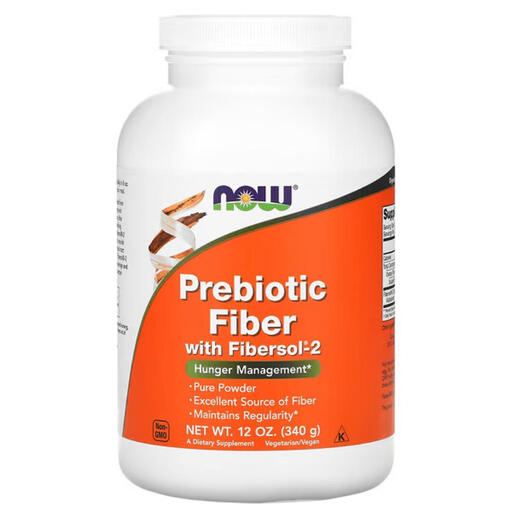
Why This Fits Their Persona: A practical choice for adults who prefer mixing vegan prebiotic fibre into water, porridge, yoghurt or smoothies.
The serving guidance recommends beginning with one teaspoon and increasing slowly, addressing the common problem of introducing too much inulin at once.
Contains organic inulin from blue agave; vegan, non-GMO, organic, kosher and halal suitable according to the product details.
We have compiled a complete, real-time list of products that fully satisfy these strict selection criteria and UK safety regulations.
Shelf life varies by format and serving size. A 200-capsule fibre product may provide a longer supply than a 60-capsule herbal product, but the recommended daily amount matters more than the pack count. Store supplements in a cool, dry place and check the best-before date and label after opening.
Fibre may affect the absorption of some medicines. Product instructions may recommend separating doses, while other supplements such as slippery elm, activated charcoal or zeolite also carry spacing warnings. Ask a pharmacist if you take regular prescription or over-the-counter medicines.
Choose the format you can use consistently and correctly. Tablets and capsules are portable, powders allow more flexible fibre servings and gummies may be easier to chew but can contain sweeteners or provide a smaller fibre quantity. Compare the active ingredient per serving, instructions and dietary suitability before purchasing.