
24/7 Customer Support

Free returns

Same-day & Next-day Delivery

Quality Guaranteed

Unlock Your Welcome Offers: FREE Delivery | Up to 80% OFF | Free 30-day JoyPlus trial
Download the APP
More people across the UK are swapping their traditional face flannels for single-use disposable face towels. The appeal is clear: a fresh, clean surface for every wash, potentially reducing the skin irritation and breakouts linked to bacteria build-up on damp, reusable cloths. However, the market is now flooded with options, and not all are created equal.
As a Joybuy Product Recommendation Officer, my role is to help you see past the marketing clutter. Before you buy, it's crucial to understand a few common pitfalls that can lead to wasted money and disappointing results.
To ensure you're getting a product that is both effective and suitable for your skin, focus on these core parameters instead of marketing slogans.
The material directly impacts softness, strength and suitability for your skin. Instead of generic "plant fibre" claims, look for specifics.
facial cleansing cloths as it holds up well when wet.sensitive skin face wipes.cotton pads alternative.For sensitive or acne-prone skin, a towel made from 100% plant-based fibres without synthetic blends is generally a safer starting point.
The physical design of a dry face wipe can significantly enhance its function. Many premium towels now feature a dual-sided design.
A well-constructed towel will be thick enough to not tear during use but soft enough not to cause abrasion.
To help you navigate the options, we've matched some products to common user needs, highlighting how they address the pitfalls mentioned earlier.
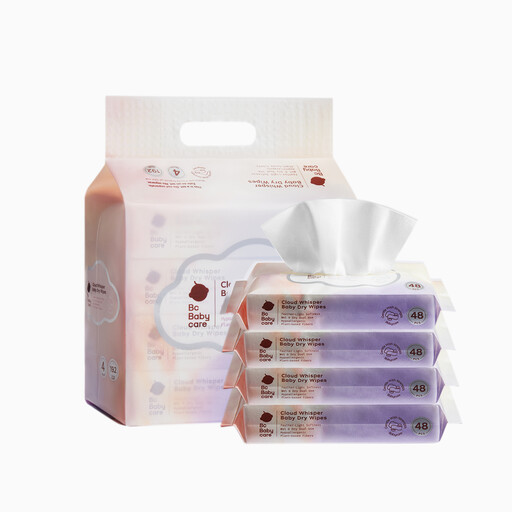
Why This Fits Their Persona: Designed for the most delicate skin, these wipes are suitable for everyone from newborns to adults with reactive skin. They are ideal for households seeking a single, gentle solution for all family members, including for use as baby face wipes.
It directly counters the "hidden additives" trap. The product is explicitly formulated to be hypoallergenic and free from alcohol, parabens and fragrance, providing peace of mind for sensitive users.
Made from a blend of Viscose and Lyocell plant-based fibres for exceptional softness and strength. Its wet-and-dry dual-use capability makes it highly versatile.
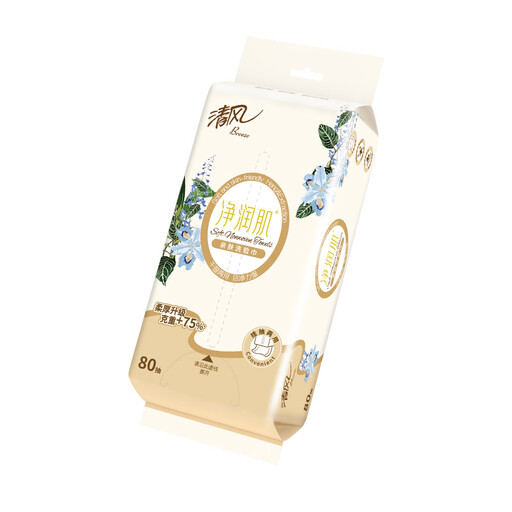
Why This Fits Their Persona: This is for the user who wants effective cleansing without compromising on their environmental values. They actively seek out eco-friendly face towels and appreciate transparency in materials.
It avoids the "greenwashing" pitfall by specifying its material as 100% Viscose Fibre from natural wood pulp. This specific claim is more verifiable than a vague "eco" label, and the material is known to be a biodegradable face cloth under the right conditions.
Features a dual-texture design with a 3D pearl embossed surface and a silky flat weave for versatile cleaning. It has also passed skin irritation tests, making it a reliable choice.
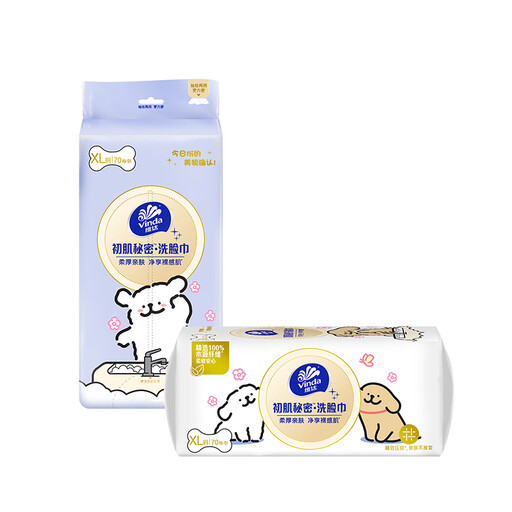
Why This Fits Their Persona: Perfect for someone who has fully integrated disposable towels into their daily skincare routine. Buying in a full case of six packs offers convenience and better value, ensuring they don't run out unexpectedly.
This product sidesteps the "durability deception." Its XL size and robust construction mean it won't shred or tear when used with water and cleansers, providing a reliable and effective clean every time.
The generous XL size offers excellent coverage for the face and neck. The bulk pack format is economical for heavy users and ensures a consistent supply is always on hand.
We have compiled a complete, real-time list of products that fully satisfy these strict selection criteria and UK safety regulations.
1. Can you flush disposable face towels? Generally, no. Unlike some specialist moist toilet tissues, most dry disposable face towels are not designed to break down quickly in plumbing systems. Unless the packaging explicitly states the product is "flushable" and certified as such, you should always dispose of them in a waste bin to avoid blockages.
2. Are disposable face towels better than a flannel for acne-prone skin? They can offer a distinct hygiene advantage. A traditional flannel, if not washed and dried properly after every single use, can become a breeding ground for bacteria. Using a fresh, clean towel for each wash eliminates the risk of reintroducing these microbes to your skin, which can be a helpful step in managing breakouts for some individuals.
3. How are dry face wipes different from makeup remover wipes? The main difference is that disposable face towels (or dry face wipes) are dry cloths. You use them with your own choice of water and cleanser. In contrast, makeup remover wipes come pre-moistened with a cleansing solution. Dry wipes give you complete control over the ingredients you apply to your skin and are more versatile—they can be used for cleansing, patting dry or even for household tasks.