
24/7 全天候客户支持

免费退货

当日/次日达

品质保障

开启新人专享福利: 全场免邮 | 低至 2 折 | 免费试用 30 天 JoyPlus 会员
下载 Joybuy
From a child’s first scribbles to a professional artist’s detailed sketch, the humble pencil is a fundamental tool. Yet, choosing the right one can be surprisingly complex. The market is filled with claims of "unbreakable" leads and "perfect" grips, leading many to purchase pencils that are uncomfortable, unsuitable for the task or simply a waste of money. As the Joybuy Product Recommendation Officer, my role is to help you navigate these choices with practical, objective advice.
This guide will break down the essential factors to consider when selecting drawing and writing pencils, helping you avoid common purchasing pitfalls and find the perfect tool for your needs, whether for school, the office or the art studio.
Before you add that pack of pencils to your basket, be aware of these frequent traps that catch out even savvy shoppers:
To make an informed choice, focus on these three non-negotiable specifications.
The letters and numbers on a pencil denote its lead grade, which determines the darkness and hardness of the line. The scale generally runs from 9H (very hard, light lines) to 9B (very soft, dark lines).
For general writing, an HB is reliable. For young children, a 2B is often recommended as it requires less pressure to make a dark mark. For artists, a graphite pencil set with a range of grades (e.g., 2B, 4B, 6B) is essential.
How a pencil feels in your hand directly impacts comfort and control, especially during long sessions.
The claim of a "break-resistant" lead is only as good as its construction. The most reliable feature to look for is a secural bonding process (SV), where the graphite lead is securely glued to the wood casing along its entire length. This significantly reduces the likelihood of the lead snapping inside the wood when the pencil is dropped or sharpened, ensuring you can use the entire pencil without frustration.
Based on these practical criteria, here are some recommendations matched to different user needs.
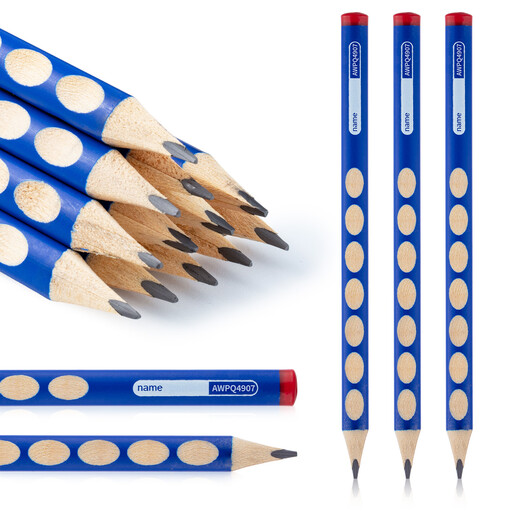
Why This Fits Their Persona: This cost-effective 12-pack is ideal for classroom or home use. The design is focused on helping children develop a proper writing grip, making it a practical choice for a foundational school pencil set.
It directly counters the "one-size-fits-all" ergonomics myth with a triangular barrel and grip holes designed specifically for young learners, promoting correct finger placement.
The combination of a triangular shape and integrated grip holes provides active guidance for hand posture. The standard HB lead is suitable for all school writing and drawing tasks.
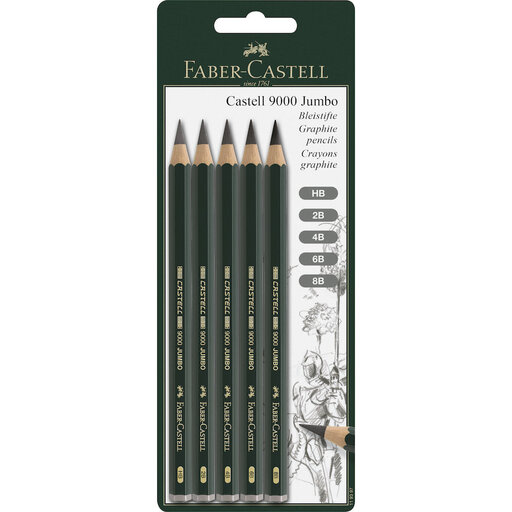
Why This Fits Their Persona: This set is an excellent entry point into professional artist pencils. It provides a versatile range of lead grades from a respected manufacturer, allowing for everything from initial sketches to deep shading.
It avoids the lead grade pitfall by offering a curated selection of hardnesses for artistic use. It also addresses the "break-resistant" hype with a verifiable feature: the lead is fully bonded with the wood surround.
The finely graduated degrees of hardness provide artistic versatility. The SV bonding process ensures exceptional break-resistance, making the pencils durable and reliable.
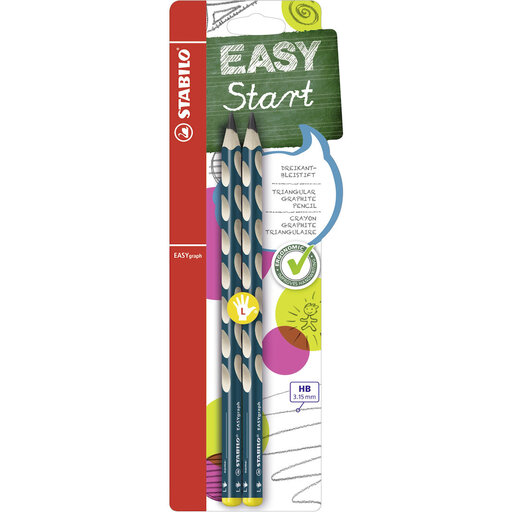
Why This Fits Their Persona: This pencil is designed for a specific and often overlooked group: left-handed writers. It is ideal for anyone who experiences hand strain with standard pencils and prioritises comfort during long writing or drawing sessions.
This is the ultimate answer to the "one-size-fits-all" ergonomics myth. It provides a purpose-built solution with moulded grip zones scientifically designed for left-handers to ensure a relaxed posture.
The non-slip grip moulds along the triangular shaft promote the correct pencil grip and reduce hand fatigue. The yellow colour coding at the end makes it easy to identify as a left-handed pencil.
We have compiled a complete, real-time list of products that fully satisfy these strict selection criteria and UK safety regulations.
1. What is the difference between HB, 2B, and 2H pencils? Think of it as a scale of hardness and darkness. HB is the neutral middle ground, perfect for everyday writing. 2B is softer and darker, making it great for sketching and for children as it requires less pressure. 2H is harder and produces a lighter line, which is preferred for technical drawings and drafting where smudging must be avoided.
2. How can I stop my pencil leads from breaking so often? While heavy pressure is a common cause, the pencil's quality plays a huge role. Look for pencils that specify a secural bonding (SV) or similar process where the lead is glued to the wood casing. This makes the entire structure much more robust and resistant to breaks, even when dropped. Also, use a sharp, quality sharpener to avoid splintering the wood and stressing the lead.
3. Are ergonomic pencils really better for children? Yes, for many children, they are. An ergonomic, triangular pencil encourages a proper tripod grip, which can reduce hand fatigue and help develop the fine motor skills needed for neat handwriting. Forcing a child to use a standard pencil that is too large or slippery can lead to frustration and poor writing habits.