
24/7 Customer Support

Free returns

Same-day & Next-day Delivery

Quality Guaranteed

Unlock Your Welcome Offers: FREE Delivery | Up to 80% OFF | Free 30-day JoyPlus trial
Download the APP
Dried pulses can be economical, versatile and easy to store, but choosing the right bag is not simply a matter of comparing prices. UK shoppers buying dried beans and lentils often encounter unclear naming, unsuitable pack sizes and cooking instructions that are easy to overlook.
The most common buying pitfalls include:
Whether you are preparing vegetarian meals, Asian store-cupboard staples, soups, porridge or desserts, the right variety and pack size make a noticeable difference.
Different pulses behave differently once cooked:
The term “red bean” should therefore be checked against the ingredient list and intended use rather than relying on colour alone.
For occasional cooking, 400g to 500g packs are convenient and reduce the risk of storing an opened bag for too long. They suit smaller households or shoppers trying a new variety.
If you cook pulses several times a week, a 1kg or 2kg pack may be more practical. For example, Laila Brown Lentils 2Kg is designed for everyday cooking and meal preparation. Larger packs can reduce packaging and the number of shopping trips, but only make sense if you have a cool, dry storage area and an airtight container.
For catering buyers and families, compare the price per kilogram, not just the shelf price. Also consider whether you will use the entire pack before its best-before date.
Sort through dried pulses before rinsing to remove any small stones or natural matter. Rinse thoroughly, then follow the pack instructions. Many beans benefit from soaking for four to eight hours or overnight, while lentils may need less preparation.
Cooking times vary. As a general guide, brown lentils may simmer for around 30–40 minutes, while mung beans can take approximately 30–45 minutes. Adzuki beans and other larger pulses may require longer cooking. Use fresh water after soaking and cook until the beans are soft and piping hot.
Do not consume dried beans raw or undercooked. Some varieties contain naturally occurring compounds that can cause discomfort when insufficiently cooked. When reheating, follow the product instructions and ensure the food is thoroughly hot.
Check the packaging for:
Nutrition tables can help comparison, but they describe the dry product per 100g, not necessarily the portion on your plate after cooking. Pulses commonly provide plant-based protein and fibre, while the exact values differ between varieties.
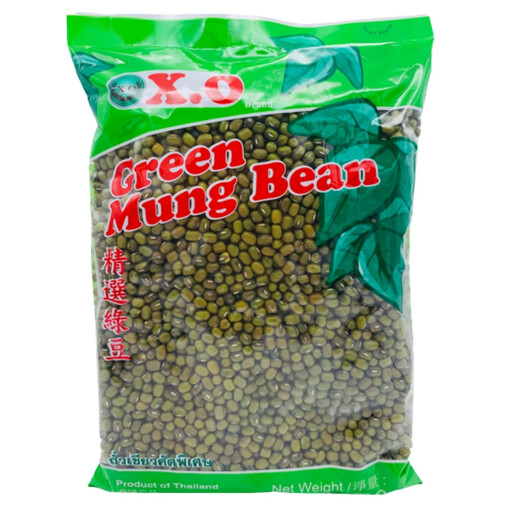
Why This Fits Their Persona: A manageable single pack for UK home cooks discovering mung beans, sweet soups, congee or simple rice dishes.
The 454g quantity avoids committing to bulk dried beans before you know how often you will use them. The listing gives soaking and cooking guidance.
Single ingredient; listed as gluten-free and suitable for sweet or savoury recipes.
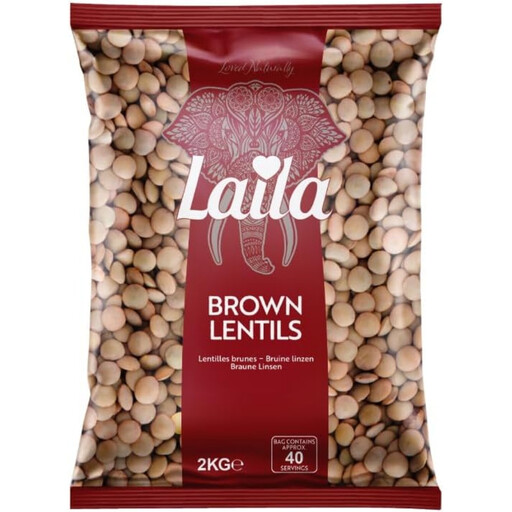
Why This Fits Their Persona: A substantial option for shoppers who regularly prepare dals, curries, soups and plant-based meals.
The clearly stated 2kg capacity makes it easier to compare value with smaller packs and plan repeated cooking without buying several bags.
Whole brown lentils; 100% lentils listed; nutrition panel states 25g protein per 100g dry product.
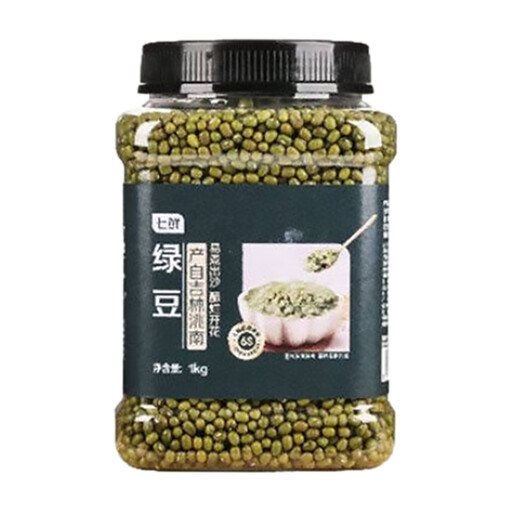
Why This Fits Their Persona: Suitable for meal preparers, families and cooks who use mung beans for soups, porridge, savoury dishes or sprouting.
The 1kg pack is more appropriate for frequent use than repeatedly buying small bags, while the listed instructions clearly state that cooking is required.
1kg net quantity; listed uses include mung bean soup, congee, sprouts and savoury recipes.
Transfer opened dried beans and lentils to an airtight container and keep them in a cool, dry place away from direct sunlight. Avoid storing them beside a kettle, sink or cooker where steam can introduce moisture. Label the container with the opening date and rotate older packs first.
If you buy several varieties for Chinese cooking ingredients or meal preparation, keep each one clearly labelled. This helps prevent adzuki beans being mistaken for kidney beans and makes it easier to follow the correct cooking method.
We have compiled a complete, real-time list of products that fully satisfy these strict selection criteria and UK safety regulations.
They can offer a lower cost per cooked portion, particularly in larger packs, but you need to include soaking, cooking time and energy use in your comparison. Lentils often require less preparation, while larger beans may need longer simmering.
When kept sealed in a cool, dry place, dried pulses can remain usable until the best-before date shown on the packaging. Quality may gradually change, so inspect them for moisture, insects or unusual odours before use.
No. Lentils often cook without soaking, although rinsing is still important. Larger beans commonly benefit from soaking for several hours or overnight. Always follow the instructions for the specific product, and cook every dried bean thoroughly before eating.